Written by: Salma El Sakka
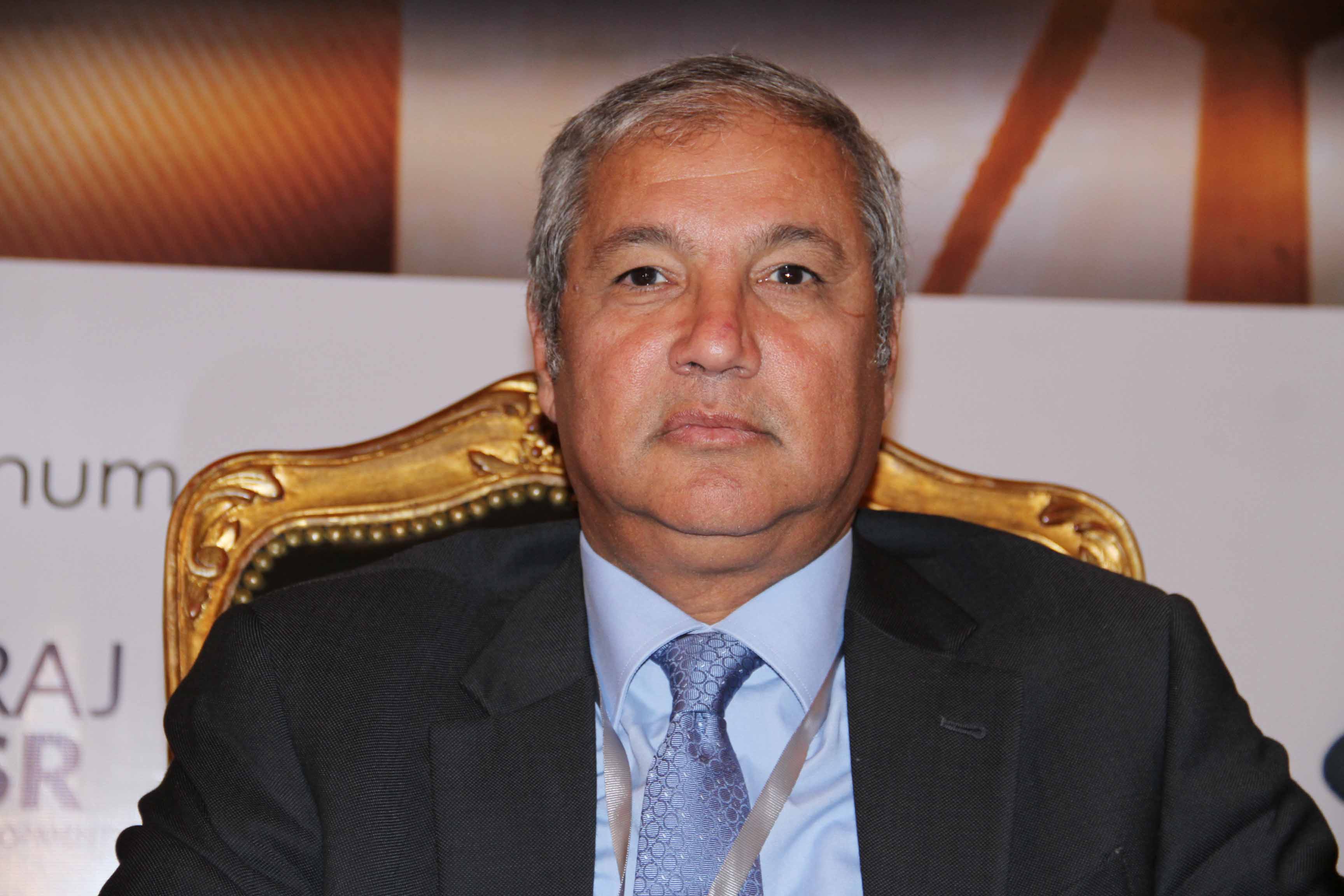
Engineer Mohamed Shuaib, former CEO of the Egyptian Natural Gas Holding Company "EGAS", emphasized the necessity of setting realistic goals for expanding new and renewable energy so that investors undertake the financing and implementation of projects without the state bearing the burden of investments or operating costs, suggesting the benefit of the production sharing model used in the petroleum sector and applying it to renewable energy projects.
Production Sharing Model from Petroleum to Renewable Energy
Shuaib explained that the production sharing system in the petroleum sector is based on offering investment areas that include exploratory risks, after which the investor undertakes the study of the area and bears all necessary expenses for seismic survey, exploration, and production until a commercial discovery is made. After establishing a production company, they begin to recover the expenses incurred according to the contract terms and the agreed-upon sharing percentages. He noted that applying this model to new and renewable energy projects would be more suitable due to the absence of risks similar to the exploratory risks in the petroleum sector; the sun is available throughout the year, as is the wind, which allows offering vast areas to investors to implement projects.
10,000 Square Kilometers Suffice Egypt Fourfold
Shuaib proposed a vision for allocating 10,000 square kilometers and dividing them into 10 areas, each with an area of one thousand square kilometers, explaining that these areas could produce about one thousand terawatt-hours of electricity, which is a quantity that suffices Egypt's needs four times over according to his estimate.
Exporting the Surplus to Europe for Dollar Returns
He indicated that the goal is not only to produce these quantities to meet local consumption, but also to benefit from the surplus by exporting electricity until the local grid is able to fully absorb the production and is developed, noting the rise in electricity prices in Europe, as the price in Germany is about 36 Euro cents, while the price in Europe in general is not less than 17 cents. He suggested that export projects be carried out in partnership with investors, with agreement from the beginning on each party's share of electricity and returns, emphasizing that the clarity of solar energy production volume allows for determining the rights of the parties, whether through exporting electricity and sharing the return or exporting each party's share in a manner that achieves revenues in dollars that can be used to provide the state's needs.
Reducing Grid Losses by Utilizing International Expertise
Shuaib moved to the issue of electricity loss in the grid, pointing to the possibility of seeking assistance from specialized investors and companies to develop it without burdening the state with the cost of investments, provided that the company recovers its money from the savings resulting from reducing losses by calculating the difference between current loss levels and the levels that can be reached after development. He cited the Chinese experience, explaining that China consumes one-third of the electricity produced in the world, yet the loss rate in its grid is about 3%, considering that benefiting from the expertise of specialized companies in grid development can help Egypt reduce losses and improve the efficiency of electricity use.