Written by: Fatma Younis
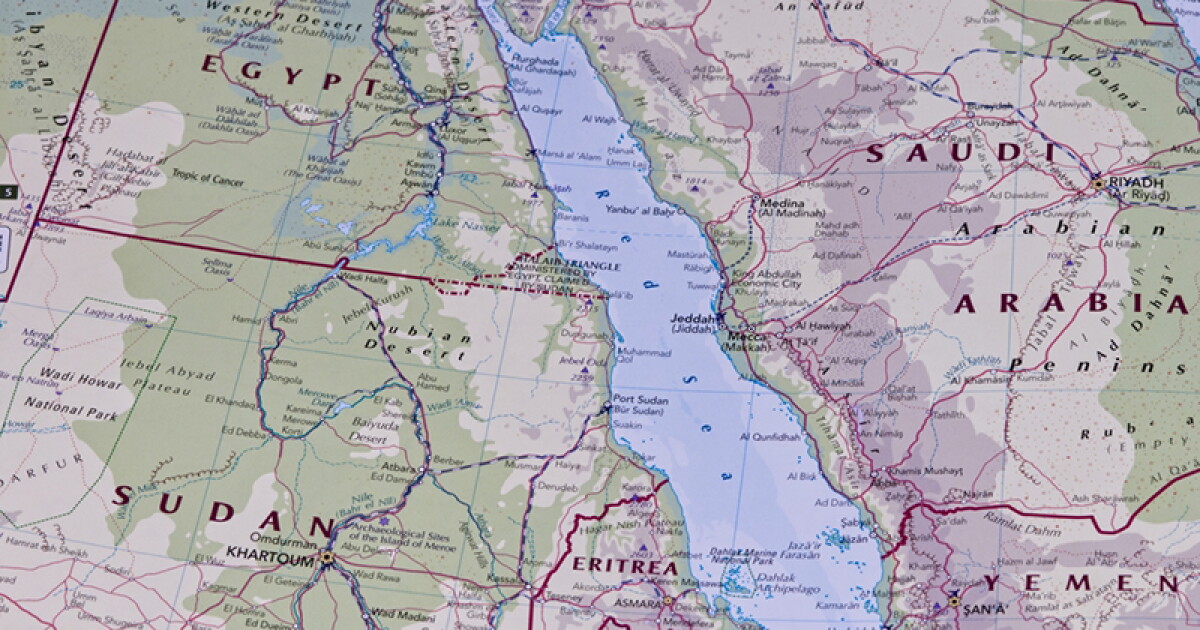
The crises striking the Strait of Hormuz and Bab al-Mandab, the most prominent chokepoints in the Middle East, have reaffirmed Egypt's strategic importance as a vital alternative corridor for regional oil exports.
Crises enhance strategic importance
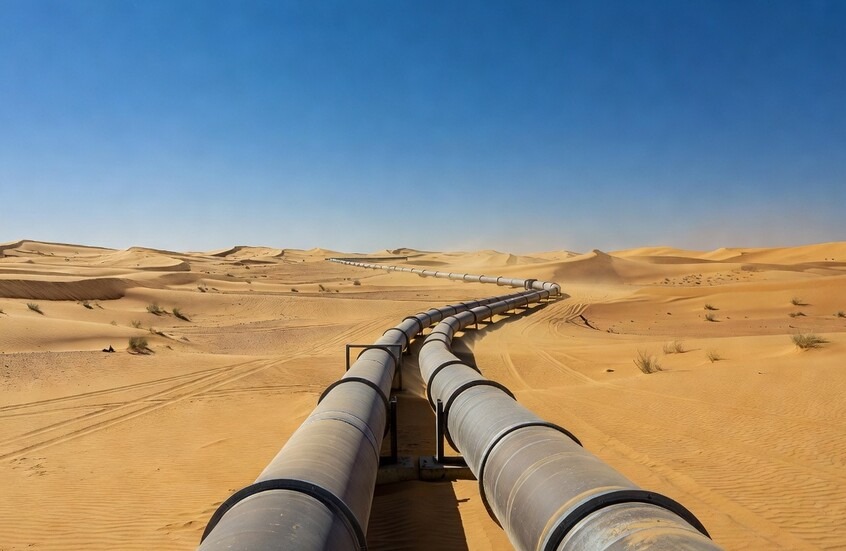
Tensions in the two straits have led national oil companies in the Middle East to turn toward alternative export routes via the SUMED pipeline and the Suez Canal, providing Cairo with an opportunity to support its fragile economy and strengthen its position as an indispensable energy corridor.
Economic opportunities via export alternatives
The Egyptian economy benefits from the flow of revenues associated with transporting crude through its territory and territorial waters, at a time when regional countries are seeking to ensure the continuity of their supplies to global markets away from the turbulent straits.
Risks of involvement in Red Sea security
Cairo realizes it is walking a tightrope; expanding its security role in the Red Sea could involve it in complex regional conflicts, threatening its internal stability and strategic interests.
Egypt as an emerging gas hub on the Mediterranean
Egypt's position as a vital energy corridor and an emerging gas hub in the Mediterranean is at stake, making its upcoming choices crucial in balancing economic returns with geopolitical risks.