Written by: Fatima Younes
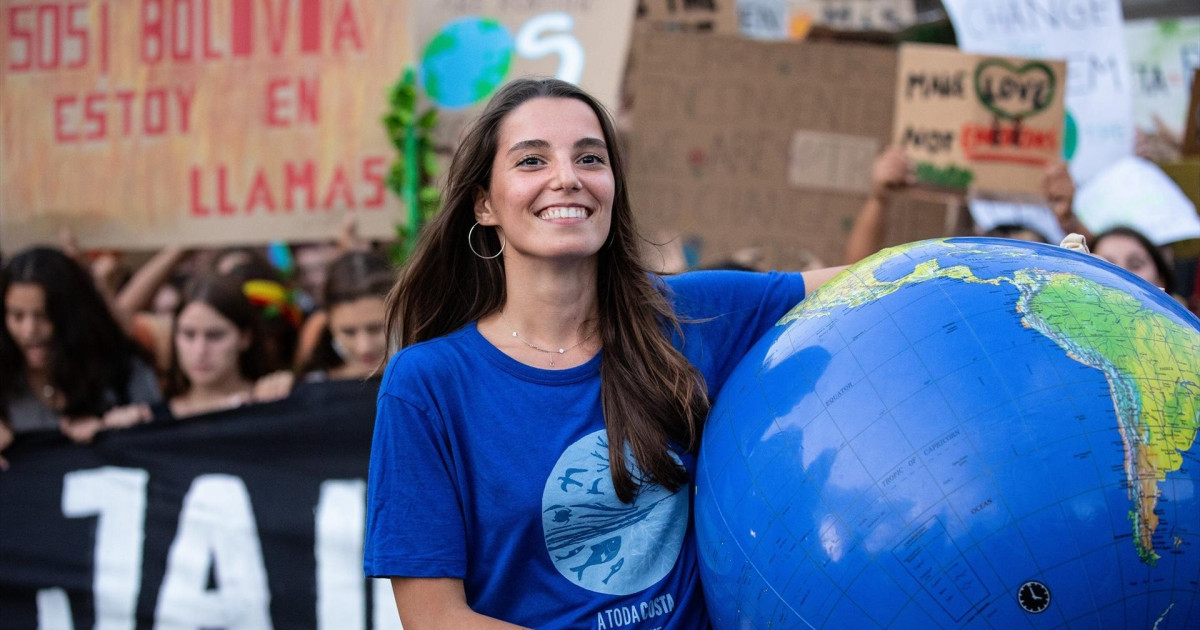
The United Nations Climate Change Conference (COP31) begins tomorrow, Monday, in the Turkish city of Antalya, running until November 20, with the participation of 85 global leaders and approximately 300 ministers, amid escalating scientific warnings and modest expectations regarding achieving major breakthroughs.
Wide International Representation and Notable Absences
Leading the attendance are Turkish President Recep Tayyip Erdoğan, Brazilian President Lula da Silva, and United Nations Secretary-General António Guterres. European Commission President Ursula von der Leyen will participate in the opening session, while Climate Commissioner Wopke Hoekstra leads the European negotiations alongside the Irish Presidency of the Council of the European Union.
Spain is represented by the Third Vice President and Minister of Environmental Transition, Sara Agüésen, while Prime Minister Pedro Sánchez is absent according to government sources. Major European countries such as France, Italy, Germany, Belgium, Greece, and Portugal are witnessing internal protests related to the rising cost of living and educational conditions, which has affected the level of representation.
European Priorities and Targeted Financing
The European Union is pushing for the acceleration of the phase-out of fossil fuels, the enhancement of renewable energies, and the expansion of electrification, while demanding the submission of pending national climate plans. European sources acknowledge the difficulty of achieving a "revolution" in climate action given the current international context.
Hoekstra seeks to make Antalya the "COP of Implementation," focusing on the commitments agreed upon in Dubai regarding renewable energies, energy efficiency, and fossil fuels. Regarding financing, the bloc adheres to the goal of mobilizing $300 billion annually by 2035, as agreed in Baku, without assuming new obligations, and supports reaching 35% electrification by 2035.
Environmental Demands and Urgent Scientific Warnings
Greenpeace is calling for a "roadmap" to phase out fossil fuels, the application of the "polluter pays" principle, and an increase in climate grants. "Ecologists in Action" calls for tripling public adaptation finance and establishing effective mechanisms for a just transition.
Experts warn of worsening global warming, with record ocean temperatures and historic concentrations of polluting gases being recorded. Sandeep Sengupta, Global Climate Policy Officer at the International Union for Conservation of Nature (IUCN), confirmed that 96% of coral reefs in warm waters face a critical risk, calling on the Antalya negotiators to show greater ambition and concrete actions in emission reduction, adaptation, financing, and nature protection.
Professor Yessica Córdoba Zabala believes that the priority lies in implementing 59 adaptation indicators, improving financing, and developing a just transition, while expecting difficult negotiations.