Written by: Salma Al-Saqqa
Hassan Bakheet, former Undersecretary of the Ministry of Petroleum and Mineral Resources, affirmed that the mining opportunity in Egypt does not stop at the limits of extracting gold and ores, but extends to building a regional hub for processing, manufacturing, and exporting minerals, which opens new markets for local industry and reduces dependence on imports.
Geographical and Industrial Qualities Qualifying Egypt for a Regional Role
Bakheet explained that Egypt possesses geographical, geological, and industrial qualities that qualify it to perform this role, emphasizing that achieving this requires restructuring the mining sector, developing investment legislation, and transitioning from exporting ores in their primary form to maximizing added value.
He pointed out that raising the mining contribution to the GDP to 6%, compared to 1% currently, is contingent upon institutional reforms that include the separation between regulatory activities and licensing, geological surveying and ore exploration, and productive activity. He also suggested studying the establishment of an independent Ministry of Mining to set an integrated strategy for developing mineral resources, noting that the multiplicity of files managed by the Ministry of Petroleum and Mineral Resources may not allow for sufficient focus on mining activity.
Specialized Industrial Clusters Near the Gulf of Suez
Bakheet said that Egypt's geographical location gives it a competitive advantage in importing ores and technology from various markets, and in establishing specialized industrial clusters near the Gulf of Suez for processing and manufacturing minerals before exporting final products. He added that the availability of labor at a competitive cost, and the possibility of increasing its productivity through training, as well as the presence of some raw materials locally, represent supporting elements to attract foreign investments.
He stressed that the success of these clusters requires attracting international companies that possess technology, administrative expertise, and marketing networks, to ensure the transfer of technical knowledge and provide channels for marketing Egyptian products. He explained that attracting these investments is linked to simplifying procedures and accelerating the issuance of approvals and licenses, alongside the clarity of financial and regulatory obligations.
Four Pillars to Transform Geological Potential into Economic Return
Bakheet identified four main pillars, foremost of which is developing legislation in line with the nature of mining activity and its technical and financial risks, especially in desert areas that lack infrastructure. He added that investors need incentives to compensate them for the costs of constructing roads and providing electricity, water, and logistical services, in addition to building accurate and transparent geological and mining databases.
He pointed to the importance of qualifying human cadres through the establishment of specialized training institutes and vocational schools in cooperation with international expertise, as well as linking exploration, extraction, and manufacturing plans to local and global market studies.
The Open Sector System.. A Positive Shift Requiring Gradual Implementation
He described the open sector system as a positive shift in the mining investment system, but it needs a gradual and studied implementation that begins with specific areas where infrastructure is available, instead of offering vast areas without ensuring their readiness. He explained that the system grants companies greater flexibility in managing concession areas and calculating costs and returns, compared to the previous participation system.
He added that the system is based on collecting a royalty from production amounting to 5%, and taxes on profits ranging between 25% and 30%, in addition to free shares for the state, which allows the investor to determine their financial obligations in advance and evaluate economic feasibility.
Promising Ores: Limestone, Marble, Iron, and Copper
Bakheet pointed out that high-purity limestone in the Samalout area in Minya, known as "white gold," represents one of the most prominent mining opportunities, due to its high level of purity and its entry into more than 35 industries, including food and pharmaceutical industries. He explained that expanding the manufacturing of limestone during the next five years instead of exporting it as raw material could achieve high returns.
He added that marble and granite represent promising opportunities provided that licensing procedures are facilitated and bureaucracy is reduced. He noted that utilizing iron and copper ores locally provides opportunities to reduce the import bill, which is estimated at about 4 billion dollars annually for iron and more than 1 billion dollars for copper, in addition to cement, kaolin, feldspar, and glass sand ores.
Empowering Egyptian Companies in Africa and Arab-African Cooperation
Bakheet demanded empowering qualified Egyptian companies to expand mining investments in Africa, contributing to securing the needs of local industry for strategic raw materials, especially iron, copper, and bauxite necessary for the aluminum complex in Nag Hammadi. He explained that investing in the African continent can reduce dependence on imports and enhance supply chain security.
He pointed to the importance of enhancing mining cooperation between Arab and African countries, especially in border areas that share geological extensions, noting opportunities for integration between Egypt, Saudi Arabia, and Sudan within the Red Sea scope, and the possibility of reviving cooperation with Libya. He added that developing land transport and railway networks represents an important factor, noting the possibility of studying the establishment of railway lines linking Egypt to North African countries reaching to Mauritania.
Gold: A Target of 100 Tons Annually and a Local Refinery Project
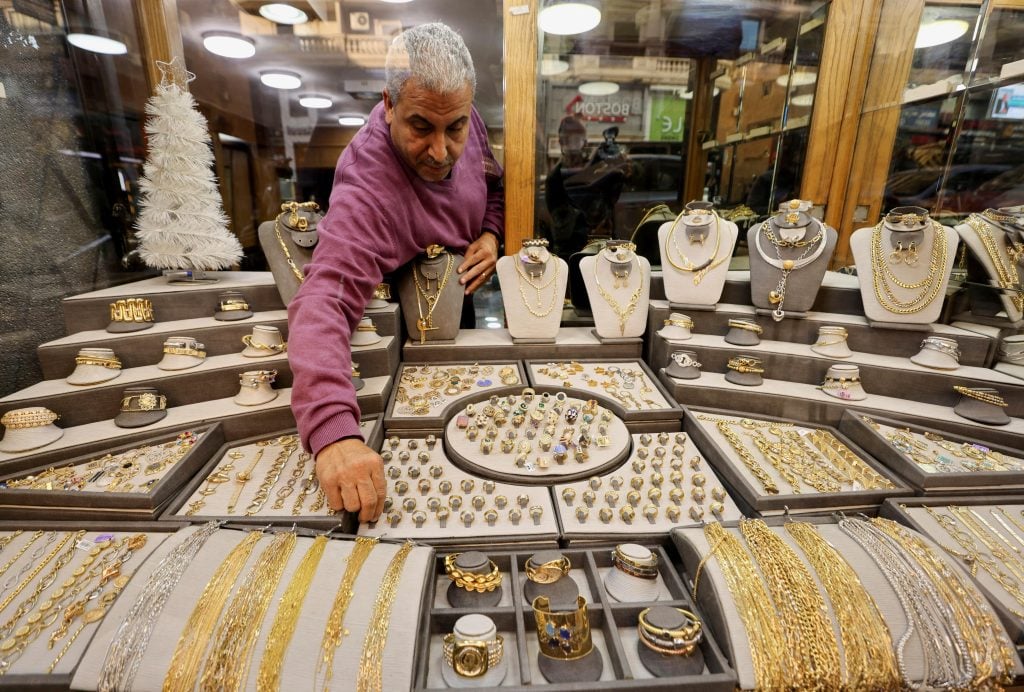
Bakheet said that Egypt is capable of increasing its gold production to 100 tons annually, through expanding large, medium, and small-scale mining activities, and accelerating exploration and production works, alongside legalizing traditional mining activities. He explained that Egypt's production amounts to about 17 tons annually, with the Sukari mine accounting for 12 tons of it, while 5 tons come from small-scale mining activities, suggesting that the actual production for this activity is greater than the announced figures.
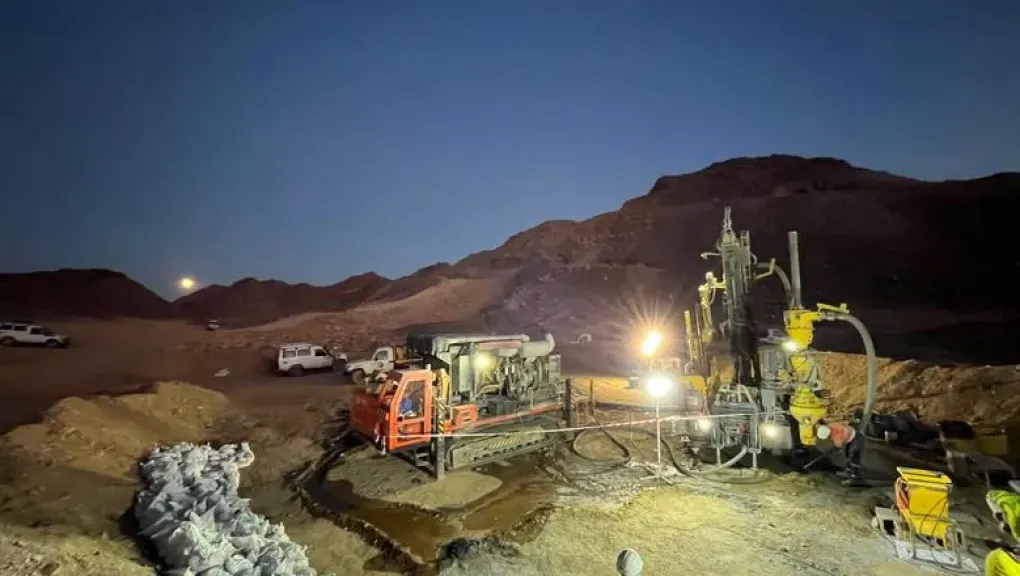
He added that small and medium-scale mining could contribute 60% of total gold production, compared to 40% for large-scale mining, if appropriate regulation, supervision, and incentive mechanisms are available. He noted that reaching the announced target for gold production by 2030, amounting to 800,000 ounces annually, requires accelerating the transition of companies holding exploration licenses to the stage of announcing commercial discoveries and starting production.
He noted that legalizing traditional mining achieves three main goals: integrating the activity into the formal economy and maximizing state rights from royalties and taxes, reducing pollution resulting from the uncontrolled use of chemicals, as well as preserving promising sites for major mining investments.
Gold Refinery.. International Accreditation is a Fundamental Condition for Success
Regarding the project to establish a gold refinery in Egypt, Bakheet said that it represents an opportunity to enhance the country's position in regional and African gold trade, by attracting production from African and Arab countries to purify and refine locally instead of sending it to external refining centers. He explained that the presence of a local refinery reduces the burdens associated with transporting gold abroad, including shipping, insurance, and transport procedures.
He pointed out that achieving the economic feasibility of the project requires securing regular quantities of no less than 100 tons annually from local and African production to ensure operational sustainability. He emphasized that the main challenge lies in obtaining international accreditation and recognition for the refinery and its outputs, which requires commitment to technical and regulatory standards that ensure the quality, purity, and acceptance of gold in global markets, noting that the Central Bank of Egypt and the African Export-Import Bank signed a memorandum of understanding in December 2025 to establish a specialized gold bank at the African continent level.