Written by: Islam El-Saqqa
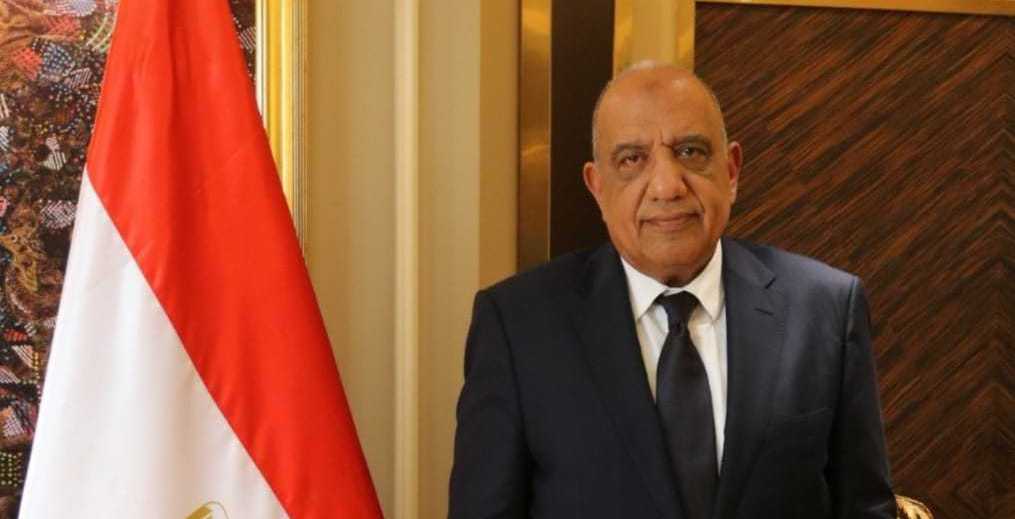
The Minister of Electricity and Renewable Energy reviewed the course of development and modernization in the electricity sector since 2014, during a session of the Egypt 2026 Forum, emphasizing that the state has given special attention to this sector within the framework of an ambitious vision to achieve sustainable development and consider energy a matter of national security.
Total investments directed toward electricity production, transmission, and distribution reached approximately 5 trillion pounds, including thermal and renewable generation projects, the Dabaa nuclear power plant, and the development of transmission and distribution networks, alongside continuous efforts to localize the manufacturing of electrical equipment and increase the local component percentage in projects.
Expanding Renewable Energy Projects
Installed nominal capacities on the national grid reached 64.4 gigawatts, while renewable energy capacities reached approximately 10.5 gigawatts, alongside energy storage batteries, raising the contribution of clean energy and storage batteries to about 18% of the energy mix.
The national strategy aims to raise the contribution of renewable energy to 45% by 2028, through the expansion of solar and wind energy projects, and allocating vast areas for the establishment of these projects in cooperation with the private sector.
Rationalizing Fuel Consumption and Regional Interconnection
Measures to raise operational efficiency and reduce fuel consumption rates have resulted in saving massive quantities of natural gas with significant economic value, while efficiently handling high loads and ensuring the stability of electricity supply without returning to load shedding.
Regional electricity interconnection projects, including the interconnection with the Kingdom of Saudi Arabia and neighboring countries, have strengthened Egypt's position as a pivotal regional hub for energy exchange and supporting electricity security and sustainability at the regional level.