Written by: Basant El-Farmawi
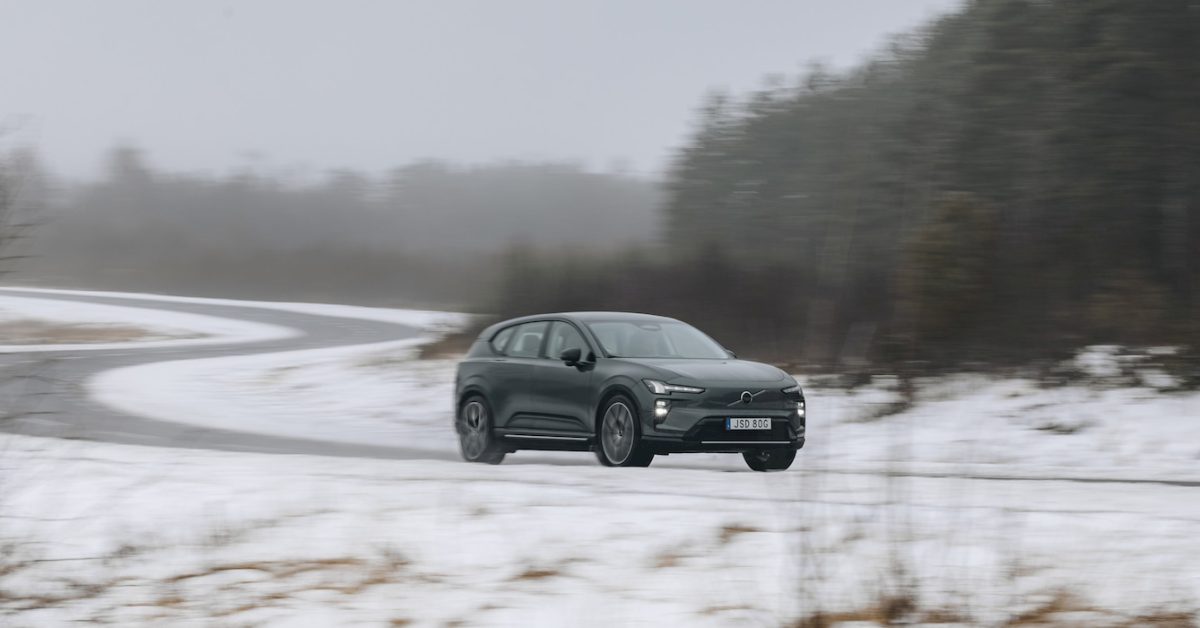
Volvo expects the new EX60 model to become one of its best-selling cars ever, having recorded over 50,000 orders in the European market since production began last April. However, the company faces significant challenges in ramping up production to meet the increasing demand.
Technological challenges hinder manufacturing operations
The company explained that the process of increasing production levels is taking longer than planned, due to the adoption of new industrial technologies, including the cell-to-body battery design and manufacturing changes associated with the new SPA3 platform. Due to these factors, the company has only been able to manufacture about 5,000 units so far, despite the huge volume of orders.
Transformation plan and financial implications
Håkan Samuelsson, CEO of Volvo, confirmed that the EX60 model will represent the cornerstone of the company's recovery plan as one of its most profitable models, but noted that financial returns will not be tangibly realized until production volume increases. In the context of the restructuring plan, the company is seeking to lower its break-even point and improve cash flow, which coincides with the cutting of about 2,500 jobs globally.
Global market forecasts and financial situation
Volvo is facing financial pressure, having recorded a loss of 3.7 billion Swedish kronor in the third quarter, with a decline in the operating profit margin. While the company had hoped to sell about 7,000 units of the EX60 in the United States by the end of 2026, current data indicate the possibility of delivery delays for customers there in the short term, with expectations of a significant improvement in availability in early 2027.
Volvo is betting on the SPA3 platform to reduce production costs and boost profit margins, and plans to launch 13 new cars by the end of 2030 as part of its major expansion strategy in the electric vehicle market.