Written by: Fatma Younis
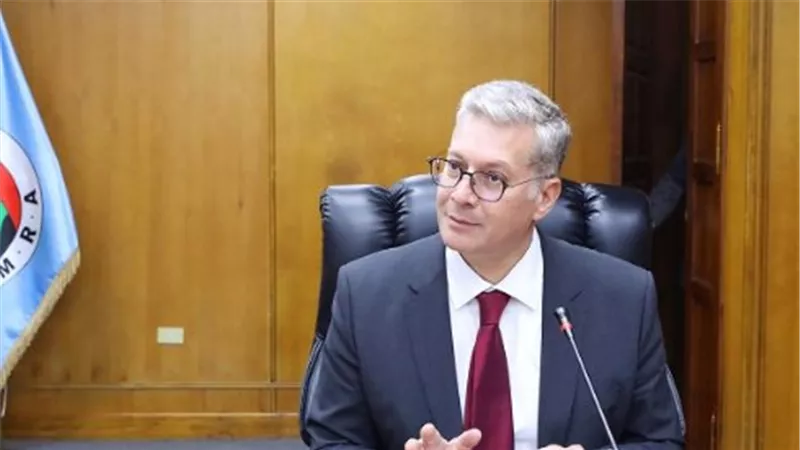
Eng. Karim Badawi, Minister of Petroleum and Mineral Resources, held an expanded meeting with ministry leaders and heads of authorities and holding companies to review mechanisms for updating and developing the succession planning system within the petroleum sector. This step aims to expand the selection base for leadership positions and activate the principles of equal opportunity and merit in job occupancy.
Expanding the Selection Base for Leadership Positions
The new mechanism relies on an institutional approach that engages leaders at various organizational levels, from company presidents to senior management, in the process of nominating distinguished personnel. This approach includes submitting three qualified nominations for each job position, ensuring multiple alternatives and enhancing opportunities for objective comparison based on precise technical and administrative criteria, including performance evaluation and the ability to achieve targeted results.
Pillars of Building a Talent Base
The system's philosophy extends beyond merely filling leadership vacancies, as it focuses on building an integrated talent base through three main pillars: first, accurately measuring professional achievement; second, creating a "Talent Bank" that allows for the identification of outstanding personnel in various specializations; and third, continuous investment in qualification and training. This is done in direct coordination with talent management units at the Ministry of Petroleum, authorities, and holding companies to ensure refining employees' skills and preparing them to take on greater responsibilities in the future.
Strengthening Institutional Culture
This system confirms a clear message to employees in the petroleum sector that merit and achievement are the primary standard for professional advancement. Through these efforts, the Ministry seeks to establish an institutional culture based on justice and maximizing the use of accumulated experience, while opening clear paths for professional development for promising generations. These steps aim to ensure the sustainability of institutional performance and enhance the ability of the Egyptian petroleum sector to face future challenges by relying on qualified national leaders.