Written by: Salma El-Sakka
Global LNG trade is witnessing notable shifts as Canada seeks to enhance its presence in Asian markets, capitalizing on the development of new infrastructure projects on the West Coast. This trend highlights investor interest in energy companies with direct ties to export operations toward Asia, amid anticipation of its impact on cash flows and potential investment opportunities in the North American energy sector.
Pembina Pipeline Corporation and Its Role in Transportation and Export
Pembina Pipeline plays a pivotal role as a midstream infrastructure operator in Canada, handling the transportation and processing of natural gas and liquids to support export projects directed toward the Pacific Coast. The company relies on long-term contracts and fixed fees tied to premium Asian market prices, which contributes to diversifying income sources and enhancing profit margins away from domestic markets alone, alongside factors related to project execution and timing that affect the trajectory of future returns.
Flex LNG Fleet and Maritime Shipping Activity
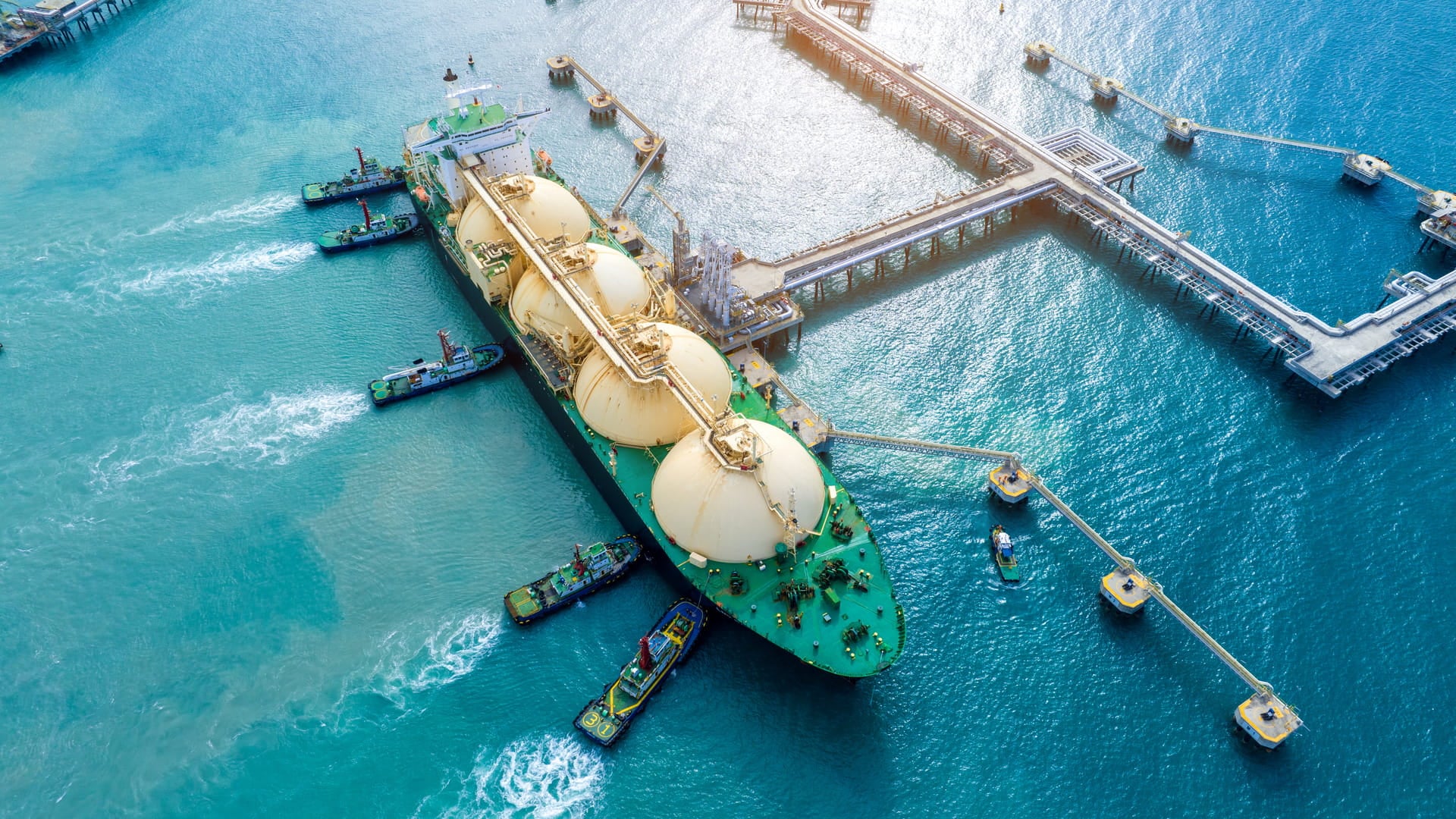
The North American-to-Asia LNG supply chain relies on modern maritime transport fleets, and Flex LNG plays a prominent role in this sector by globally operating a fleet of LNG carriers. The notable rise in global export capacity utilization levels and the growth of long-distance maritime shipping traffic contribute to supporting the company's revenue levels and operational charter contracts, amid continuous monitoring of supply and demand balances in maritime transport markets.
Rockpoint Gas Storage Facilities
Rockpoint Gas Storage provides indirect exposure to Canada's LNG infrastructure expansion efforts through storage facilities that help utilities and operators manage supply fluctuations directed toward export terminals. These activities contribute to stabilizing flows toward Asian markets, relying on a financial structure that balances growth opportunities with potential financing challenges in the energy sector.


