By: Fatima Younis
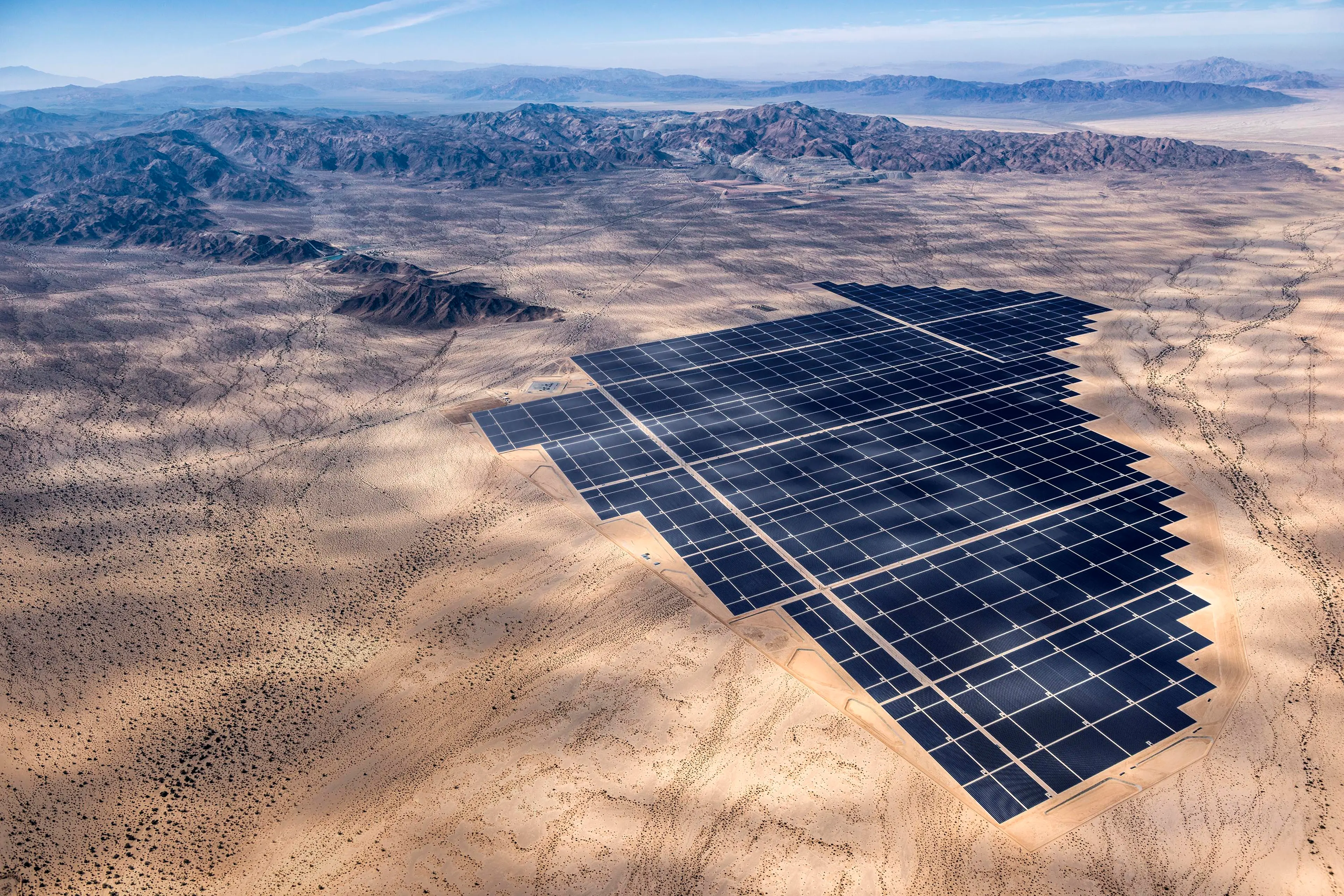
The solar energy sectors in Rajasthan are facing increasing challenges as a result of decisions to curtail electricity production to suit the conditions of the electrical grid, casting a shadow over corporate investments and future profits. Despite the rapid growth in solar power generation capacities, which have reached about 18,000 megawatts, the imposition of restrictions on a large portion of these capacities raises questions about the viability of investment projects and the infrastructure's ability to absorb the surplus.
The Impact of Production Curtailment on Companies and Investors
Reducing production by specific percentages has a direct impact on the financial returns of solar energy projects, as land, equipment, maintenance, and loan repayment costs continue regardless of the volume of electricity actually produced. Actual losses depend on the duration of these restrictions and the terms of the signed power purchase agreements. Furthermore, repeated curtailment operations may prompt investors and banks to reassess the viability of new projects and the extent to which the produced electricity reaches distribution networks.
Balancing Peak Production and Evening Demand
One of the most prominent problems is the contradiction between abundant production during daylight hours due to sunshine and low local consumption at the same times, versus a sharp increase in demand after sunset. Due to the lack of sufficient storage capacities, the grid is subjected to pressures that necessitate production curtailment, preventing the maximum utilization of available generation capacities and making reliance on traditional sources imperative to cover evening needs.
The Urgent Need for Storage Systems and Alternative Solutions
Battery energy storage systems are considered a crucial element to address this challenge by retaining surplus daytime electricity for use during peak times, in addition to developing electricity transmission grids and enhancing smart grid management. Proposals are also being raised to direct a portion of the surplus production to operate agricultural pumps during daytime as a partial solution to utilize the energy, amidst confirmations that infrastructure and storage development remains the most prominent key to avoiding future curtailment crises.