Written by: Fatima Younes
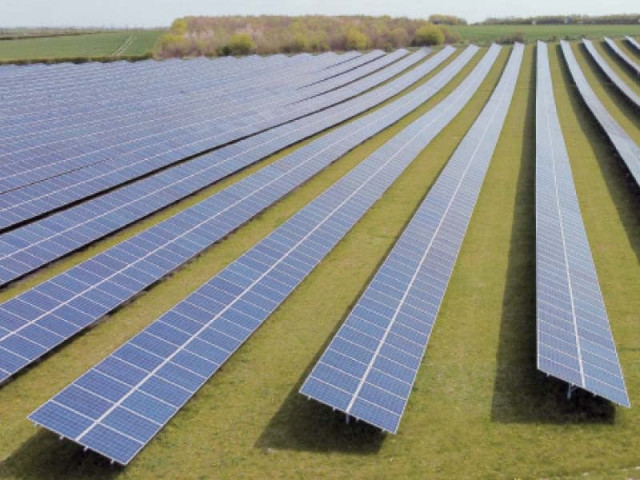
The Pakistani Cabinet approved a proposal to amend the regulatory framework for rapid photovoltaic solar energy initiatives, directing the preparation of a comprehensive analysis of a holistic solar energy policy, including initiatives for solar-powered agricultural wells, to be presented to the council.
Energy Sector Crisis and Capacity Charges
Pakistan's energy sector has witnessed successive crises since the oil price shock between 2004 and 2008, which pushed the country toward reliance on imports and led to the accumulation of circular debt. In 2013, the government launched a broad plan to increase production capacity; however, slow economic growth led to a widening gap between available capacity and actual consumption.
Data showed that capacity charge payments constituted a significant financial burden on the economy, reaching approximately $40 billion between 2019 and 2026. Reports indicated that power purchase agreements concluded with independent producers require renegotiation to achieve the necessary balance and protect the economy from persistent bleeding.
The Role of Solar Energy and Industrial Shifts
The expansion of solar energy systems and net metering since 2015 has contributed to many users and industrial sectors turning to independent alternatives to avoid the high costs of the public electricity grid. This led to a decline in industrial electricity consumption from the grid, amid growing reliance on solar panels and storage batteries.
Conversely, efforts continue to reduce the use of industrial self-generation power and shift their loads to the public grid, which contributes to saving natural gas for more efficient uses. Current data confirms the necessity of handling solar energy regulation policies with caution as they are a vital component for supporting the economy and reducing the energy import bill, while revisiting power purchase agreements and committing to carbon emission reduction standards.


