Written by: Ahmed Abdel Salam
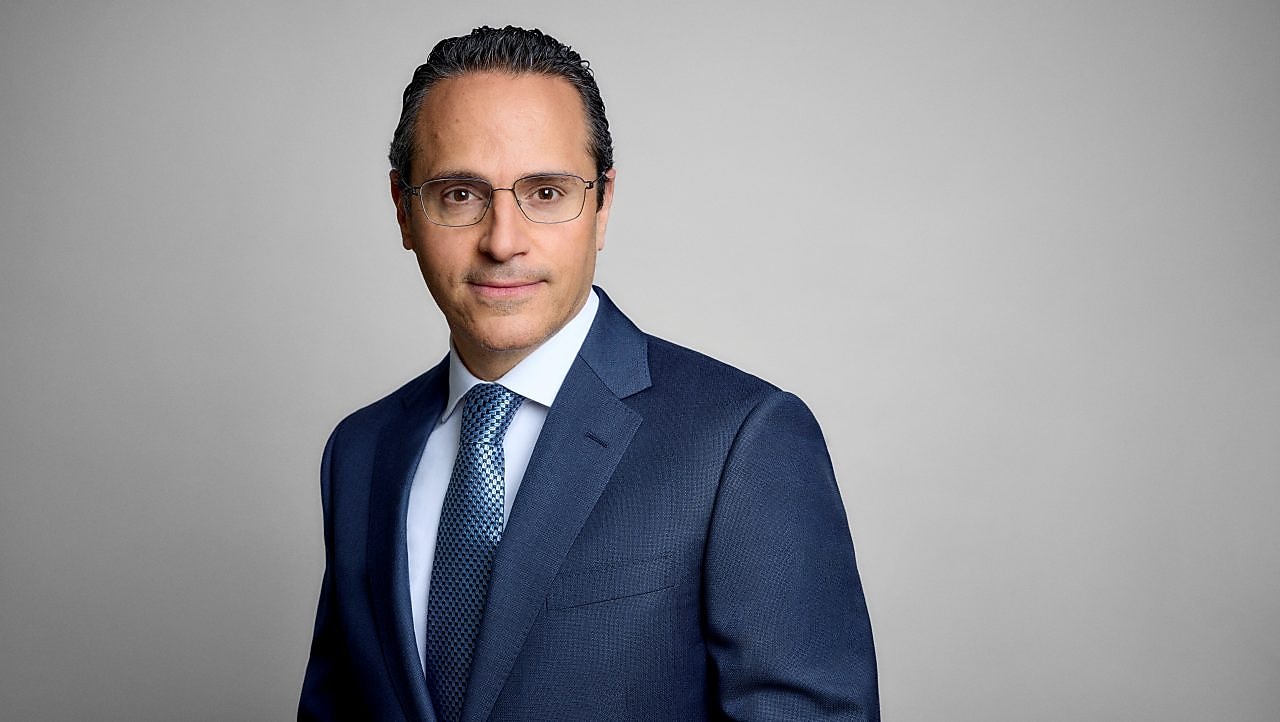
Wael Sawan, CEO of Shell, reported that oil flows in the Middle East region have recovered about 80% of their pre-current-conflict levels. During his participation in the Energy Intelligence Forum in London, he explained that Gulf oil-producing countries are gradually resuming their supplies to global markets despite ongoing regional tensions and risks facing transportation operations.
Transportation and Logistics Challenges in the Gulf
Despite the increase in export volume, transport operations through the Strait of Hormuz are still facing difficulties in returning to normal. Logistics systems are facing significant pressure due to the need to transport huge quantities of oil via smaller tankers through the strait, followed by ship-to-ship transfer operations near Oman to prepare them for transport via giant tankers to Asian markets. This pressure has led the transshipment capacities in the Gulf of Oman to reach their maximum limits, raising the duration of transfer operations from five days to about ten days.
Rising Shipping Costs and Supply Risks
Security tensions have caused a sharp rise in shipping costs, with daily charter rates for supertankers heading from the Middle East to Asia recording record levels reaching about $1.27 million at the end of September. Furthermore, Amin Nasser, CEO of Saudi Aramco, pointed out that global oil inventories dedicated to coping with supply shocks have become "very weak," raising concerns regarding global energy security.
Strategies to Secure Future Supplies
Producing countries like Saudi Arabia are seeking to reduce reliance on single transport routes, as Aramco is studying the evaluation of alternative oil export routes and the possibility of increasing the capacity of storage facilities to reach two to three times their current capacity. Sawan warned that current market stability may be linked to temporary factors such as low demand in some regions, emphasizing that the continuation of conflicts could lead to new supply interruption risks at any time.


