Written by: Salma El-Saqqa
The Neuquén Provincial Energy Agency received prominent international recognition thanks to its program dedicated to providing solar energy in rural areas, which successfully delivered electricity to thousands of users in remote areas suffering from the absence of traditional electricity distribution networks.
International recognition for the rural energy program
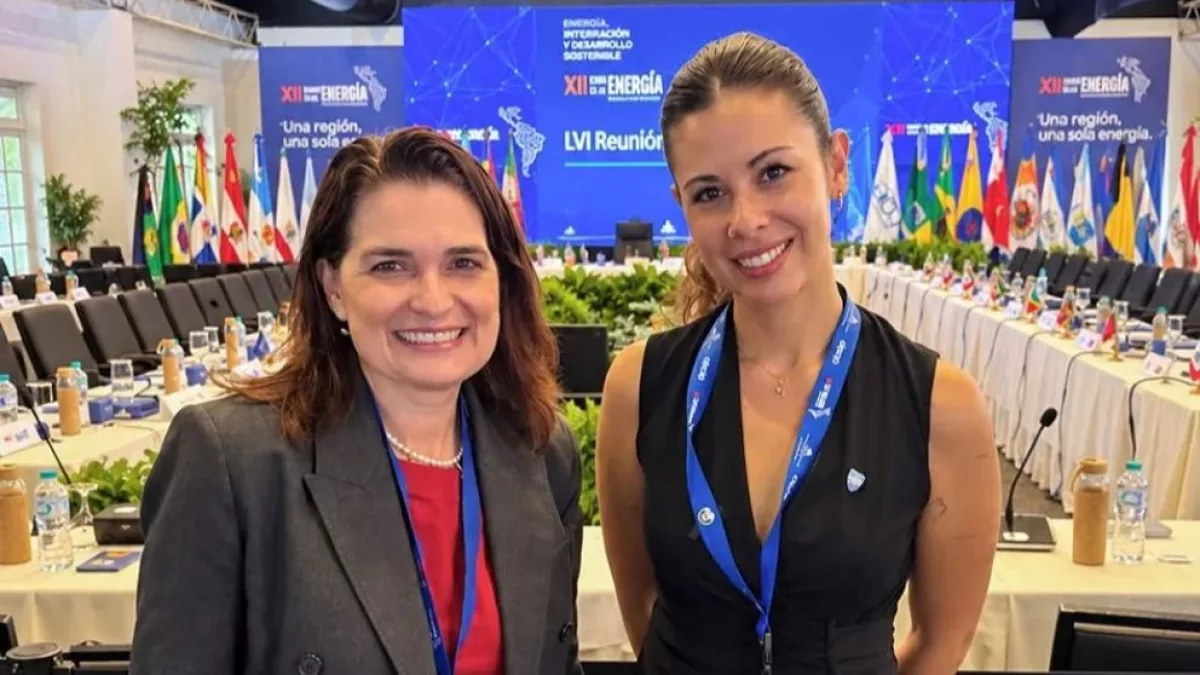
EPEN received official recognition from the Latin American and Caribbean Energy Organization, in appreciation of its sustainable project aimed at ensuring electricity access for rural communities. The honor was presented during the events of the Eleventh Energy Week in the Dominican Republic, where sector representatives met to discuss major challenges related to the growth of electricity demand and the development of energy systems.
Decentralized renewable energy generation
The initiative has enabled more than 2,100 rural users to rely on photovoltaic solar energy systems in places where distances and geographical terrain prevent traditional electrical grids from reaching. Decentralized solar generation technologies have become an essential option to ensure the continuity of electricity supplies and support the survival of families in various points of the region.
Expansion plans and infrastructure projects
Discussions during the events focused on the importance of energy security and providing an electrical system capable of keeping pace with the growing consumption resulting from expansion in the fields of artificial intelligence, electric mobility, and industry. In the province, this vision integrates with investment plans to develop infrastructure and enhance network reliability through projects such as regional interconnection lines and the development of local networks.
Discussions also touched upon the role of energy-producing provinces in supporting the path of economic diversification, where strategic projects emerge as an essential pillar to provide the necessary financial resources to develop productive capacities and pave the way towards an integrated economy that supports the energy transition for future generations, while enhancing ways of international cooperation through expanded institutional meetings.