By: Ahmed Abdel Salam
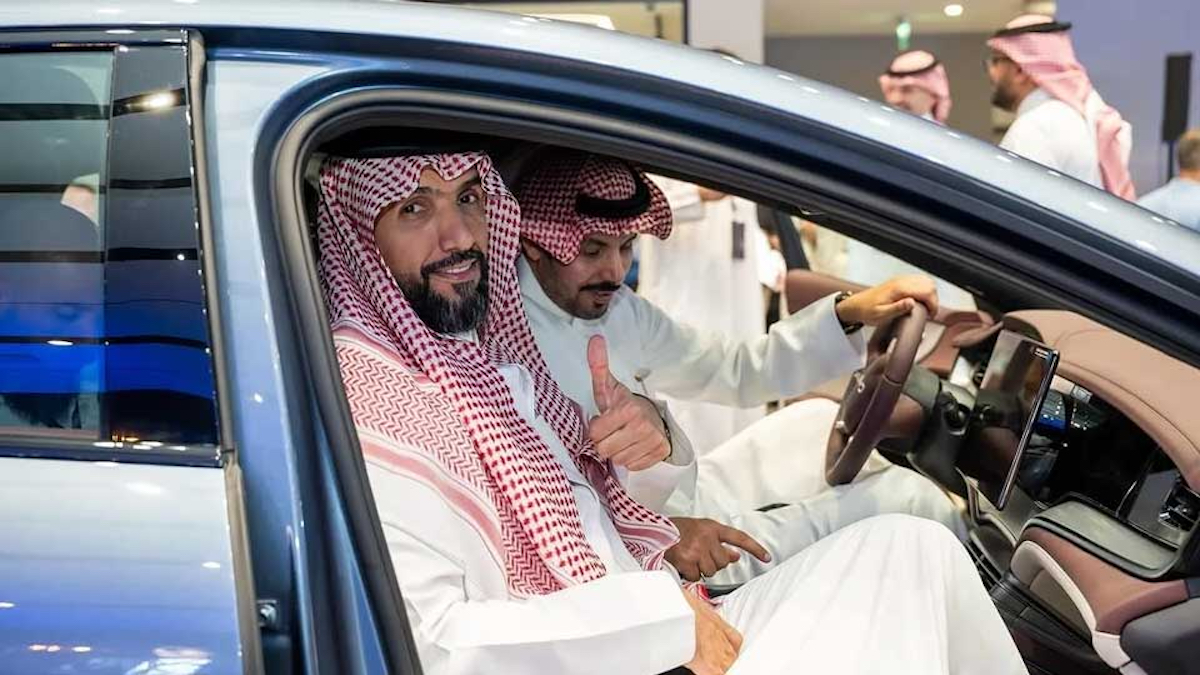
Markets in the Gulf Cooperation Council (GCC) countries are witnessing a remarkable shift with growing demand for Chinese electric vehicles, at a time when these vehicles are facing increasing restrictions in Western markets. Gulf states are seeking to diversify their energy sources, adopt ambitious environmental goals, and develop transportation sector infrastructure as part of their strategic plans.
Expansion Strategies and Automotive Sector Partnerships
Chinese companies are no longer limited to offering cheap and simple cars; rather, they have moved to build distribution networks, establish partnerships, and introduce advanced battery technologies to a region that has for long been dominated by manufacturers from Japan, America, South Korea, and Europe. Several Chinese brands are emerging in this field, offering a diverse lineup including fully electric vehicles, plug-in hybrids, and range-extended vehicles.
This shift reflects a changing economic relationship between China and the Arab world, with major implications for industrial development, technological reliance, and the future of transportation in the region. Although the Gulf electric vehicle market remains small compared to Europe, China, and America, its growth potential seems enormous given the strategic plans and positive indicators in the UAE and Saudi Arabia.
Saudi Arabia and the UAE as Key Growth Hubs
Saudi Arabia is considered a central market for China's ambitions in the Gulf, as Riyadh seeks, within the framework of its development vision, to diversify the economy and build an advanced manufacturing base to reduce reliance on oil revenues. The charging infrastructure sector is also witnessing significant development through partnerships between Chinese companies and local operators to support consumer confidence and address climate challenges.
For its part, the UAE grants Chinese companies a strategic foothold in the Middle East thanks to its cities with advanced infrastructure and a supportive business environment. Chinese brands are competing by offering advanced digital connectivity, modern interiors, and advanced driver-assistance features, which poses real competition to traditional Western and Japanese brands.
Challenges and Future Prospects
In addition to competitive pricing, buyers in the Gulf attach great importance to reliability, resale value, maintenance costs, availability of spare parts, and authorized dealer warranties. The region's harsh climatic conditions require the development of ultra-durable cooling and battery systems to meet consumer aspirations and achieve sustainable success.
This shift represents an opportunity to enhance industrial and technological cooperation, provided that the Gulf states can localize industry and transfer knowledge and technology in a way that achieves sustainable economic returns and clean infrastructure in the long term.