Written by: Basant El-Farmawy
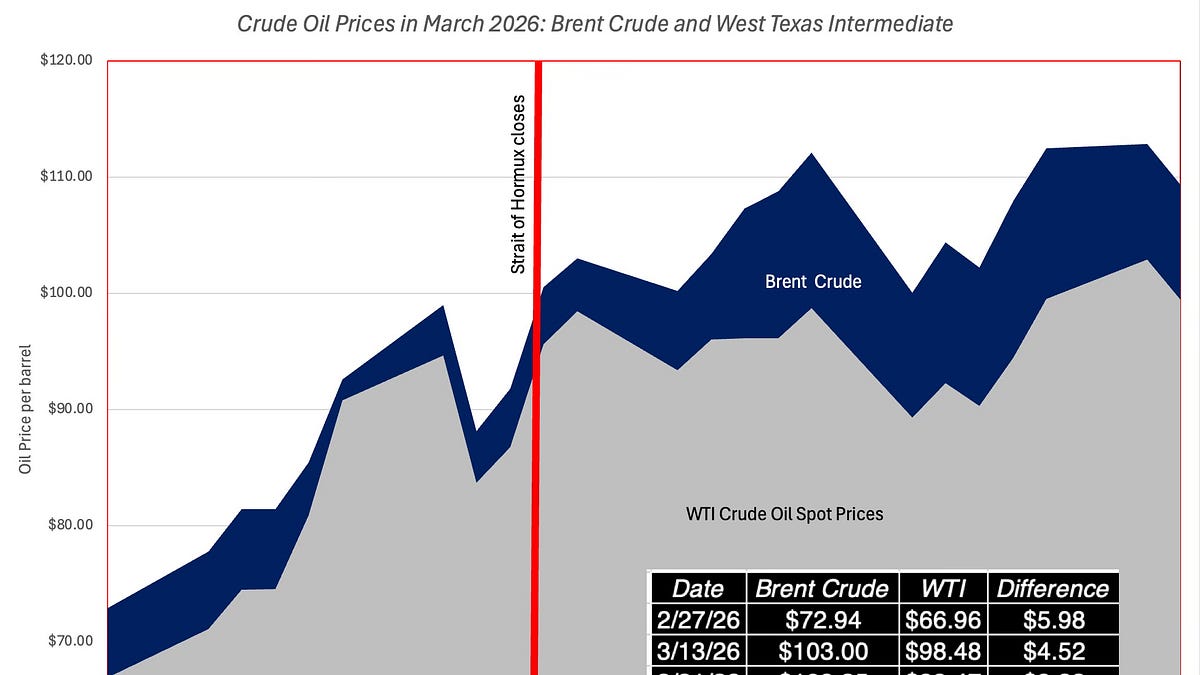
Crude oil prices witnessed a noticeable decline during Asian trading, as West Texas Intermediate (WTI) crude fell to near the $97.50 per barrel level, trading around $97.40, thereby putting an end to a seven-day streak of continuous gains in global markets.
Impact of sanctions and supply developments
This decline in oil prices came against the backdrop of developments related to the United States' decision regarding sanctions imposed on Russian oil. These geopolitical decisions play a crucial role in reshaping market expectations regarding the global supply of crude, as traders closely watch any changes in the volume of supplies available in international markets and how they affect the balance between supply and demand.
The importance of WTI and market dynamics
West Texas Intermediate (WTI) is one of the most important benchmark indicators for pricing crude oil in global markets, and its movements often reflect the general state of the global economy and expectations for energy demand growth. Current trading during the Asian session reflects the rapid reaction of financial markets to emergency political and economic news, which often leads to rapid price fluctuations after periods of stability or long-term growth.
Markets continue to monitor intersecting economic and political factors, including inventory data, production levels, and major regulatory decisions issued by major nations, as these factors collectively contribute to shaping future trends for global energy prices during the coming period amidst an economic environment characterized by continuous anticipation and caution.


