Written by: Ahmed Abdel Salam
On October 19, 2026, mutual attacks continued on the front line between Russia and Ukraine, surpassing diplomatic efforts and international de-escalation attempts aimed at achieving a ceasefire in the energy sector, as critical infrastructure and power plants are witnessing continuous targeting by both sides.
The Continuation of Military Operations and Their Impact on the Energy Sector
Despite repeated international calls for de-escalation and avoiding the targeting of vital facilities, military confrontations are seeing an increased focus on the energy sector and its associated infrastructure. Moscow and Kyiv are exchanging accusations regarding the execution of air and naval strikes targeting power generation plants, logistics centers, and oil terminals, which reflects the sensitivity of this sector and its pivotal role in the ongoing conflict.
Map of Mutual Attacks Between Moscow and Kyiv
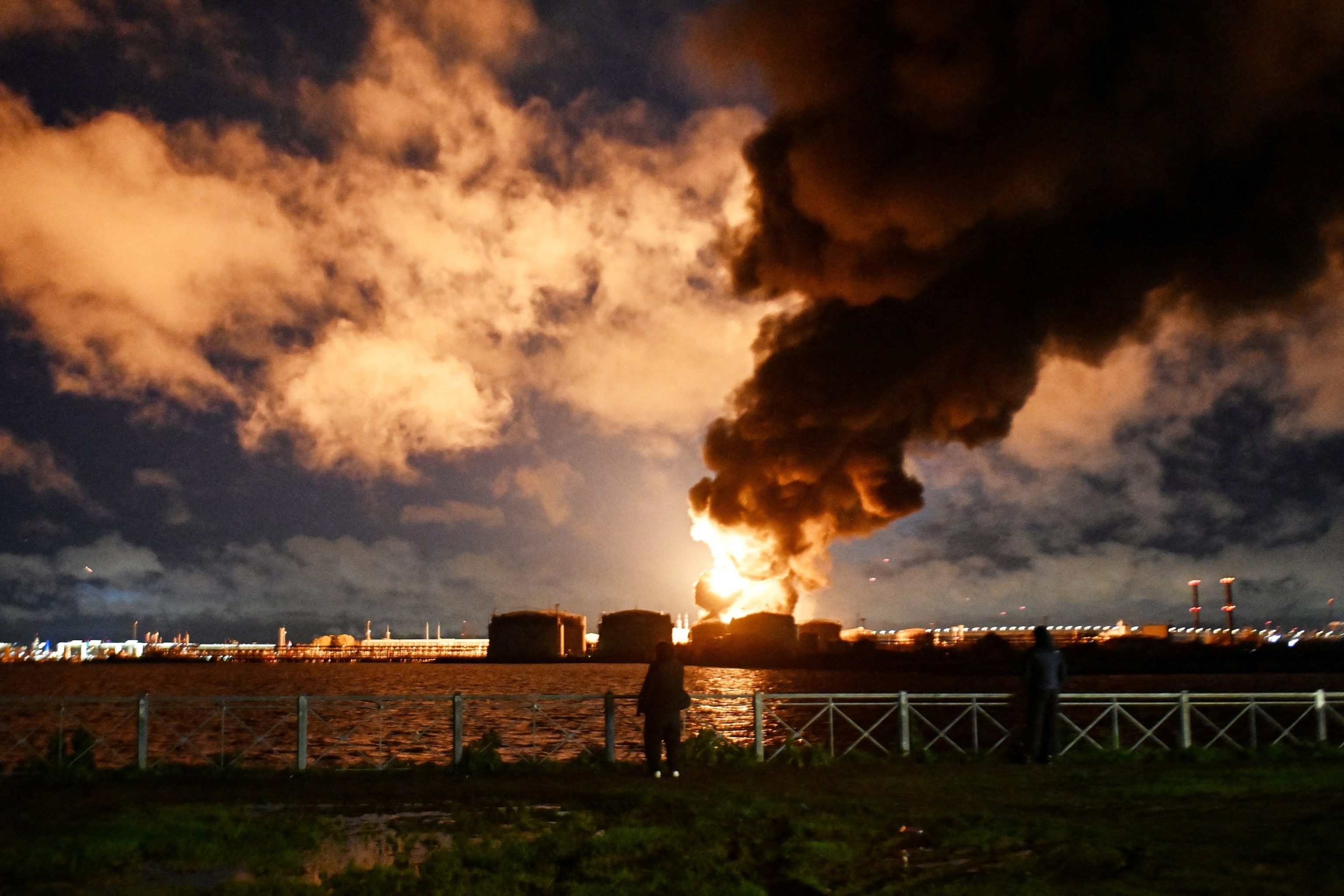
The recent period has witnessed a notable escalation in the volume of attacks, as Russian forces bombed a logistics center in the Ukrainian city of Rivne, in addition to targeting a cargo ship carrying military materials near the vital port of Odesa. On the other side, Russian authorities observed the targeting of an oil terminal in the city of Saint Petersburg and the Leningrad region, alongside a data center belonging to a local technology company.
Toll of Strikes and Repercussions of the Ongoing Escalation
In a related context, relevant authorities on the Ukrainian side announced that their energy facilities were subjected to about seventy-six attacks within just one week, which clarifies the scale of the damage and the volume of pressure on energy grids. This ongoing escalation confirms the difficulty of reaching a near truce in light of both parties holding to their positions and the continuation of military operations targeting the arteries of the economy and energy.


