Written by: Basant El-Farmawy
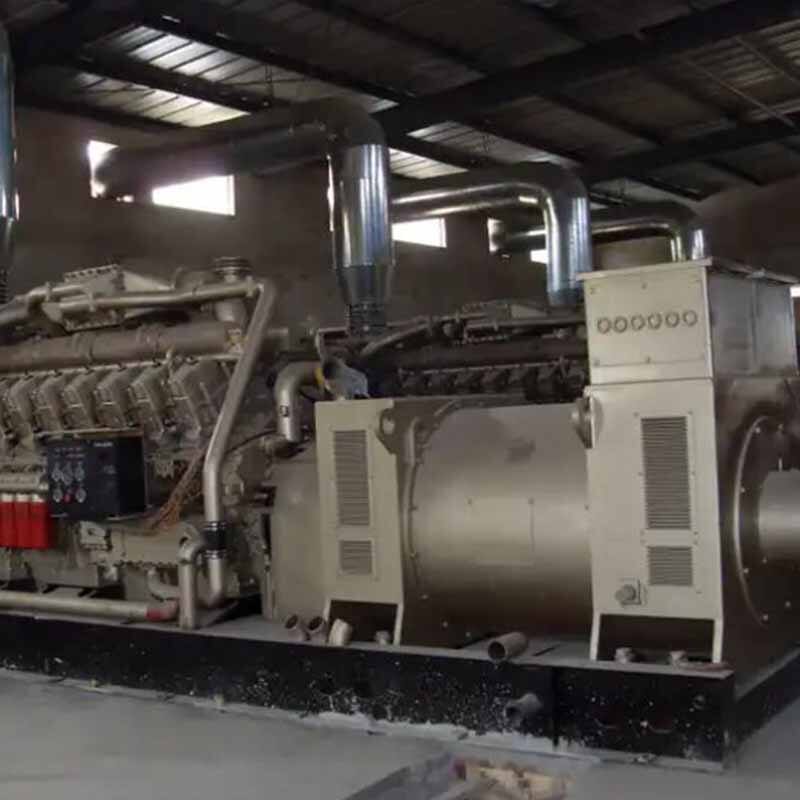
The power generation sector has witnessed a significant development following the successful testing of a 4 MW ethanol-powered engine in the Suape region of Brazil, where the engine exceeded its specified efficiency targets during operational trials. This achievement represents a qualitative step toward enhancing the reliance on biofuels as a sustainable alternative in the power generation sector and opens new horizons for reducing dependence on traditional diesel in thermal power plants.
The importance of this technology lies in its ability to offer competitive performance comparable to traditional fossil fuel-powered generators, while achieving additional environmental benefits by relying on ethanol as a renewable fuel. Through these trials, the durability of ethanol-adapted engines for long operating periods and the stability of energy supply are being examined—challenges that previously hindered the expansion of ethanol use within this power capacity range.
This step contributes to supporting the global trend toward energy transition and reducing carbon emissions resulting from the thermal generation sector. With the engine exceeding the required efficiency standards, the prospects for adopting this technology on a wider scale in Brazil and other countries that rely on vital agricultural resources for fuel production are increasing. This shift also provides an economic opportunity to reduce costs associated with fuel imports and provide local, sustainable energy solutions that meet the needs of growing electrical grids.
This technical success is part of broader efforts to develop flexible engine technologies capable of reducing the environmental footprint of industrial facilities and power plants, thereby enhancing the energy sector's resilience in dealing with traditional fuel price fluctuations and international commitments related to environmental sustainability. Tests are continuing in the current phase to evaluate the long-term impact of these engines on existing infrastructure and the ease of their integration into current generation systems.