Written by: Islam Al-Saqqa
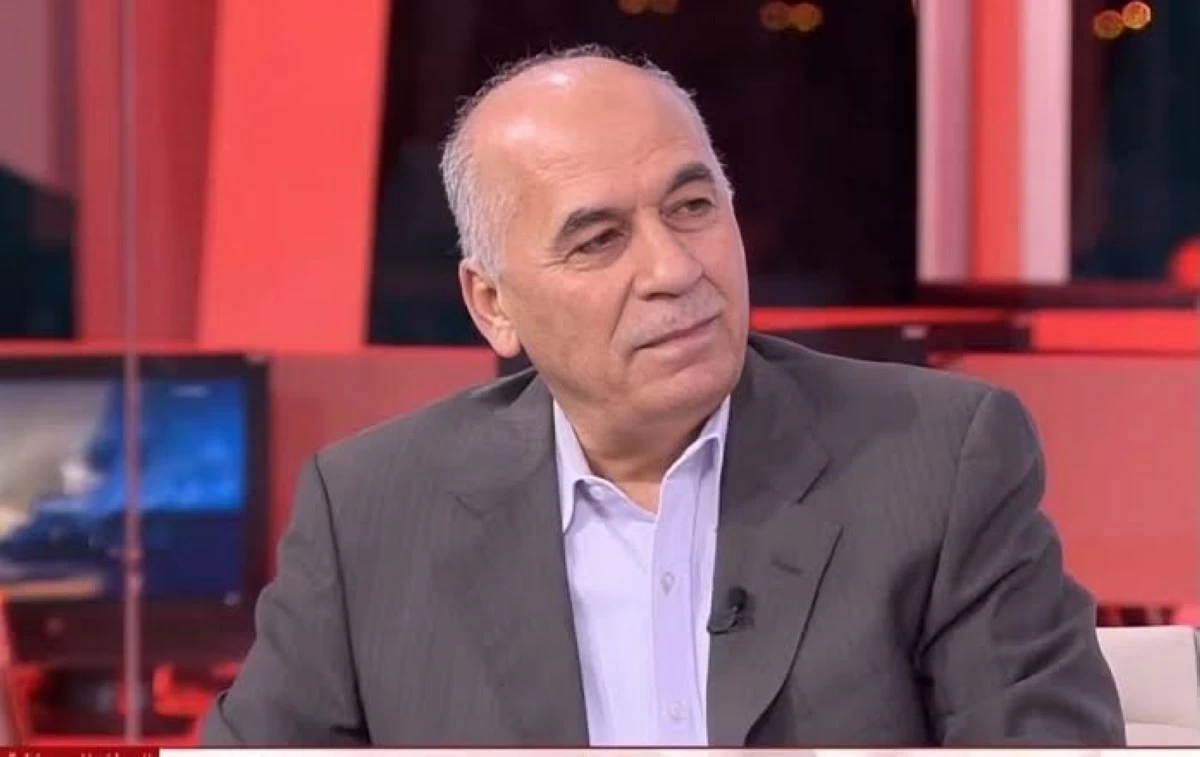
Hussain Al-Yamani, an energy expert, warned that the strategic options available to the European continent to address the current energy crisis have become extremely limited. He stressed that the miscalculation of the situation in managing the relationship with Russia, along with the geopolitical tensions resulting from the war in Ukraine and the accelerating developments in the Gulf region, has placed Europe in front of unprecedented economic challenges, as the heavy reliance on external energy sources has turned into a strategic weakness threatening the national security of these countries.
Repercussions of the crisis on the economy and society
The energy crisis has directly reflected on economic performance in Europe, leading to a wave of anxiety regarding social stability. Al-Yamani pointed out that the sharp rise in energy prices and the cost of living has become a growing pressure on citizens in countries such as France, Belgium, Italy, and Portugal. These pressures have led to widespread popular protests demanding improvements in living conditions, rejecting public spending cut policies, and resolving the housing crisis, which may extend to deeper political effects that could threaten the stability of current governments.
Energy security in light of geopolitical tensions
The current phase is characterized as part of a global geopolitical crisis, as energy resources have become a key tool in international conflict. Europe faces difficulties in securing its oil and gas needs in light of the disruption of navigation in the Strait of Hormuz and the targeting of energy infrastructure in the region. International initiatives, including the G7 decisions to release strategic oil reserves, have not succeeded in curbing price volatility or effectively compensating for supply shortages.
Supply challenges and reliance on abroad
According to data from the European Statistical Institute, the European Union relies heavily on external imports to cover about 96 percent of its oil needs and 85 percent of its gas needs. With the decline in Russian supplies, the continent has turned to increasing its reliance on liquefied natural gas, especially from the United States, which has become a major source of supplies. Despite these efforts, storage levels in EU countries remain below the usual seasonal average, amid fears of continued uncertainty in the international energy landscape, placing Europe before the necessity of re-evaluating its energy policies and the international relations associated with them to ensure its economic and social stability.


