Written by: Salma El-Sakka
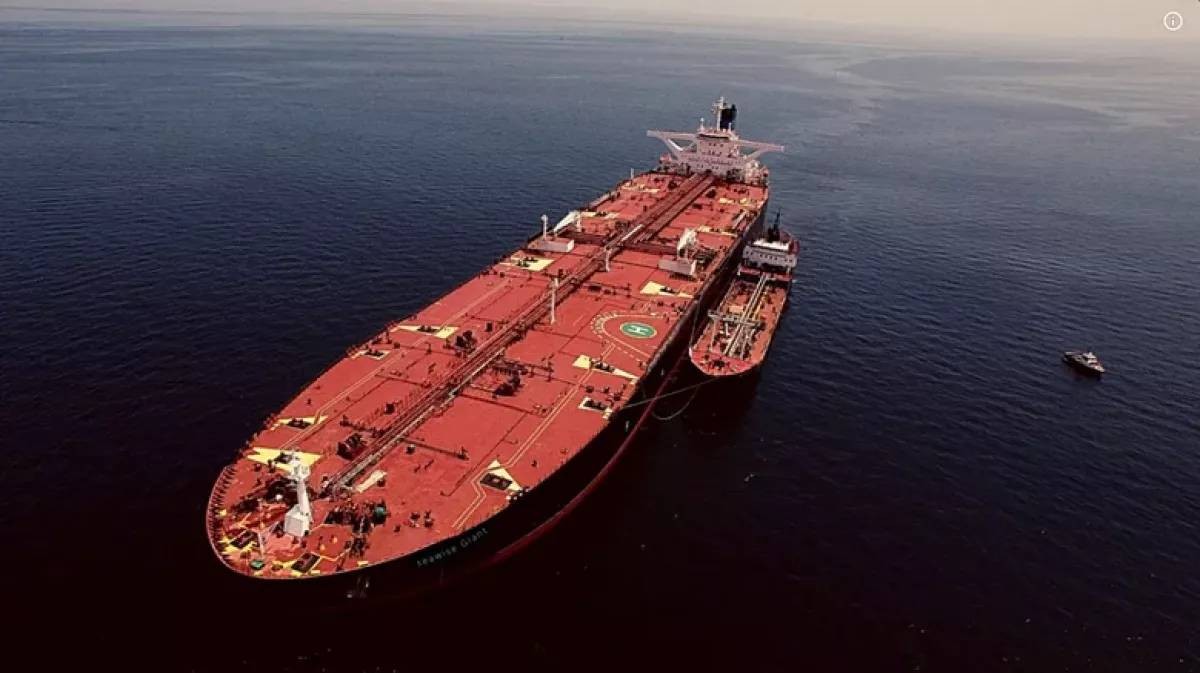
Global maritime shipping markets are witnessing a notable shift, with second-hand oil tanker prices recording a significant increase of up to 36% recently. This price surge is attributed to a series of geopolitical challenges and increasing restrictions on navigation movement across the Strait of Hormuz, which is one of the most vital waterways for energy trade worldwide.
Reasons for the Increased Demand for Second-Hand Tankers
This increase comes as a result of heavy pressure on energy supply chains, as shipowners and shipping companies are forced to secure additional fleets to ensure the continuous flow of crude oil amid complex operational conditions. Second-hand tankers are considered a strategic choice for many companies seeking rapid expansion or to compensate for capacity shortages, especially given the long time required for building new ships in global shipyards.
Effects of Navigation Disruptions on Energy Markets
This rapid rise in prices reflects how sensitive energy markets are to developments in the Strait of Hormuz. Any restrictions on transit movement drive up insurance and operating costs, prompting the market to comprehensively reassess maritime transport assets. These pressures on the maritime transport sector are expected to continue as long as logistical challenges persist, which is directly reflected in the economics of international oil transport, making the possession of a ready-to-operate fleet a top priority for major global energy companies facing doubled challenges today to ensure the delivery of supplies to global markets on time without interruption.


