Written by: Karim Hammam
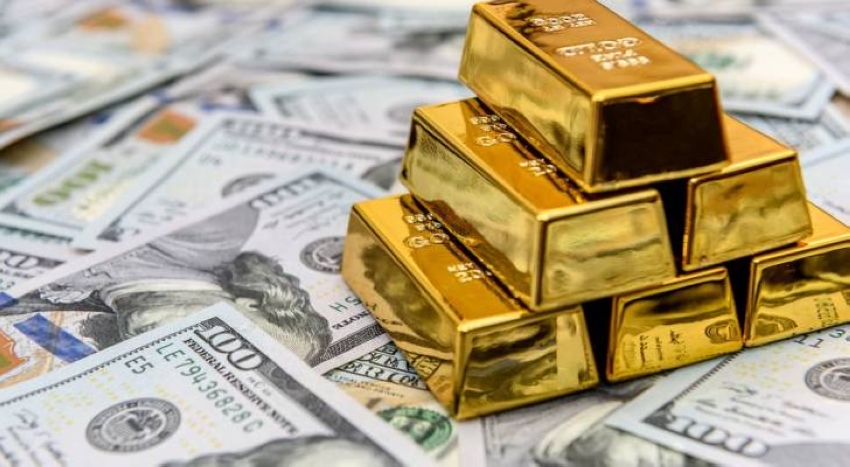
Global markets have witnessed mixed movements in commodity prices, with gold recording a noticeable rise at a time when oil prices have seen a decline. These movements reflect the nature of the traditional relationship between safe havens and energy sources, which are directly affected by fluctuations in international economic data and the investment trends of traders.
Dynamics of commodity markets and economic interdependence
When oil prices decline, investors often turn to gold as an effective investment tool to hedge against economic uncertainty. The drop in oil value may be linked to multiple factors, including levels of global demand, production forecasts, or even changes in the structure of regional trade. Conversely, gold emerges as an indicator of stability, as demand for it increases at times when energy markets are volatile, making it a preferred destination for maintaining value.
Impacts on the global economy
These price movements come at a time when the global economy is showing a certain robustness despite ongoing challenges. The stability of infrastructure, especially in oil-rich countries, plays a pivotal role in supporting energy supplies and ensuring the smooth flow of trade, which helps in mitigating the negative impacts of oil price fluctuations on general economic growth.
Regarding development projects, pumping investments into infrastructure sectors remains the main pillar for maintaining the pace of economic growth. Current indicators suggest that the pace of awarding strategic projects continues with good momentum, reflecting the confidence of institutions in the future of markets and their ability to absorb short-term fluctuations in commodity prices. The general economic landscape remains dependent on the ability of global markets to balance between energy price volatility and the continuous quest of investors for a safe hedge.


