Written by: Ahmed Abdel Salam
A recent study highlights the concept of positive tipping points and how to bring about unstoppable sustainable environmental progress by applying this scientific perspective to various environmental and climate domains related to energy and emissions reduction.
The Science of Positive Tipping Points
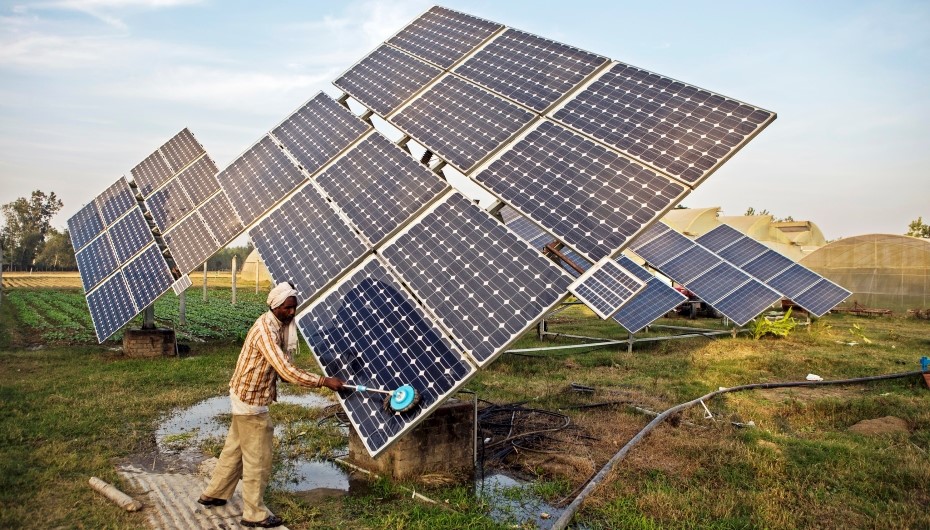
Environmental interventions are often seen as gradual changes that require massive budgets to achieve slow results. However, many complex systems—such as technologies, markets, and ecosystems—are capable of shifting suddenly once a certain critical threshold is crossed. The solar energy sector is a prominent example, as its cost has dropped significantly within a decade because every unit sold stimulated innovation and lowered costs for subsequent panels, which attracted more investment and improved performance until self-reinforcing mechanisms took control.
Clean Electricity as a Key Accelerator
Analyses show that clean electricity has become a key driver for accelerating progress in the fields of e-mobility, residential heating, industrial sector emissions, and air quality improvement. Reports identify the potential for self-reinforcement across dozens of innovative solution areas, with a focus on making these solutions easier and less expensive compared to current polluting systems.
Practical Solutions for Emission Reduction and Environmental Transition
Areas approaching the tipping stage include the clean cooking sector in many African markets, thanks to flexible financing solutions that allow for easy weekly payments, as well as the reduction of methane emissions, which contribute significantly to global warming. Modern satellites allow for the precise detection of methane leaks from oil and gas facilities so they can be addressed at a low cost.
Protecting Oceans and Biodiversity
Marine protected areas contribute to doubling fish biomass several times over compared to surrounding waters, which boosts local fisheries and drives expansion in these sanctuaries. With the international High Seas Treaty entering into force and the use of satellite monitoring technologies, science, technology, and policy are integrating to achieve the goals of protecting a significant percentage of the world's oceans.