Written by: Fatma Younis
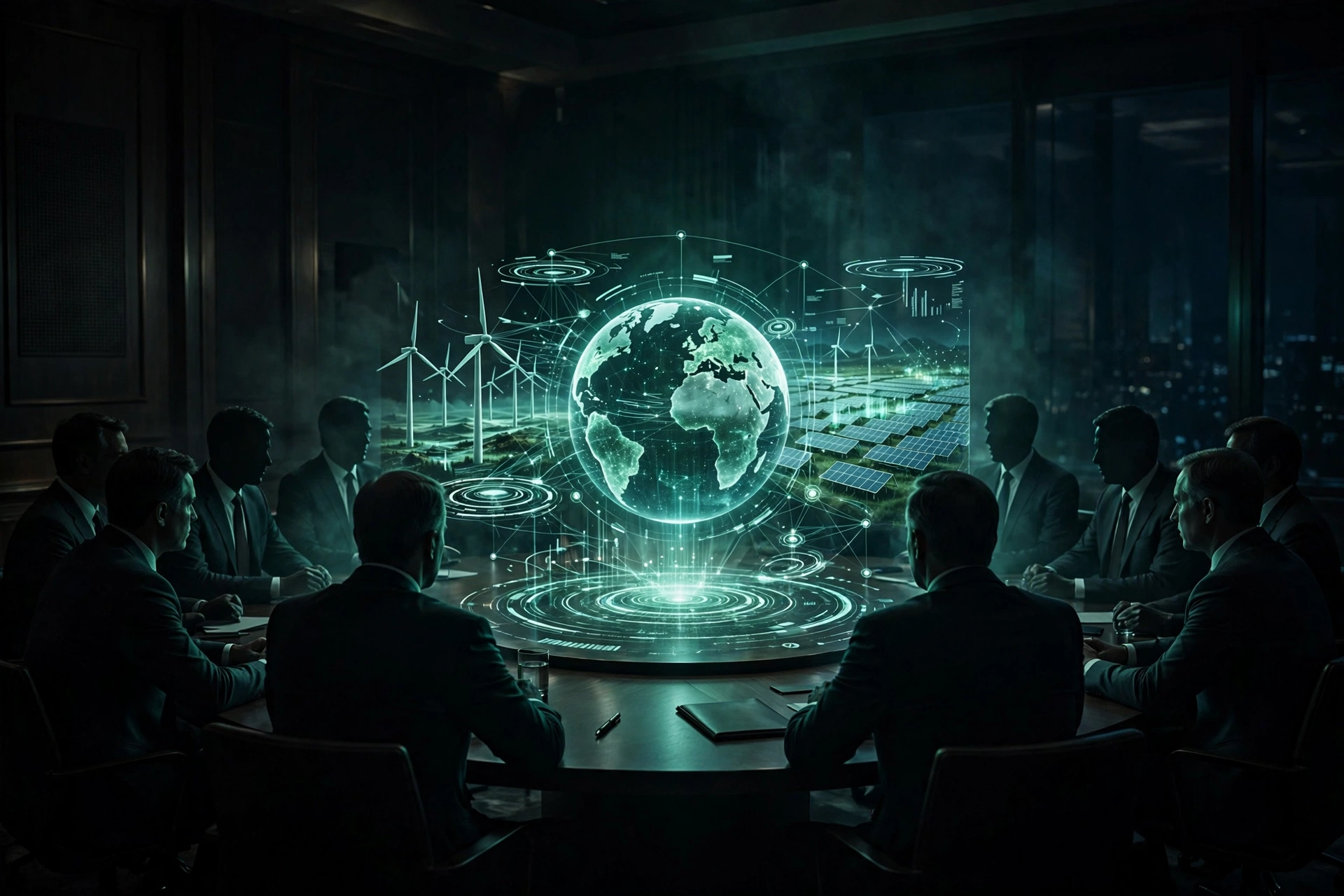
Over the past decade, India has made significant leaps in the renewable energy sector, successfully expanding its generation capacity to 295.55 GW by August 2026, including 168.04 GW from solar energy and 58.52 GW from wind energy. As the country moves towards achieving an ambitious target of reaching 300 GW by 2030, the challenge is no longer limited to merely adding more generation capacity, but has shifted towards ensuring energy quality and electrical grid stability.
Beyond expanding generation capacity
Renewable energy sources, such as solar and wind, have an intermittent nature in electricity generation, which imposes complex technical challenges on the national grid. With the increasing share of these sources in the energy mix, issues such as voltage fluctuations, frequency changes, and overall system instability arise. This crisis is already manifesting in high rates of "curtailment" of produced energy; India was forced to curtail 8,133 GWh of solar energy between April and June 2026 due to limited transmission capacities and grid security challenges, despite recording a peak demand of 270 GW.
Energy quality as a strategic priority
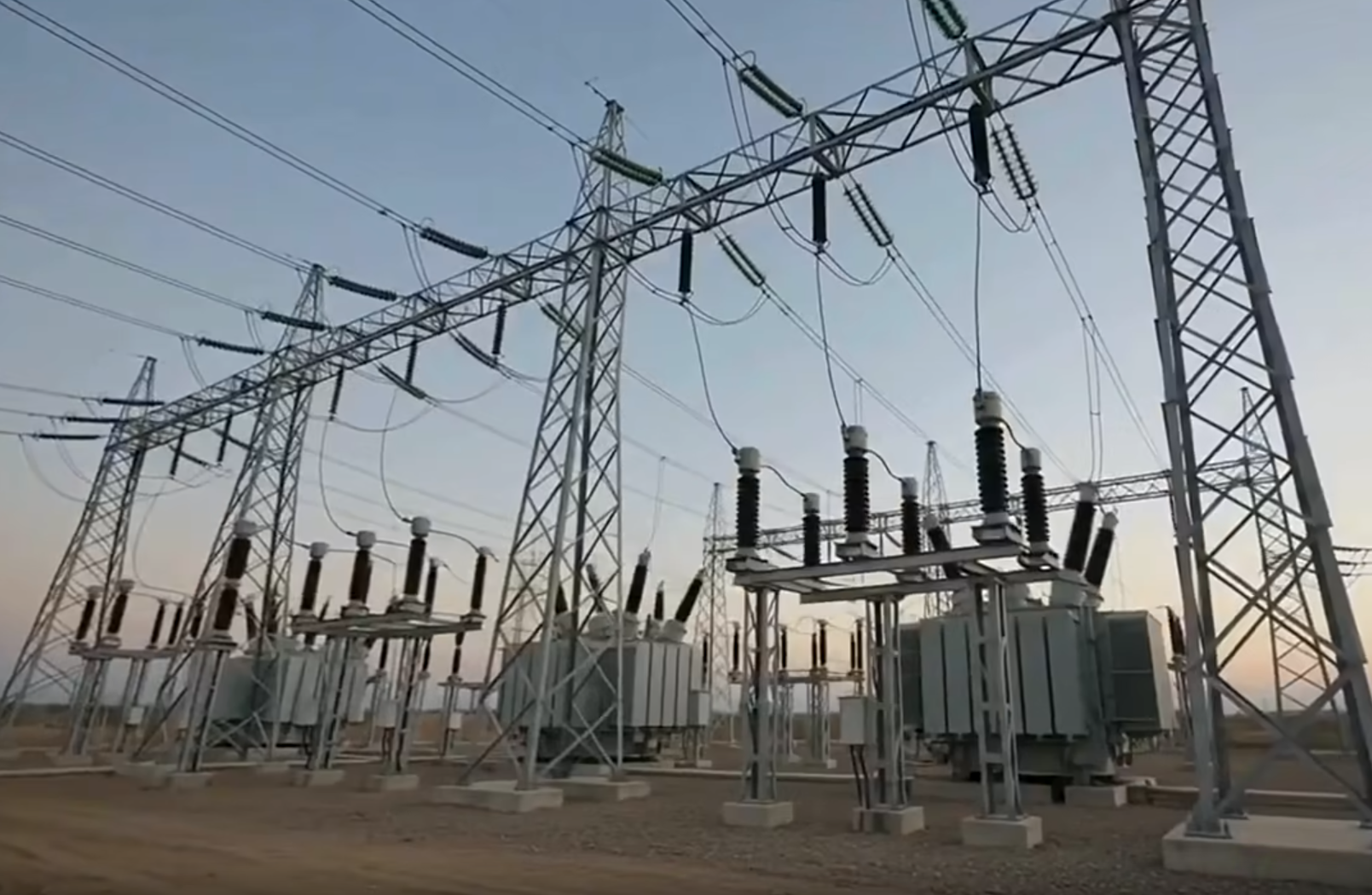
With the acceleration of digital transformation and the electrification of the economy, consumers have become increasingly reliant on stable and predictable power supplies. Poor energy quality is not just a technical problem; it directly affects sensitive industrial equipment and data centers. The Indian government is preparing to face these shifts by improving renewable energy production forecasting, real-time monitoring, and automated generation control, in addition to investing in grid support technologies such as Static Synchronous Compensators (STATCOMs) and synchronous condensers.
The role of storage in grid flexibility
The importance of energy storage systems is not limited to preserving surplus production for later use; they play a pivotal role in regulating oscillations and managing frequency and voltage. National plans aim to add huge capacities of Battery Energy Storage Systems (BESS) and pumped storage by 2031-2032 to provide greater flexibility to the electrical system. India's success in meeting a peak demand of 256.1 GW in April 2026 underscores the necessity of expanding reliance on these solutions to ensure the continuity of supplies outside solar peak hours.
Towards a more responsive grid
The future path for India's energy sector requires close coordination between generation, transmission, storage, and demand. With about 21 GW of renewable energy currently relying on temporary grid connections, expanding transmission infrastructure is an urgent necessity. The future of the clean energy transition in India depends not only on the volume of added capacity, but also on the ability to convert this energy into reliable, high-quality supplies capable of meeting the requirements of a growing economy.