Written by: Karim Hammam
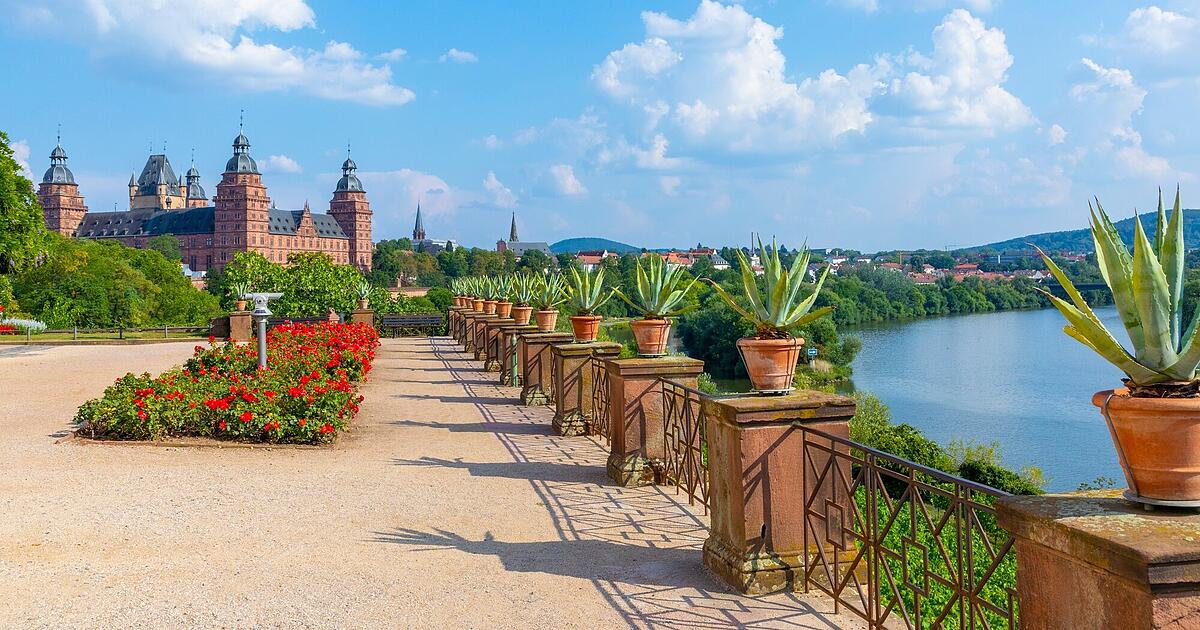
The German city of Aschaffenburg, located in the Lower Franconia region, enjoys wide fame and a distinctive touristic status, as it has long been nicknamed the "Bavarian Nicaea" thanks to its temperate climate and weather that carries a Mediterranean character, allowing exceptional plants to grow in that region of Germany.
A unique local climate that inspires admiration
The city, located on the banks of the Main River, features a unique geographical location protected by the heights of the Spessart forests, while the Main River contributes to creating a mild and balanced local climate. This unique environmental harmony allows the flourishing of rare plants not usually found in these European atmospheres, such as fig trees, cacti, and almond trees that grow clearly around historical landmarks, giving visitors a feeling resembling summer holidays in southern Europe.
Prominent historical and cultural landmarks
The city is rich with many touristic and historical destinations that attract visitors and tourists from various regions, most notably the famous Johannisburg Palace, which was built in the early 17th century as a major landmark of the Renaissance in Germany, and which today houses an art gallery containing works by major artists. Also prominent is the Pompejanum palace, an exact replica of an ancient Roman house from the ancient city of Pompeii, built in the 19th century and surrounded by gardens, grapevines, and fig trees.
The most important landmarks and tourist places
The city also includes a wide range of attractive sites such as the historical towers remaining from the old city wall, the Schöntal Park which contains the largest magnolia flower grove in the region of Bavaria, in addition to the Romanesque church which is considered one of the oldest local churches and houses important artistic and historical treasures. The English-style gardens also provide wide spaces for strolling and enjoying nature, making the city an integrated destination combining ancient history and charming Mediterranean atmospheres.

