Written by: Fatima Younis
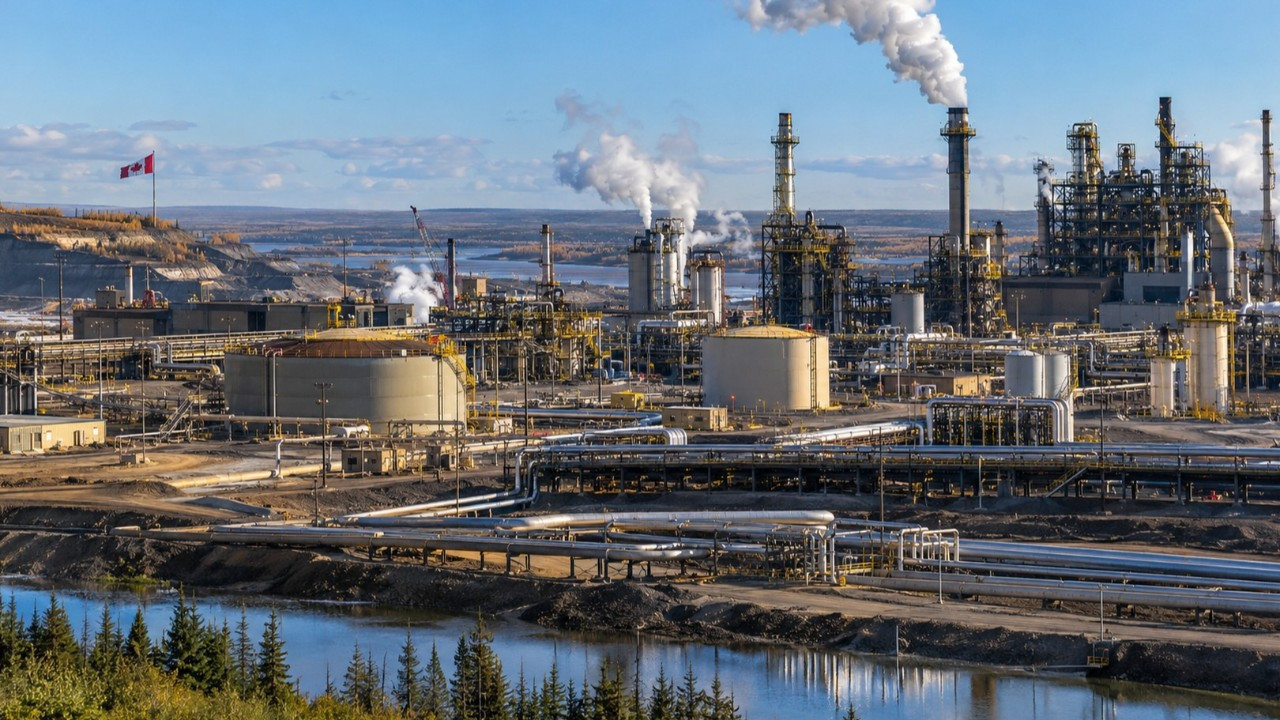
The province of Alberta, which is the beating heart of Canada's energy sector, is witnessing a fateful referendum that could change the map of oil and gas production in the country. Voters in the province, which contributes about 84% of Canada's total oil production, are heading to the ballot boxes to cast their votes on a set of issues, most notably initiating a legal path that could lead to independence from Canada.
Alberta's importance in the global energy sector
Alberta enjoys exceptional economic weight thanks to its massive oil wealth, as Canada's average daily production in 2025 reached about 5.35 million barrels, of which Alberta accounted for about 4.4 million barrels. The province also covers 60% of Canadian natural gas production, with capital investments in traditional and renewable energy sectors reaching 32.4 billion Canadian dollars. This economic weight makes any political change within it an international issue that transcends local borders, given its direct impact on global energy markets.
Referendum details and the path of the decision
The referendum does not aim to declare immediate secession; rather, the tenth question on the ballot paper focuses on initiating constitutional legal procedures to open the door to potential independence. The province's Premier, Danielle Smith, supports voters' right to self-determination despite her affirmation that she does not adopt the option of secession, while Canadian Prime Minister Mark Carney stands on the side of forces calling for the preservation of the country's unity.
Data issued by the provincial electoral authority indicate heavy turnout, as more than 1.35 million voters registered their participation in early voting, representing a remarkable turnout rate of 43.1% of the total registered. The ballot paper includes 10 questions covering immigration issues, social services, constitutional reforms, in addition to the issue of secession.
Implications for energy markets
Although the referendum does not mean an immediate change in production or export operations, the state of legal uncertainty raises investors' concerns regarding the management of pipelines, the tax system on oil exports, and the sharing of financial revenues between the federal government and the province. With eyes turning toward the sorting results scheduled for late October 2026, North American energy markets are anticipating the repercussions of this path in the long term, especially regarding the political stability of Canada's largest oil supplier.


