Written by: Fatima Younes
Global oil prices continued to rise, settling near their highest levels in five months, as uncertainty regarding global energy supplies persists amid escalating geopolitical tensions in the Middle East. International benchmark Brent crude traded around $110 per barrel, while West Texas Intermediate (WTI) exceeded the $104 per barrel mark, reflecting market concerns over the repercussions of the ongoing conflict.
Geopolitical risks raise risk premiums
Strategic experts in commodity markets believe that the continued rise in prices, despite sustained crude flows from the Persian Gulf, indicates that the market currently incorporates a significant risk premium due to the volatility of regional conditions. Attention is focused specifically on the Strait of Hormuz and the risks of new disruptions, in addition to the notable rise in shipping costs and their direct impact on final delivery prices.
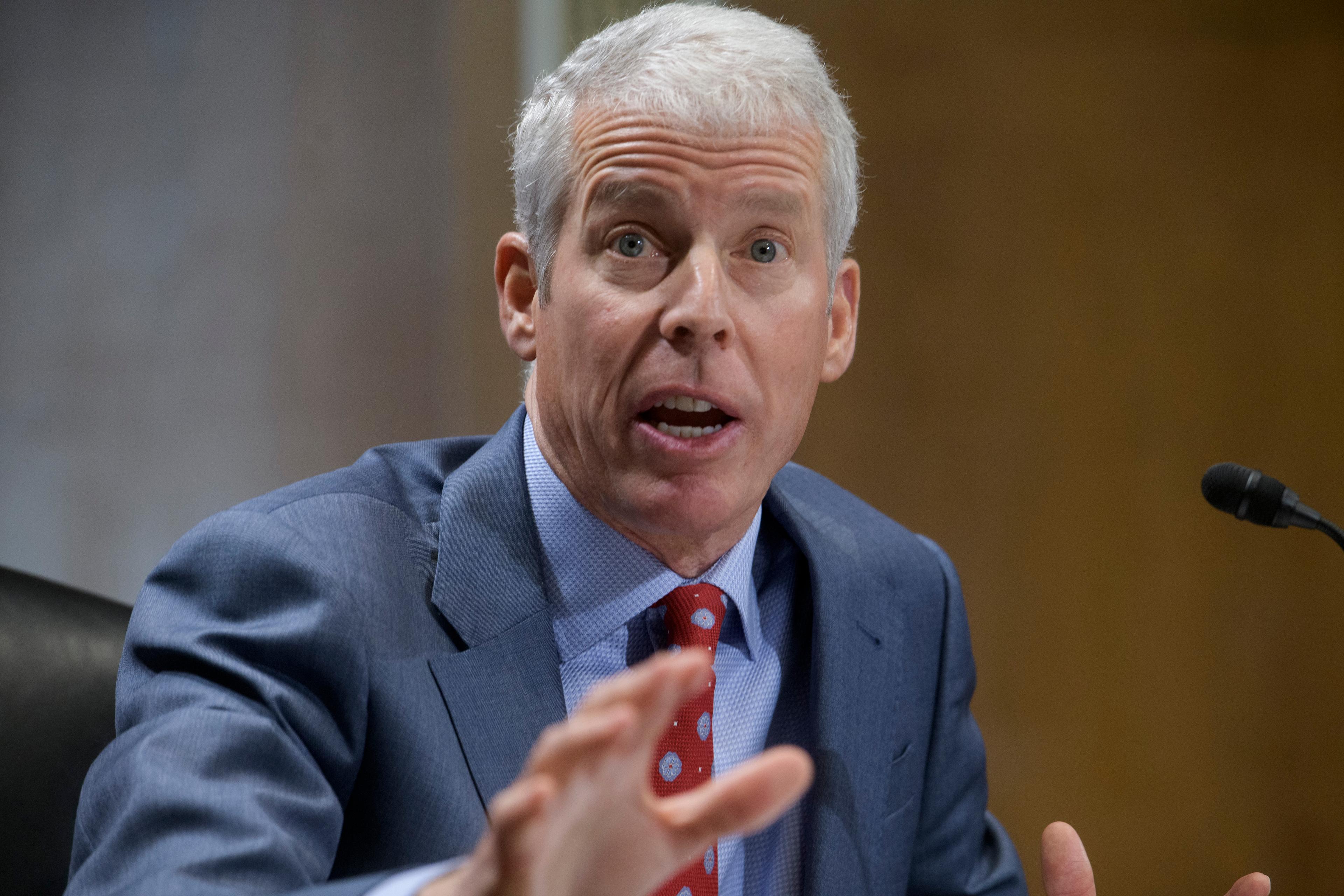
For his part, U.S. Energy Secretary Chris Wright stated that crude oil flows coming from the Gulf region have returned to about 80% of their levels prior to the start of the conflict, noting simultaneously the existence of greater challenges facing refined product supplies. The United States is also exploring options to facilitate the return of sanctioned oil tankers to legal service to increase transport capacities and alleviate cost pressures.
Record rise in gas prices
The impact was not limited to crude oil, but extended to include the liquefied natural gas (LNG) markets, which saw notable price jumps; gas prices in Asia reached their highest levels since December 2022. These increases come at a time when security concerns regarding energy cargo transportation are rising, especially after reports of an LNG tanker being fired upon off the coast of Yemen, which increased investor anxiety regarding the stability of vital supply routes.
On the European front, natural gas prices remained at record levels, as markets are directly affected by any news of supply chain disruptions, which puts additional pressure on economies that rely heavily on energy imports amid ongoing attempts to control inflation rates.


