Written by: Salma El-Saqqa
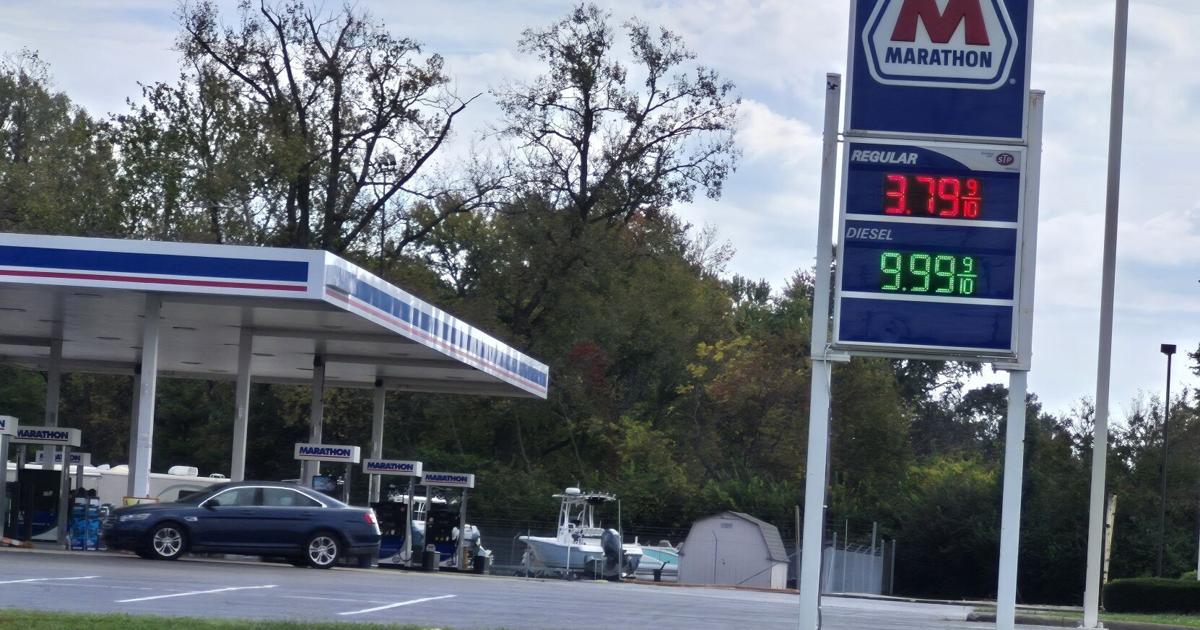
Fuel prices in the US states of Ohio and Michigan are witnessing noticeable fluctuations, as drivers face continuous cost increases at filling stations, despite a decision by lawmakers in Ohio to temporarily suspend the gasoline tax. Analysts indicate that these increases are not due to the tax factor alone, but involve a combination of seasonal factors and fluctuations in global energy markets.
Impact of Seasonal Factors and Global Disruptions
Experts in fuel price analysis explained that usual seasonal factors play a large role in driving prices, alongside greater pressures resulting from geopolitical tensions, such as the conflict with Iran and the impact of sanctions and the war on Russian diesel exports, which led to a disruption in global supplies. These factors led to the dissipation of the positive impact that was expected from the 38.5-cent gasoline tax suspension in Ohio, as prices quickly resumed their rise after the implementation of the tax exemption decision.
Refinery Crises and Price Cycle Mechanism
Operational issues at an ExxonMobil refinery in Chicago recently caused additional pressure on local markets. The refinery experienced an emergency flaring event, a preventive measure to ensure system safety, which contributed to new jumps in gasoline prices. These jumps are linked to what is known as the "price cycle," a mechanism followed by retailers; where one station starts raising prices, then surrounding stations follow suit, before the stations later begin to gradually lower prices to attract customers, until they reach a point where they cannot lower them further without incurring losses, which pushes them to raise the price again.
Future Outlook and Policy Challenges
The ability to predict fuel price trends in the near term remains complex, especially in light of the anticipation of the impact of proposed federal programs to support diesel availability or provide subsidies to farmers. Experts confirm that determining the effectiveness of these programs requires more details on implementation mechanisms, at a time when fuel prices in the affected states are still recording significant increases compared to the previous year's averages, placing drivers before an economic reality that requires adapting to these successive fluctuations in energy prices.


