Written by: Islam Al-Saqqa
The State of Qatar is taking extraordinary measures to ensure the flow of liquefied natural gas (LNG) shipments to global markets, in light of the growing geopolitical challenges in the Strait of Hormuz region. These moves come in the context of Doha's efforts to maintain its position as one of the world's largest gas exporters and ensure its supplies reach their destinations without interruption, despite rising operational risks in vital maritime passages.
Enhancing Operational Incentives to Face Risks
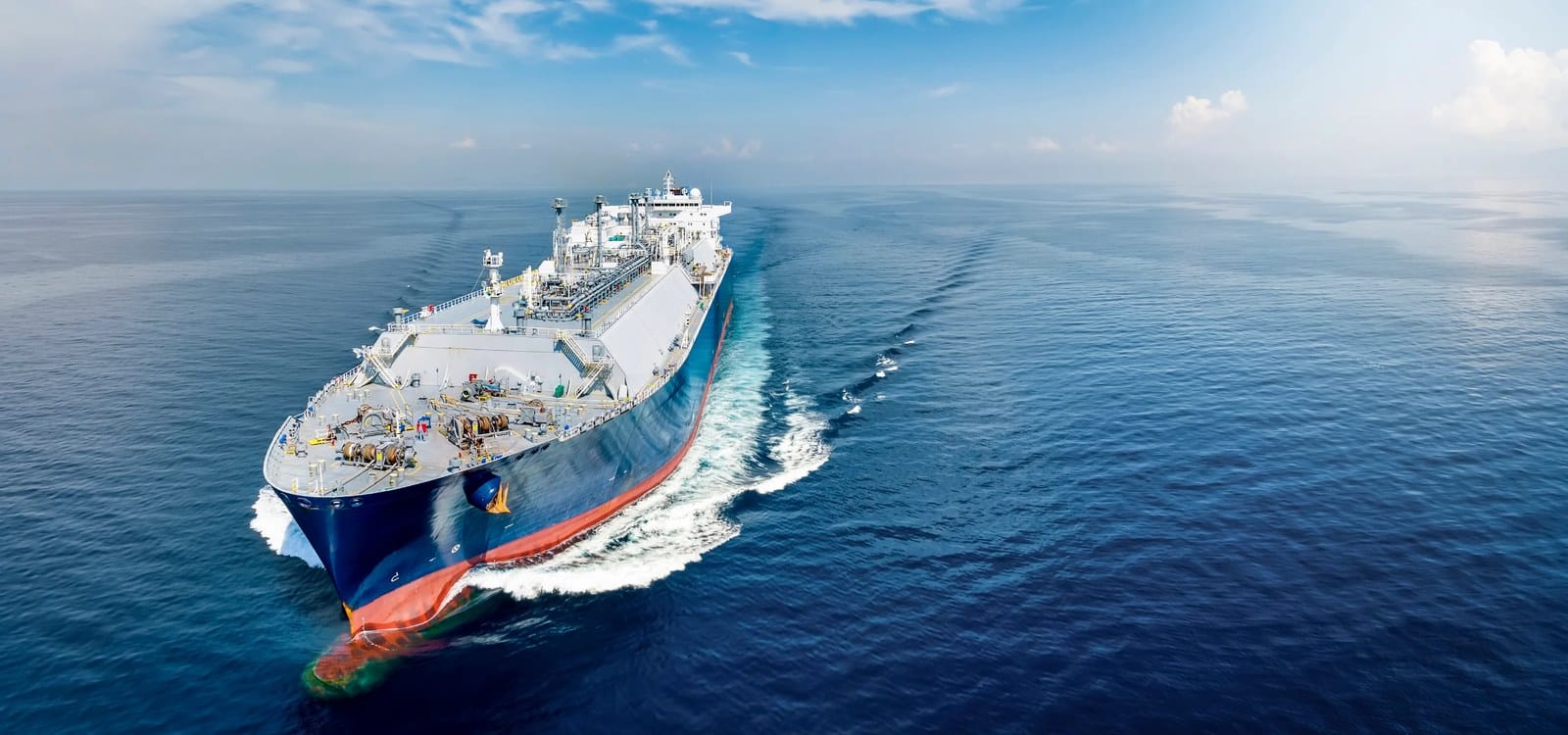
Reports indicate that the operating companies of Qatari gas tankers are trending toward doubling, or even tripling, the salaries of the crews working on these ships in some cases. This step aims to secure operational continuity and ensure crew readiness to handle shipping routes experiencing an escalation in security caution, as the Strait of Hormuz is an indispensable strategic artery for energy exports from the Arabian Gulf region.
Impact of Insurance on Transport Costs
In addition to financial incentives for workers, energy supply chains in the region are facing additional pressures resulting from the significant rise in marine insurance premiums. These additional costs are reflected in the overall economic landscape of gas exports, as regional risks have raised the ceiling of operational costs to include additional protection fees and insurance against potential risks during tanker transit through the strait. These trends confirm the state's keenness to preempt any disruptions that may occur in supply chains, which reflects the flexibility followed by logistics management to ensure fulfillment of contractual obligations with international importers in Europe, Asia, and other regions.
These measures are part of a broader strategy related to managing energy security in light of global supply chain disruptions. With the increasing international demand for LNG as a key alternative in energy transitions, the efficiency of shipment arrival remains a top priority that requires continuous investment in logistics and security aspects, to ensure that the volume of exports is not affected by political and security developments surrounding international energy corridors.


