Written by: Suhaib Shams
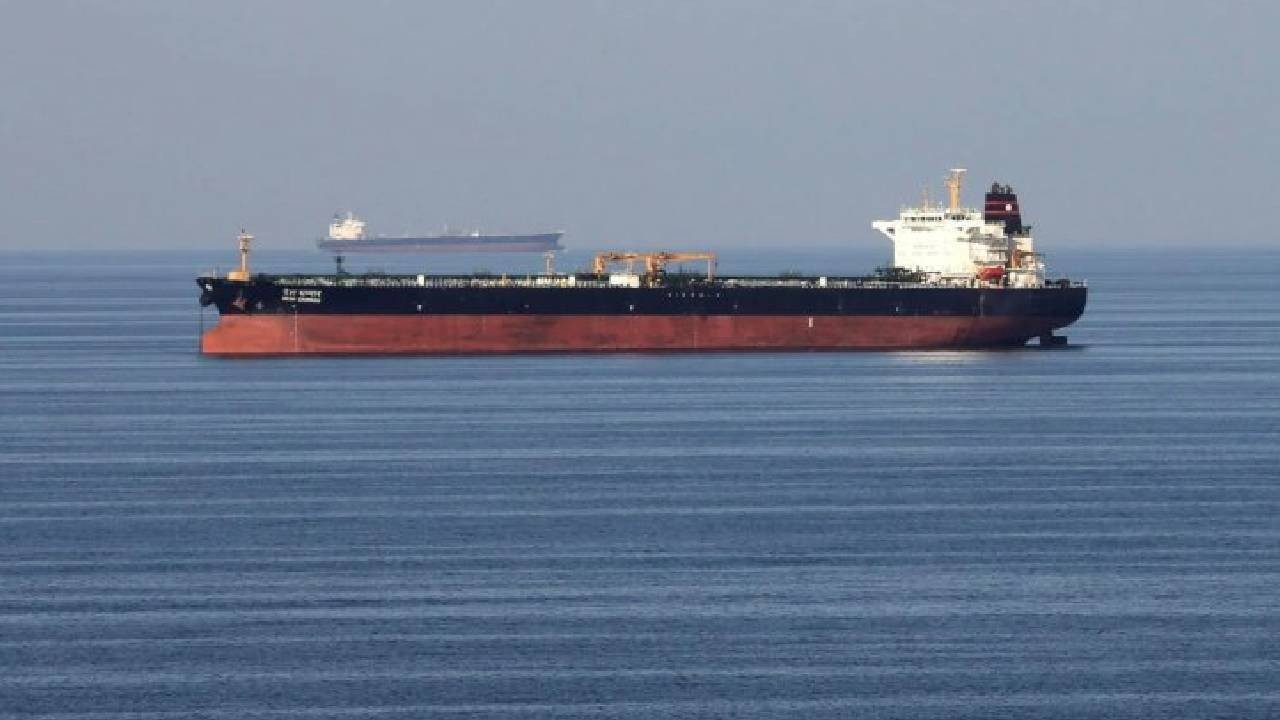
Global crude oil shipping and transport costs witnessed a sharp rise over the past year, doubling about sevenfold, affected by escalating geopolitical tensions in the Middle East region. A recent report issued by Goldman Sachs Bank explained that the average cost of transporting a barrel of oil jumped from levels of $3 to reach more than $20.
Reasons for rising shipping costs
This record increase is attributed to a set of factors that directly affected supply chains. The risks resulting from tensions in the Strait of Hormuz contributed about $7 additional to the cost of a single barrel, while fuel price fluctuations led to an increase of $4, and ship-to-ship oil transfer operations contributed a similar share of $4 as well.
Repercussions of the crisis on energy markets
Bank analysts pointed out that rising shipping costs represent upward pressure on Brent crude prices. Potential risks that could affect prices include intensified attacks on ships, potential damage to energy infrastructure, in addition to the persistence of geopolitical risks for a long period.
Despite these logistical challenges, Goldman Sachs' baseline estimates indicate that Brent crude prices may drop to reach $90 per barrel by the end of the year. The report also warned that high costs may prompt refineries to reduce overall demand for crude, which in turn may lead to fundamental changes in global oil trade routes as companies head towards geographically closer suppliers.


