Written by: Suhaib Shams
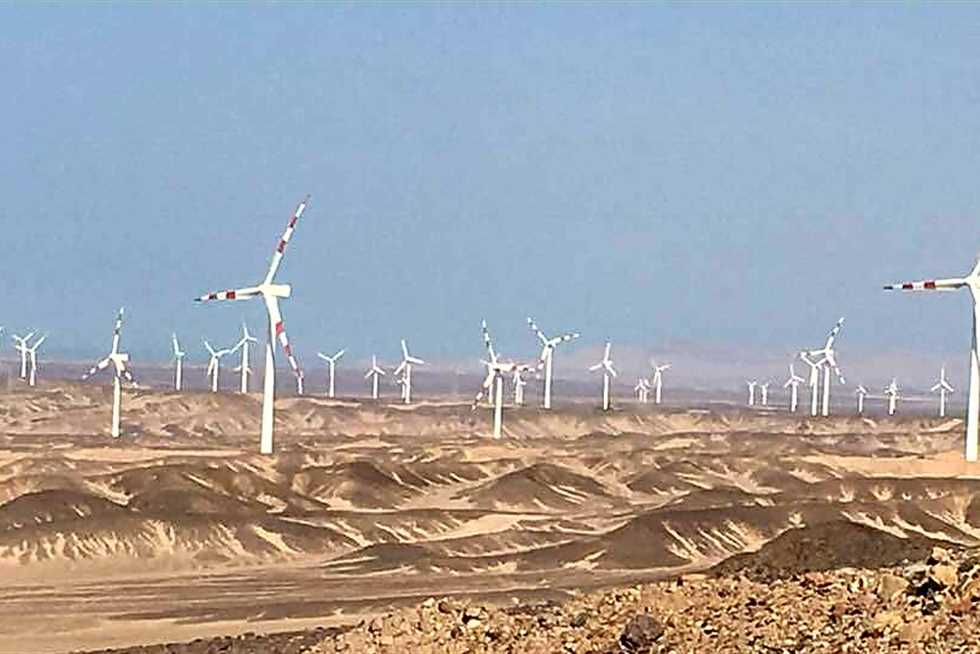
Official efforts in Egypt's energy sector continue on their path toward enhancing reliance on renewable and clean energy sources, in a strategic step that contributes to reshaping the electricity production map and meeting the growing demand for energy in the coming years. In this context, an official announcement emerged targeting to raise the renewable energy participation rate to forty-five percent by the year two thousand and twenty-eight, which reflects a growing ambition to maximize the utilization of available natural resources, especially solar and wind energy with which the country abounds.
The Importance of the Shift Toward Clean Energy and Green Transition
This strategic orientation reflects the state's keenness to diversify electricity generation sources and gradually reduce dependence on traditional fossil fuels, which aligns perfectly with global and regional trends aimed at reducing carbon emissions and confronting climate change challenges. These ambitious plans rely mainly on attracting new investment partnerships and facilitating private sector participation in implementing major green energy projects that form the backbone of the sustainable energy future.
Supporting Sustainable Development and Reducing Carbon Emissions
Raising renewable energy targets contributes to achieving long-term economic and environmental returns, most notably saving massive quantities of traditional fuel such as natural gas to be utilized in other industrial sectors or for export, in addition to enhancing the efficiency of electricity transmission and distribution networks to keep pace with urban and industrial expansion. These policies represent a fundamental pillar for achieving the sustainable development vision, and supporting the national economy by building a more flexible, sustainable energy sector capable of facing future variables with high efficiency.