Written by: Salma El-Sakka
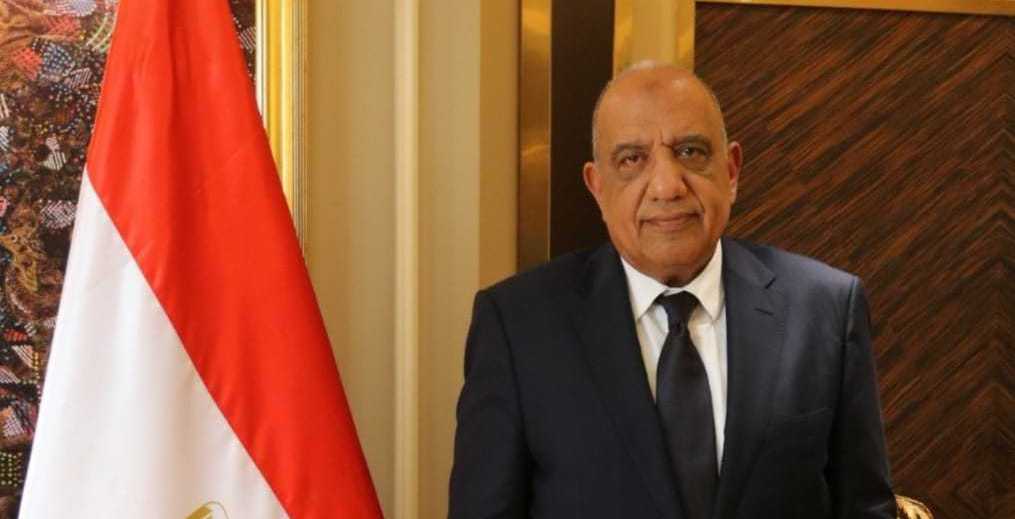
Dr. Mahmoud Esmat, Minister of Electricity and Renewable Energy, reviewed the huge volume of investments pumped by the state into the electricity sector since 2014, which amounted to about 5 trillion pounds. This figure reflects a comprehensive strategic vision aimed at developing energy infrastructure as the fundamental pillar of economic development and national security in Egypt, as the sector received unprecedented support to ensure meeting the needs of growing population and industrial growth.
This announcement came during the minister's participation in the "Energy Journey" session within the activities of the Egypt 2026 Forum, where he shed light on the efforts made to enhance the efficiency of the electricity grid, scenarios for dealing with energy challenges, and the state's plans to expand renewable energy projects and enhance electrical interconnection with neighboring countries.
Distribution of Investments in the Electricity Sector
The minister explained that the financial allocations directed to the sector were carefully distributed across various fields; electricity production projects from thermal and renewable sources received the largest share of about 2.7 trillion pounds. The Dabaa nuclear power plant project also comes as one of the most important strategic pillars for Egypt's energy future with investments amounting to 1.6 trillion pounds. On the infrastructure side of the networks, 646 billion pounds were allocated to the electricity transmission sector to ensure supply stability, in addition to 110 billion pounds for developing and upgrading the efficiency of distribution networks in various governorates.
Production Capacities and Transition towards Clean Energy
The Egyptian electricity grid witnessed a qualitative leap; the current installed nominal capacities reached 64.4 gigawatts. The state is paying increasing attention to clean energy, as renewable energy capacities reached 10.5 gigawatts, supported by about 1.1 gigawatts of energy storage battery technologies, which reflects the serious direction towards reducing carbon emissions and reducing reliance on traditional fuel.
The ministry aims in the next phase to accelerate the pace of implementing renewable energy projects by expanding the participation of the private sector, which contributes to creating a stimulating investment environment that supports the state's orientation towards sustainability and achieving energy security for future generations.