Written by: Fatima Younes
Relations between the United States and Ukraine are witnessing a state of escalating tension, resulting from divergent views on intelligence sharing, the imposition of sanctions, Ukrainian attacks targeting the Russian energy sector, and different paths proposed for achieving sustainable peace.
Disputes over targeting Russian energy facilities
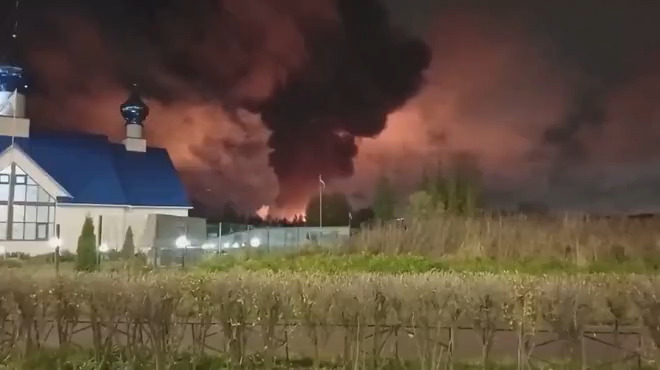
In the context of field escalation, Ukraine launched a large-scale drone attack targeting a major oil terminal in Russia, a move that came in defiance of US President Donald Trump's demands to stop targeting Russian oil refineries. These attacks come at a time when the US administration is seeking to ease pressures on domestic oil and diesel prices, as diesel prices are recording record levels.
Trump described the Ukrainian attacks on Russian oil refineries as inappropriate behavior, pointing to the difficulty of dealing with Ukrainian leader Volodymyr Zelensky compared to Russian President Vladimir Putin. In response, Zelensky emphasized the importance of having partners who are characterized by clarity and transparency in their dealings.
Diplomatic efforts amidst lack of trust
Despite the mutual distrust, diplomatic communications continue; Zelensky indicated ongoing contact with US envoys, including Steve Witkoff and Jared Kushner, with the goal of seeking peace. Meetings are scheduled in Oslo, Norway, to discuss these efforts.
For his part, Trump explained that he is working to negotiate for peace, confirming his desire not to take actions that might push Russia away from the negotiating table. Recent US concessions regarding sanctions, such as allowing the export of Russian diesel, were considered by Zelensky as strengthening Putin's position in the war despite Russian field failures.
Intelligence and military challenges
Ukraine faces growing concerns regarding the decline of intelligence support, as Zelensky pointed to restrictions on satellite systems like 'Starlink' affecting the speed of drones, describing this as a message from the US government. He also expressed concern about not receiving early warnings of Russian ballistic missile attacks, which is vital for protecting civilian infrastructure.
Regarding international movements, a state of anxiety prevailed in Kyiv and Europe over the possibility of holding tripartite meetings involving the United States, China, and Russia to reach a settlement without Ukrainian participation, which Kyiv sees as a step that might encourage Russia to continue the war instead of ending it.


