Written by: Ahmed Abdel Salam
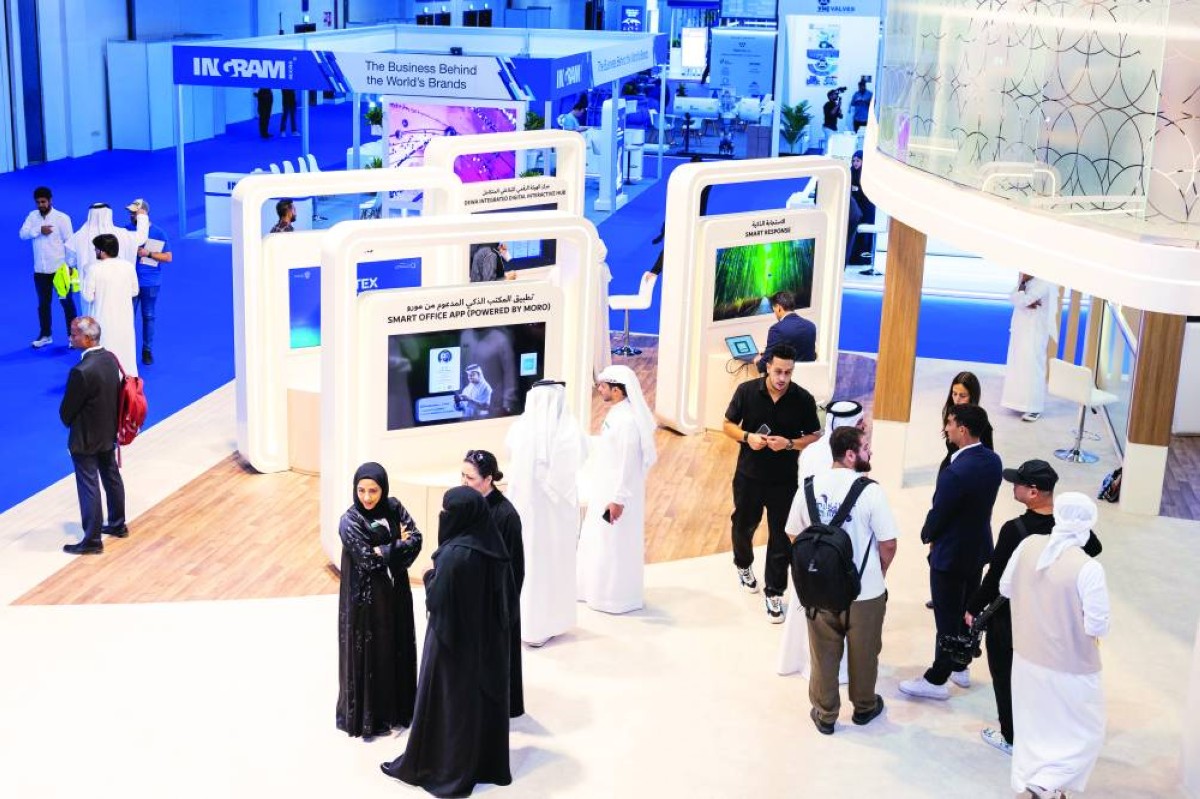
Dubai Electricity and Water Authority (DEWA) showcased a comprehensive range of its most prominent projects, initiatives, and innovative solutions, highlighting its leading experience in implementing major projects to diversify energy production sources. These efforts come within the framework of the Dubai Clean Energy Strategy 2050 and the Net Zero 2050 Strategy, which aim to provide 100% of the energy production capacity in Dubai from clean sources by the middle of the next decade.
Global Achievements in Network Efficiency
The Authority highlighted its global superiority by ranking first in 13 key indicators, recording the lowest electricity interruption duration globally with an average of 0.82 minutes per year per customer. The Authority also achieved high efficiency in electricity transmission and distribution networks with a loss rate of only 2%, the lowest rate globally, while the loss rate in water networks reached 4.4%, reflecting the stability and reliability of the electricity system in Dubai, which exceeded 99.99%.
Expansions in Solar Energy and Green Hydrogen
The displays included advanced models of energy projects, including the seventh phase of the Mohammed bin Rashid Al Maktoum Solar Park, which will include photovoltaic systems with a capacity of 2,000 megawatts and battery storage systems with a capacity of 1,400 megawatts. The first green hydrogen project of its kind in the MENA region was also showcased, which uses solar energy to produce hydrogen, in addition to the Hassyan water desalination project, which is considered one of the largest global projects using reverse osmosis technology with a production capacity of up to 180 million gallons per day.
Innovation and AI in Resource Management
The Authority has employed artificial intelligence technologies in its operations, through projects such as the smart control system for gas turbines, and the AI-supported knowledge center for energy transmission. "Digital DEWA" also stands out as a technical arm through the "Moro" data center, which is the world's largest solar-powered data center. In terms of transport sustainability, the Authority provides a wide network of electric vehicle charging points through the Green Charger initiative, which includes more than 2,800 charging points across Dubai.
Space Technology and Scientific Research
The Authority has utilized space technologies through the "Space-D" program and the nano-satellites "DEWA-SAT 1" and "DEWA-SAT 2" to improve the performance of electricity and water networks. In the field of research and development, the Authority's Research and Development Center has achieved significant scientific accomplishments, publishing hundreds of research papers and registering dozens of patents in the fields of solar energy, water, artificial intelligence, and 3D printing, consolidating Dubai's position as a hub for technical innovation in the energy sector.