Written by: Ahmed Abdel Salam
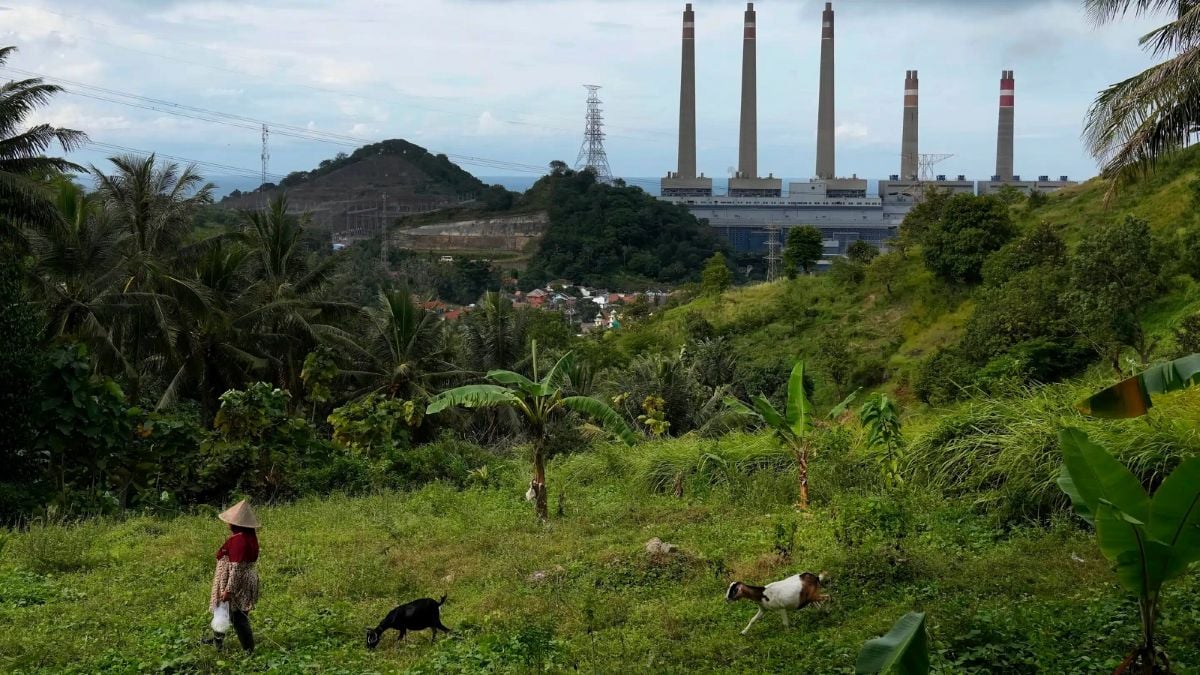
Indonesia's plans to mix biomass, especially wood, with coal in power plants are facing widespread criticism for potentially causing severe harm to the climate rather than helping it, amid growing fears of worsening rates of deforestation in biodiversity-rich tropical forests.
Co-firing mechanisms and their dual impacts
Indonesia's plan relies on mixing small amounts of wood or other plant materials, such as wood chips and fibers, with burned coal in dozens of power plants, as part of efforts to reduce emissions and achieve a share of renewable energy sources within the national energy mix. Although the added percentage is mostly negligible and does not require a major modification in operational mechanisms, critics point out that this method gives old coal plants an excuse to continue operating for a longer period.
Estimates indicate that this policy may lead to counterproductive results regarding emission reduction efforts, as it contributes to keeping traditional fleets operational for additional years compared to a genuine phase-out of coal, thereby prolonging the life of carbon emissions and delaying reliance on truly renewable energies such as solar and wind power.
Direct threats to tropical forests
Achieving the co-firing mandate in Indonesia requires millions of tons of wood pellets annually, which puts immense pressure on diverse tropical forests that already face the dangers of mining and palm oil plantations. Multiple assessments indicate that high demand may cause devastating losses to vast areas of virgin forests in the regions where wood is collected to fuel those plants.
While companies and the forestry sector assert that wood is extracted from forests dedicated to energy production and fast-growing trees, research indicates that wide parts of those lands still contain undisturbed or damaged tropical forests, raising serious questions about the sustainability of these sources and the volume of emissions resulting from land clearing and pellet manufacturing.
Wide-scale repercussions at both local and international levels
Major companies known for their history of deforestation benefit from government facilities and rules converting timber licenses into energy plantations, while a large part of these products is exported to other countries such as Japan and South Korea to achieve their own clean energy targets. Experts emphasize that real solutions to reduce emissions lie in gradually closing coal plants rather than supplying them with more wood fuel under a misleading green cover.