Written by: Salma Al-Saqqa
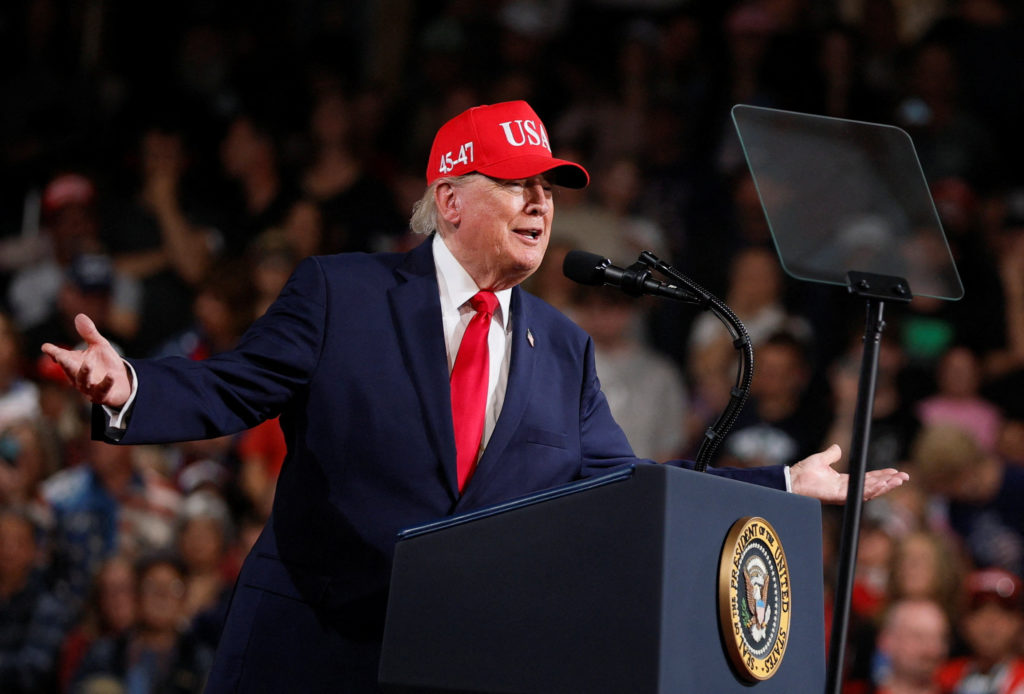
US President Donald Trump has leveled direct accusations at Iran, pointing to its deliberate attempt to raise global oil prices at a sensitive time preceding the upcoming congressional elections. Trump explained that Tehran is working to increase costs for the American consumer by spreading reports about naval attacks and sabotage aimed at destabilizing international markets.
Economic pressures and rising energy costs
These moves come at a time when the US economy is facing significant pressure due to rising gasoline and diesel prices, despite ongoing attempts to control inflation rates in the energy sector. These statements coincided with global anxiety regarding the disruption of energy supplies in the Middle East and the declining efficiency of some international refineries, which could affect the mood of American voters who are facing increasing financial burdens at fuel stations.
Impact of rising fuel prices on markets
Recent data showed that the average price of gasoline in the United States recorded notable jumps compared to last year's levels, doubling the pressure on household budgets. The American Automobile Association indicated that fuel prices remain at high levels, especially diesel, which has caused an increase in shipping costs and the distribution of basic goods and services, leading to a state of public discontent, making the energy file one of the most prominent issues occupying public opinion before the elections.
Government measures to address the supply crisis
As part of an attempt to mitigate the crisis, the Trump administration launched a package of precautionary measures that included tax relief and expanding the use of alternative fuels, in addition to easing restrictions on diesel imports to compensate for the local shortage and providing financial support to farmers. However, estimates indicate that these measures may provide limited amounts of supply and will not be sufficient to bring about a radical change in market prices before the polling date.
Supply chain and global navigation challenges
The diesel market is facing complex challenges due to damages sustained by some oil facilities in the Middle East and Russia, and concerns are escalating with the approach of winter and the increased demand for heating fuel in conjunction with the decline in strategic reserves. Stable navigation through the Strait of Hormuz remains a fundamental pillar for ensuring energy flows, in light of the crisis's repercussions, which extend to include slowing supply chains and increasing global industrial production costs.


