Written by: Fatma Younes
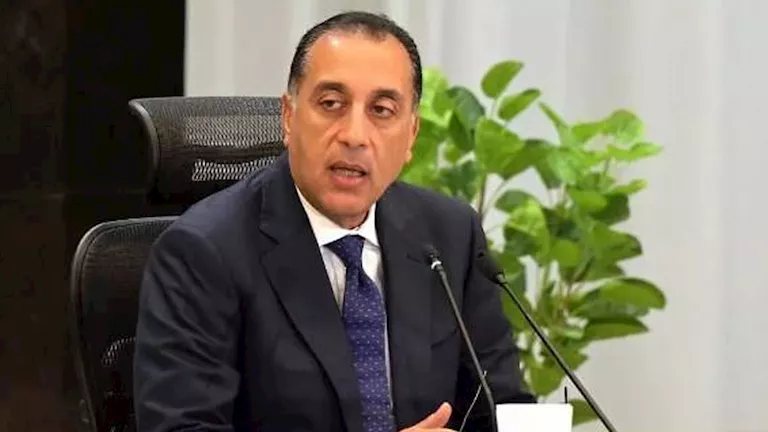
Prime Minister Dr. Mostafa Madbouly revealed the significant challenges facing the state due to the record rise in global oil prices, reaching about $110 per barrel, explaining that these exceptional circumstances place the government before difficult and complex choices to secure basic energy needs in light of global market fluctuations.
The Prime Minister's statements came during his participation in a discussion session as part of the Egypt Forum, attended by political leadership and a number of ministers and officials, where he highlighted the additional financial burdens resulting from global market tensions and geopolitical conditions that directly affected the cost of importing petroleum products.
Difficult options for the public budget
The Prime Minister explained that the state's public budget for the current fiscal year was prepared based on calculating the import price of a barrel of oil at about $75. However, current geopolitical data and shifts pushed prices far beyond this estimate, reaching $110 per barrel, which created a financing gap that requires careful and decisive action by the state.
Madbouly indicated that the government is studying three main alternatives to deal with this large difference in cost; the first alternative is to pass the potential increase to citizens, while the second alternative includes the state's public treasury bearing those differences in full, despite the limited financial resources available. The third alternative relates to resorting to borrowing to cover the oil import bill and settle urgent obligations, despite the debates this option raises regarding public debt levels.
Expanding renewable energy as a sustainable solution
In a related context, the Prime Minister pointed to the tireless efforts made by the state to reduce reliance on traditional fuel by enhancing the uses of new and renewable energy. He stressed that the government places at the top of its priorities achieving a gradual transformation in the national energy mix, aiming to reach a renewable energy contribution rate of about fifty percent of total uses by 2030, which contributes to reducing the import bill and achieving long-term economic sustainability.


