Written by: Karim Hammam
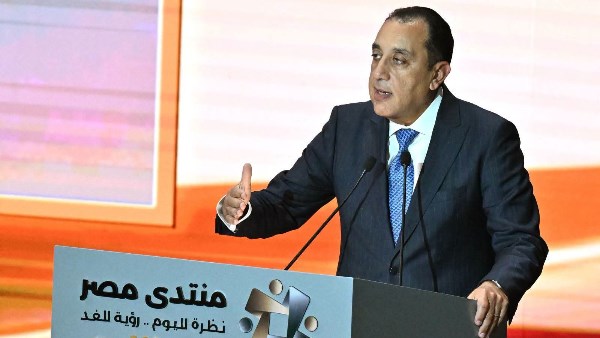
Prime Minister Dr. Mostafa Madbouly confirmed that the Egyptian state has chosen at the current stage to bear the financial burden resulting from the significant global rise in energy prices, in order to avoid imposing any additional burdens on citizens amidst the current economic conditions. He explained that this decision came after careful study of all available alternatives to deal with the continuous increase in the cost of providing fuel and gas.
The Prime Minister added that the state’s general budget for the current fiscal year was based on an estimated oil price of $75 per barrel, while the actual price has exceeded the $110 barrier, which imposes enormous and additional financial pressures on the general budget, requiring careful management of available resources.
Scenarios for dealing with the global energy crisis
The Prime Minister explained that the government has carefully studied three main scenarios for dealing with the challenges resulting from rising energy prices. The first scenario is to pass the full increase to citizens by raising prices, a path taken by other countries. The second scenario is for the state to bear the cost difference for a temporary period, an option that may lead to an increase in public debt if borrowing is resorted to to cover the deficit.
Regarding the third scenario, Madbouly indicated that it involves strict adherence to the financial allocations specified in advance in the general budget, and purchasing smaller quantities of petroleum products that are consistent with available resources. This option aims to meet only about 50 to 60 percent of total actual needs, which may impose complex challenges and procedures for dealing with supply shortages.
Balancing public fiscal stability and consumer protection
The Prime Minister stressed that the government's decision to bear the cost difference reflects its complete commitment to protecting citizens from the direct repercussions of rising global prices. He confirmed that managing the energy crisis necessarily requires achieving a delicate balance between meeting the country's basic needs, maintaining financial sustainability, and limiting the inflationary effects of prices, while emphasizing the importance of being transparent with the public about all the facts and economic challenges presented.


