Written by: Basant El-Farmawy
Reports issued by the United Nations Environment Programme have confirmed that exceeding the global temperature rise threshold of 1.5 degrees Celsius above pre-industrial levels has become an inevitable reality, necessitating an urgent and strict reduction in greenhouse gas emissions to minimize the duration and extent of this overshoot and to return to the stated limit by the end of the century.
This annual release comes just before the launch of the United Nations Climate Conference in Antalya, Turkey, highlighting the significant gap between countries' current commitments and the policies required to curb global warming in accordance with the Paris Agreement.
Emission Reduction Scenarios and Dealing with Limit Exceedance
The report points to what is known as the "minimum overshoot scenario," which assumes that peak warming in the middle of this century will remain between 1.7 and 1.8 degrees Celsius, with the possibility of returning temperatures to 1.5 degrees Celsius or less by the year 2100 with a probability of about 50 percent. To achieve this goal, it requires reducing greenhouse gas emissions by incremental rates reaching one-eighth by 2030, and more than half by 2035, compared to current mid-decade levels.
In contrast, the full implementation of nationally determined contributions will achieve only minor reductions that are not commensurate with the scale of the current challenge, reflecting a real gap in international leadership and policies needed to accelerate the transition toward clean energy and abandoning fossil fuels.
International Calls for Faster and More Decisive Steps
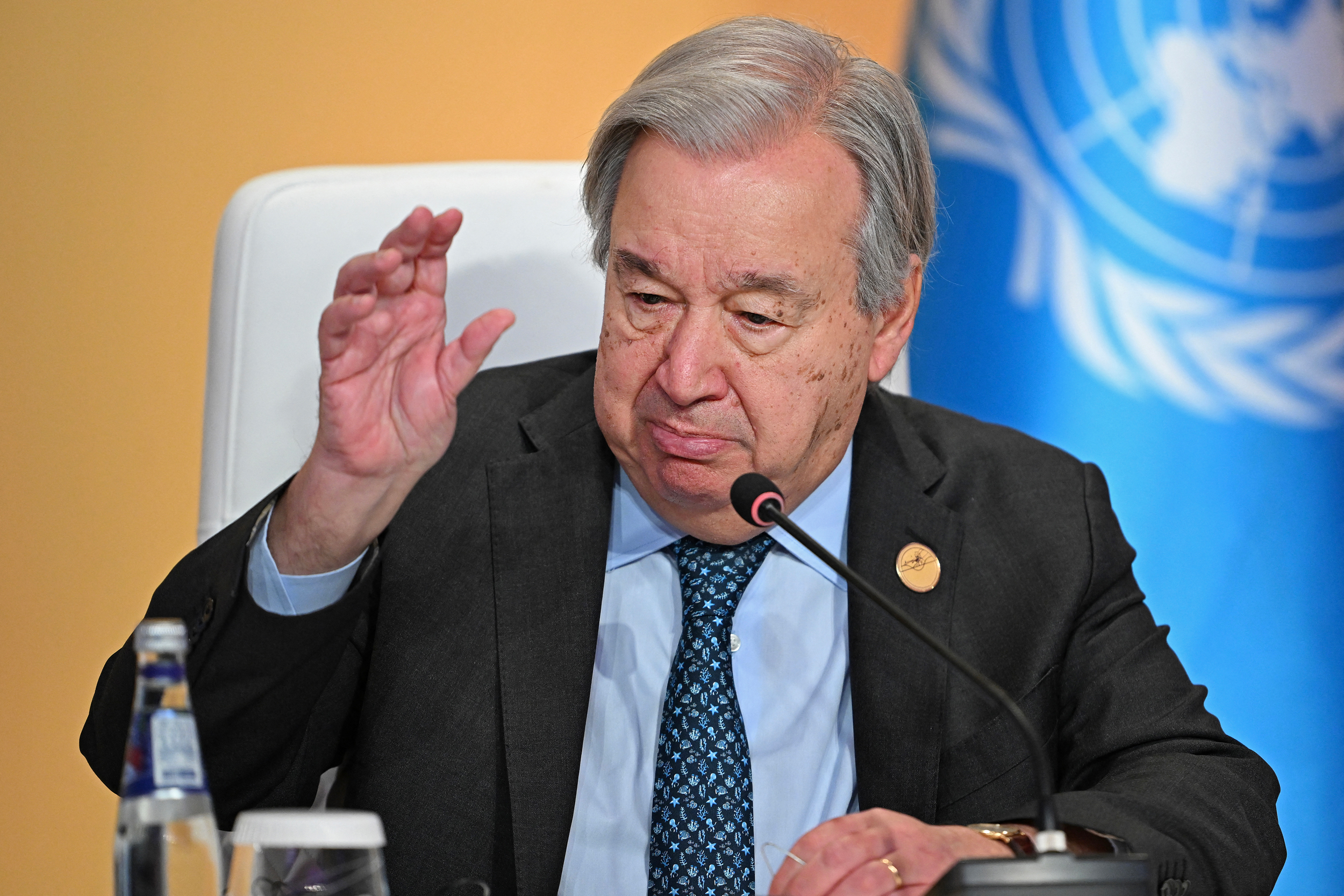
United Nations Secretary-General António Guterres emphasized that exceeding the temperature threshold does not mean surrender, calling on governments to accelerate the pace of climate action, enhance energy efficiency, stop deforestation, and limit methane emissions. He pointed out that the human and environmental costs of delaying these actions are clearly manifested in recurring climate disasters.
For her part, Inger Andersen, Executive Director of the United Nations Environment Programme, explained that there are successful models that prove countries' ability to reduce emissions quickly, provided there is political will to implement policies that support climate stability and global economies.

