Written by: Salma El-Saqqa
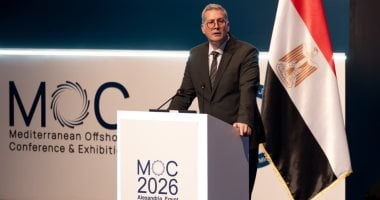
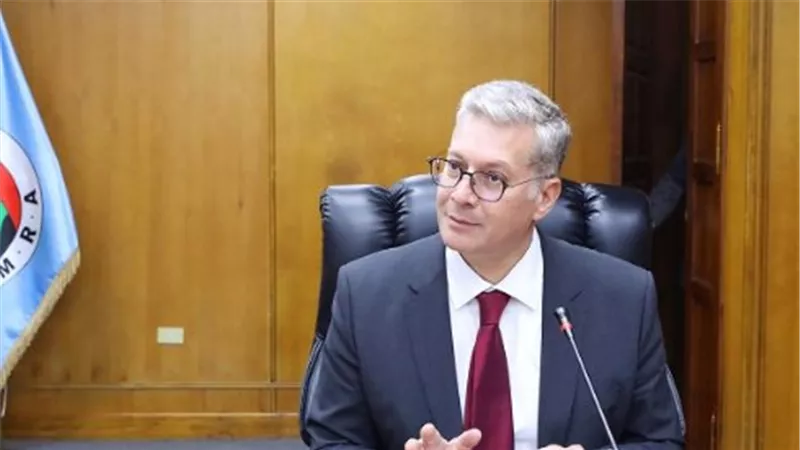
Engineer Karim Badawi, Minister of Petroleum and Mineral Resources, confirmed that the mass transit sector has witnessed remarkable developments during the past period, pointing to the possibility of expanding the use of transport means that do not rely on traditional fuel, in a way that achieves benefits for citizens and contributes to rationalizing energy consumption and supporting the state's efforts to deal with increasing consumption needs.
Importance of paying foreign partners' dues
The Minister of Petroleum explained that paying the dues of foreign partners represents a key factor in supporting production, indicating that had it not been for the payment of these dues, the production decline, which reached about 2.2 billion cubic feet, would have continued. These statements highlight the role of regular payment of dues in maintaining continued cooperation with foreign partners in the oil and natural gas sector.
Providing gas supplies to vital sectors
The Minister stressed that providing natural gas supplies was necessary to enable the state to meet the needs of power plants, homes, and factories, supporting the stability of energy supplies and the continuity of services provided to citizens. Natural gas plays a pivotal role in meeting the requirements of these vital sectors to ensure their continued operation.
Petroleum sector work axes and methods of energy rationalization
The statements combine two main axes: rationalizing energy consumption through expanding mass transit means alternative to traditional fuel, and supporting natural gas production and providing supplies to the local market by paying dues. These efforts come in the context of enhancing resource use efficiency, ensuring the stability of the energy system, and meeting the needs of economic sectors.