Written by: Basant El-Farmawy
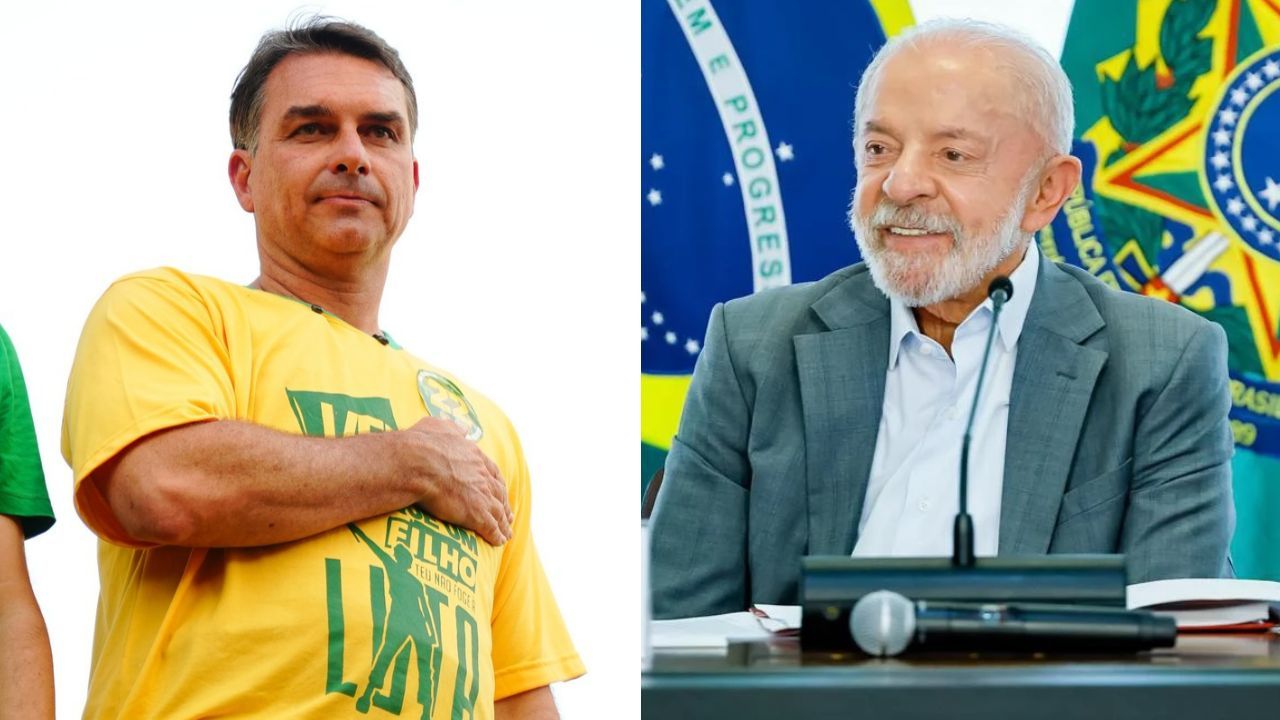
The Brazilian presidential elections are witnessing intense competition, with both President Luiz Inácio Lula da Silva and Senator Flavio Bolsonaro presenting divergent electoral programs to address environmental issues and energy challenges for the period between 2027 and 2030. While both parties agree on the importance of preserving forests and exploiting natural resources, fundamental differences emerge regarding oversight mechanisms, environmental goals, and the role of the state in strategic investments.
Forest and Climate Conservation Plans
President Lula da Silva sets a goal of reaching "net zero" deforestation by 2030, with a focus on restoring degraded areas, strengthening environmental oversight, and expanding natural reserves and indigenous lands. In contrast, Flavio Bolsonaro's program focuses on eliminating illegal deforestation by 2029, relying heavily on technology and artificial intelligence to enhance oversight without imposing new burdens on law-abiding agricultural producers.
Energy Strategies and Fossil Fuels
In the energy dossier, both parties support the exploration of the Equatorial Margin, where Lula sees it as a "new wealth" that could fund the energy transition, while Bolsonaro promises to accelerate exploration to boost federal revenues and attract investment. Bolsonaro proposes incorporating technologies such as hydraulic fracturing (fracking) for gas extraction, which raises reservations among environmental experts, while Lula focuses on expanding renewable sources while maintaining oil and gas investments as a component to ensure energy security during the transition phase.
Expert Stance on Environmental Trends
Environmental specialists point to a contrast in general philosophy; Lula tends to link environmental policy to climate planning and social justice, while Bolsonaro focuses on making the environment an "economic asset" through the carbon market and bio-growth. Experts express concern regarding the proposals to simplify environmental licensing put forward by Bolsonaro's team, warning of the potential for weak oversight on major projects, and confirming that the success of any plan depends primarily on the existence of measurable goals, clear budgets, and strict executive mechanisms that ensure the protection of biodiversity in parallel with economic development.


