Written by: Salma El-Saqqa
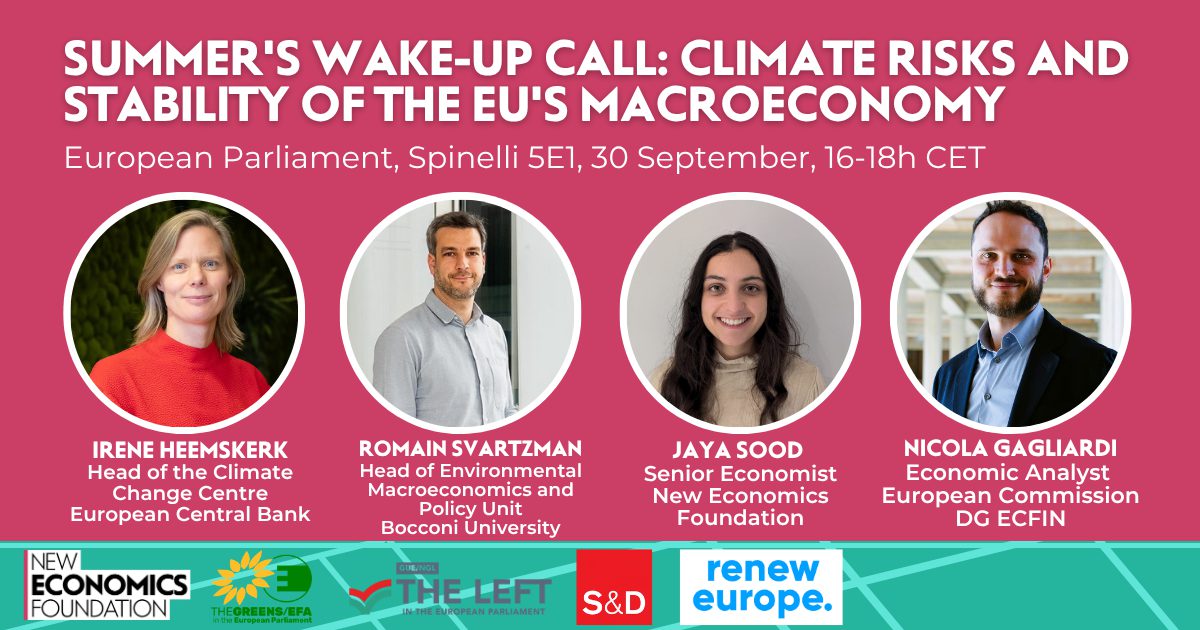
The European continent is facing unprecedented structural challenges due to the accelerating repercussions of climate change on macroeconomic stability and GDP growth. Concerns are mounting within economic and legislative circles about the impact of frequent climate shocks on the fundamental pillars of the European economic model, amidst calls for ambitious political transformations to protect the economy.
Impact of climate shocks on financial stability
Extreme natural climate phenomena, such as forest fires, droughts, and heavy rainfall, lead to direct losses in GDP, as well as exacerbating inflationary pressures and financial instability. These combined forces create a new economic environment that imposes strict constraints on both fiscal and monetary authorities.
With rising costs and increased pressure on naturally constrained public budgets, traditional monetary and fiscal tools are reaching their limits in ensuring price stability, requiring more flexible strategies and coordination processes to meet these escalating challenges.
The necessity of reformulating economic governance
EU economic governance frameworks continue to treat climate change often as a purely environmental issue, overlooking its status as a central threat to price stability and public finances in the long term. Current parliamentary and institutional discussions focus on the need to adopt a comprehensive reform agenda that directly addresses the economic and financial dimensions of climate change.
These discussions seek to assess the actual impact of climate risks on macroeconomic stability and to research the policies necessary to mitigate those risks and support financial systems to overcome intertwined environmental and economic crises.


