Written by: Ahmed Abdel Salam
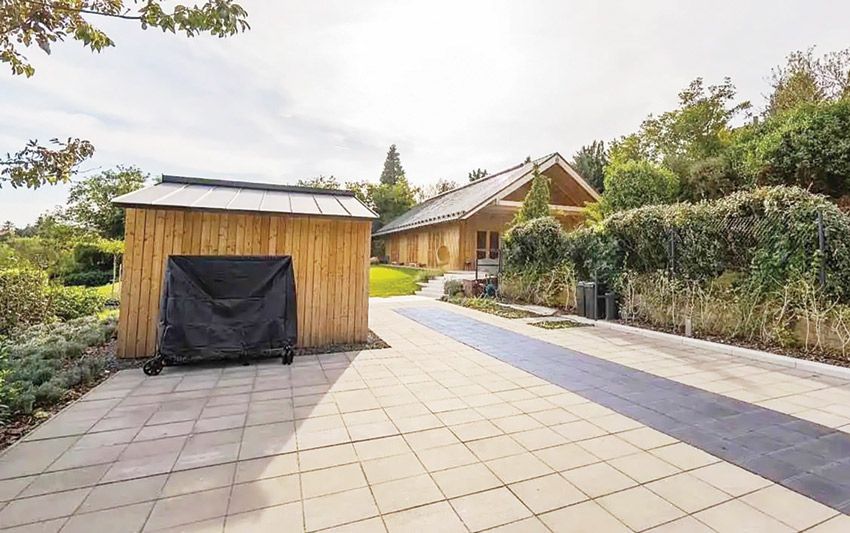
Many citizens across the European continent have resorted to converting their home entrances and backyards into small solar farms, in a move that reflects the accelerated shift toward adopting more independent and secure energy systems. This growing popular trend aims to reduce reliance on traditional grids and limit the impact of global energy market fluctuations on household budgets.
The latest analysis from renewable energy organizations indicates that geopolitical tensions related to the conflict and its repercussions on shipping traffic and energy supplies through vital corridors, most notably the Strait of Hormuz, have directly contributed to sharp spikes in global oil and gas prices, which in turn has reflected on energy bills for consumers.
The Role of Solar Energy in Reducing Import Costs
Economic data has shown that the expansion in adopting solar energy has succeeded in easing the burden of the fossil fuel price crisis, as European Union countries have managed to save huge sums estimated at billions of euros on gas imports that were dispensed with since the escalation of regional crises and their direct effects on international markets.
Despite these significant savings, electricity and gas bills still pose a major burden on households in many European countries, which has prompted citizens to seek self-sufficient solutions that ensure their financial stability and avoid unwanted surprises in traditional energy prices.
Notable Growth in Residential Installation Requests
Renewable energy companies have witnessed a clear surge in the volume of requests submitted by households for the installation of residential solar panels. Major companies specializing in this field have recorded very high growth rates in requests during the weeks following the start of regional crises, while other companies in the United Kingdom have monitored successive increases in interest levels and searches for solar energy solutions.
Engineering Innovations for Integrating Cells into Outdoor Spaces
The matter is no longer limited to the traditional roofs of buildings, but has extended to include modern innovations that allow the integration of solar panels into various areas of homes and gardens. Many startups are working to provide advanced solutions that include solar panels specifically designed to fit wooden flooring and outdoor spaces, with the goal of replacing traditional paving materials in urban spaces with clean technologies that generate electricity with high efficiency.