Written by: Basant El-Farmawy
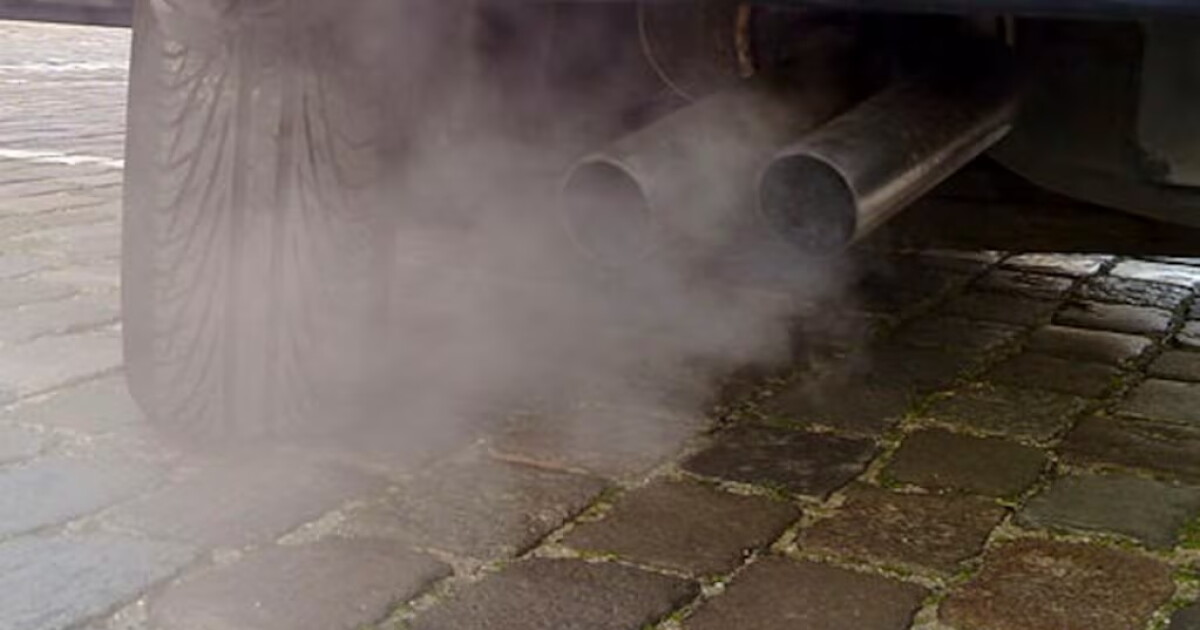
Efforts in the state of Oregon to reduce emissions from the transport sector have seen a sharp decline, as projections for emissions reductions by mid-century have fallen from 60% to just 10%. The transport sector represents the largest source of emissions in the state, contributing 35% of total overall emissions.
Reasons for the decline in climate targets
Recent reports attributed this significant decline to several key factors, most notably the reduction of federal funding allocated for climate action, the decline in support for the adoption of electric vehicles, and the lack of government funding allocated within the state. Federal decisions that revoked some emission regulations also hindered the path the state was taking.
Challenges of funding and local policies
The state has faced difficulties in maintaining the momentum achieved until 2024, when policies supported the shift toward electric vehicles through incentives and public charging stations. However, current programs suffer from a lack of sustainable funding, especially regarding the development of public transport, which limits the ability to encourage alternatives to individual driving. The incentive program for purchasing or leasing electric vehicles is also facing challenges due to the constant depletion of its allocated funding as a result of high demand.
Plans to restore the lost path
Government agencies have identified a set of actions that may help restore lost gains, including collaborating with other states to maintain fuel and vehicle standards through legal avenues, providing additional funding for incentive programs, and expanding public charging networks for electric vehicles. Despite these challenges, there remains an opportunity to achieve the goals by 2050 if serious steps are taken to overcome current obstacles.