Written by: Suhaib Shams
Global LNG markets are witnessing notable long-term transformations, characterized by falling price levels in conjunction with a significant growth in expected demand from major international buyers. In this context, key regions such as the European continent, along with vital markets like India and various parts of Asia, stand out as the primary drivers of future demand for these vital energy sources.
Market Dynamics and Global Demand
Global markets continue to react to supply and demand data, where long-term LNG contracts play a pivotal role in securing the needs of consumer nations. With prices declining relatively compared to previous periods that witnessed sharp fluctuations, Asian and European countries are finding favorable opportunities to strengthen supply contracts and ensure the stability of their energy sectors.
Major economies in Asia, led by India, are seeking to increase their reliance on LNG as a transitional fuel that supports energy diversification plans. Meanwhile, European countries continue to reshape their supply networks and enhance their strategic reserves, making long-term shipments a key option to ensure energy security and the continuity of economic activities.
The Role of Supply Chains and Maritime Transport
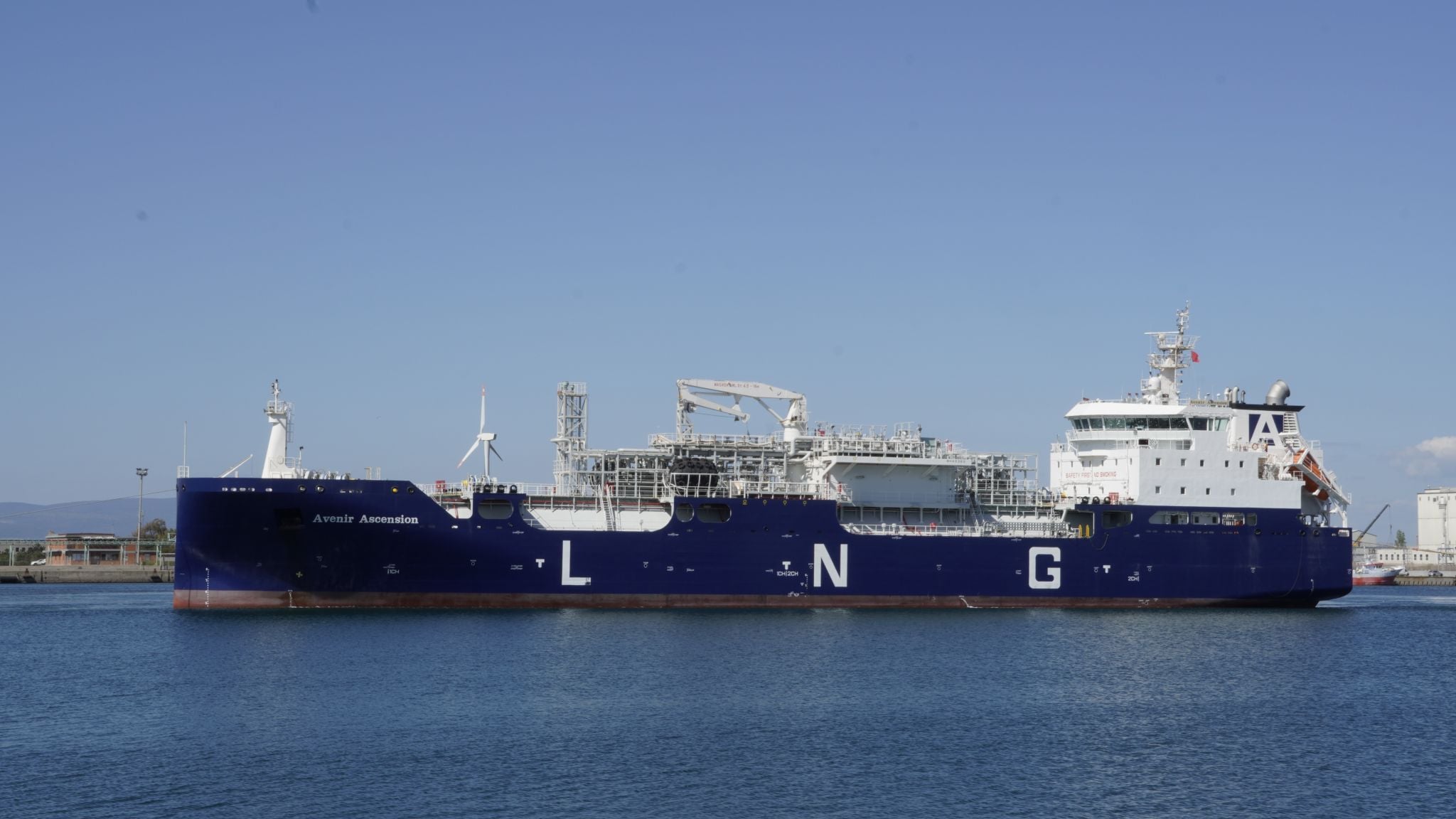
The sustainability of LNG flows depends on the efficiency of the maritime transport sector and modern tanker fleets. Companies specialized in operating gas carriers, such as GasLog, play an important operational role in connecting production centers with receiving and consumption terminals around the world. These fleets contribute to ensuring the flexibility of global trade movement and meeting growing needs in target markets with full reliability.
These market indicators support the stability of investment trends in the energy infrastructure sector, with a focus on developing liquefaction and export facilities and shipping capabilities to keep pace with the ongoing shifts in the international energy trade map.


