Written by: Basant El-Farmawy
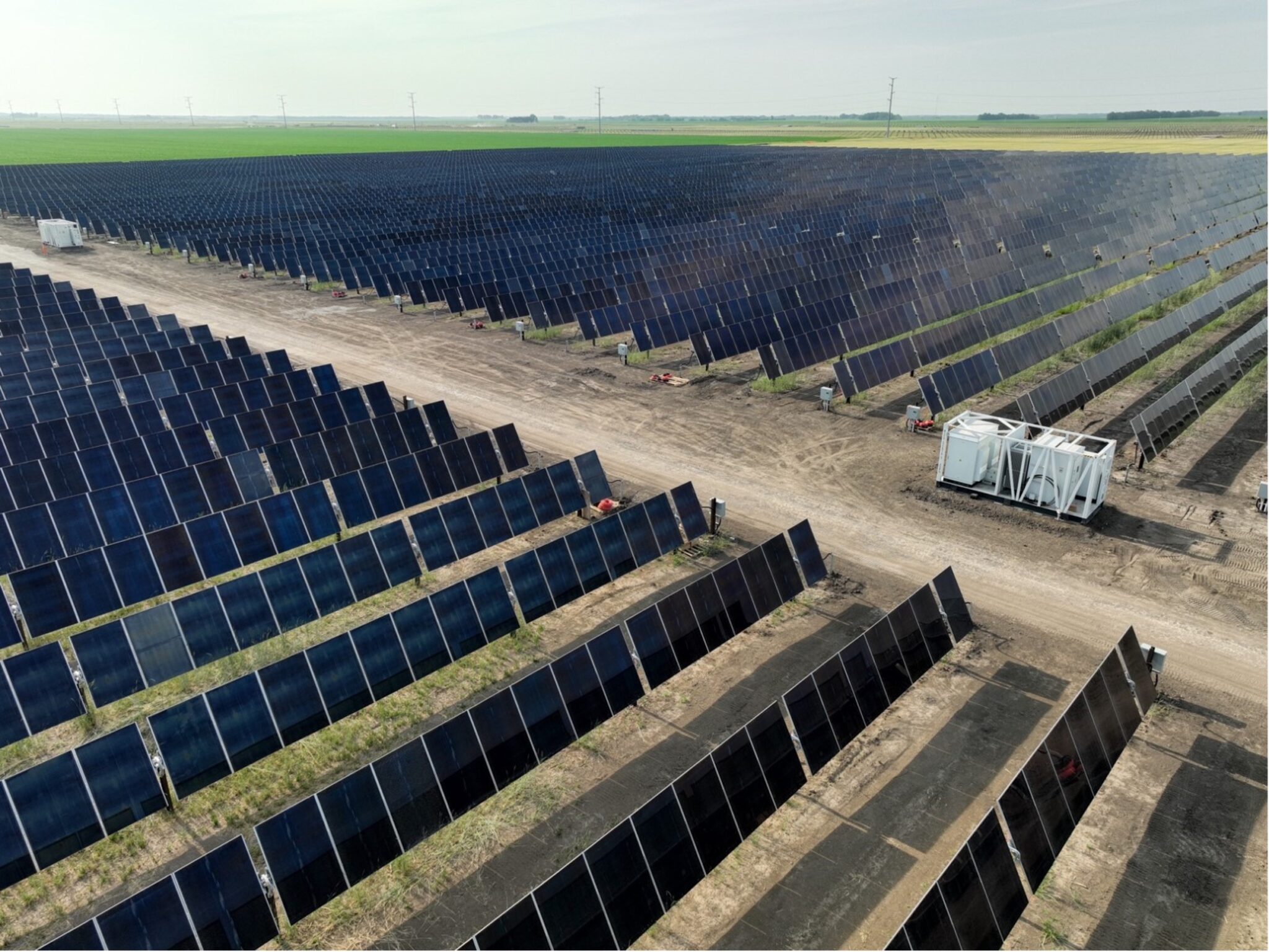
Swift Current Energy, a renewable energy project development company, has filed a lawsuit against First Solar in a New York state court, accusing it of supplying defective solar panels and using misleading testing methods to conceal fundamental performance issues. The lawsuit claims that First Solar supplied more than 2.4 million panels of the Series 6 Plus and Series 7 models across three major solar projects in the United States, including the 800-megawatt Double Black Diamond project in Illinois.
Details of the Dispute and Technical Claims
Swift Current Energy asserts that it paid more than $360 million for this equipment, which consistently failed to meet promised power production levels. The complaint indicates that the panels suffered from rapid degradation and lower-than-expected productivity immediately upon installation in 2023 and 2024. Among the defects mentioned is what is known as "edge-grinding defects," a manufacturing flaw previously acknowledged by First Solar, in addition to "substrate defects" which the lawsuit claims result from a change in the manufacturing process that began in 2021, affecting thin-film quality and the panels' power generation capacity.
Dispute Over Technical Solutions and Compensation
In response, First Solar countered that the complaint lacks sufficient description or tangible evidence of the alleged defects, asserting that productivity evaluation based on overall system data does not comply with its warranty terms. The company proposed conducting individual laboratory tests for the panels, an option Swift Current described as "commercially impossible" given the exorbitant cost and logistics required to ship more than 1.5 million panels.
Commercial and Legal Implications
These defects led to Swift Current's inability to fulfill its obligations to commercial buyers under power purchase agreements, as well as a loss of revenue from capacity contracts. The lawsuit also accuses First Solar of manipulating the declared power ratings of the panels through confidential "pre-conditioning" testing methods aimed at concealing stability losses under heat and voltage conditions. Legal deliberations in the case are set to continue, with the parties expected to appear before the court in November 2026 to discuss claims for damages and legal penalties related to intentional misconduct.