Written by: Fatima Younes
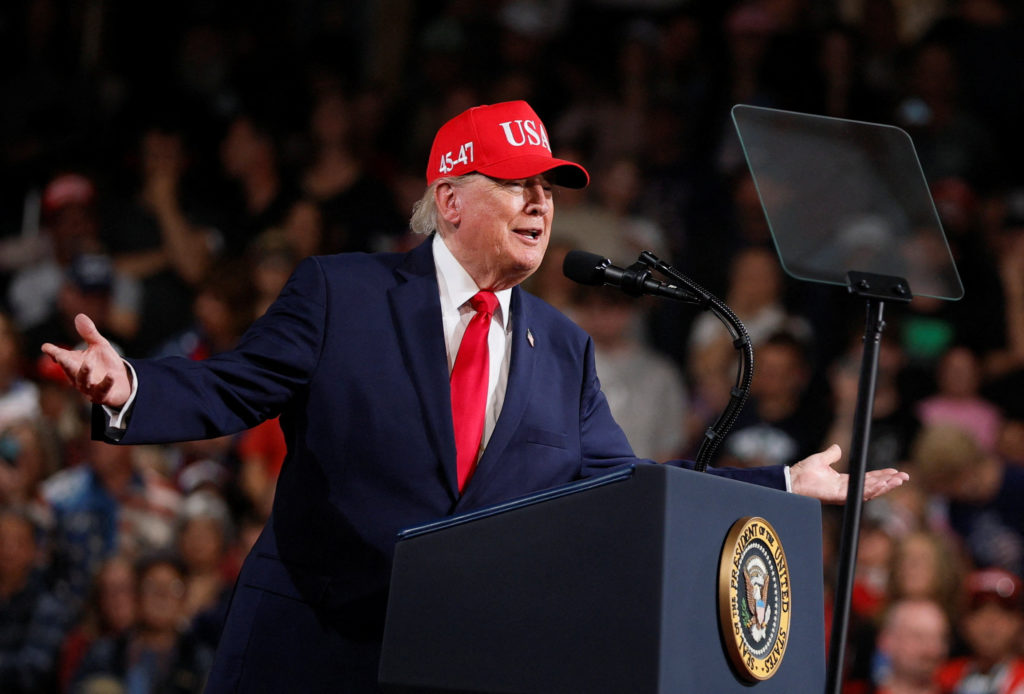
Global oil markets witnessed a decline in their latest transactions, as the price of a barrel of Brent crude fell by 2.2% to reach $107.34. This decline comes as markets anticipate a potential increase in Russian oil supplies, following decisions taken by US President Donald Trump to exempt Russia from certain sanctions and tariffs, which boosted expectations of abundant global supply in the coming period. In the same context, US West Texas Intermediate crude recorded $96.97 per barrel.
Supply outlook and OPEC impacts
The Organization of the Petroleum Exporting Countries' (OPEC) revision of its global demand outlook contributed to increasing negative pressure on prices. The organization lowered its estimates for global oil demand growth for 2026 to about 200,000 barrels per day, compared to its previous expectations in September which pointed to growth of 400,000 barrels per day. This adjustment comes amidst ongoing risks surrounding maritime traffic, particularly those associated with Iran and related groups.
Geopolitical tensions and their impact on markets
Concerns regarding supply security remain in the Middle East, where sporadic incidents have kept tensions at high levels, including a helicopter crash near the Saudi-Yemeni border, the Houthis' targeting of the vital Yanbu oil center, and British reports of two tankers being attacked in the Arabian Gulf. On the diplomatic front, efforts to find solutions to existing crises continue, as Iranian Foreign Minister Abbas Araghchi affirmed Tehran's openness to diplomacy while continuing to present a seven-stage plan, at a time when Donald Trump noted tangible progress in peace negotiations between Russia and Ukraine, while criticizing Ukrainian policies regarding the targeting of Russian refineries.
Technically, analysts are monitoring Brent crude price movements, as the $109.60 level is seen as a major resistance zone, while the $107.18 level represents a technical support zone that may influence the price path in the short term.


