Written by: Fatima Younes
A recent Finnish study has found that crystalline rocks could provide a promising alternative to traditional salt caverns for underground hydrogen storage, opening new horizons for regions where suitable salt formations are unavailable.
A joint research project to develop hydrogen storage
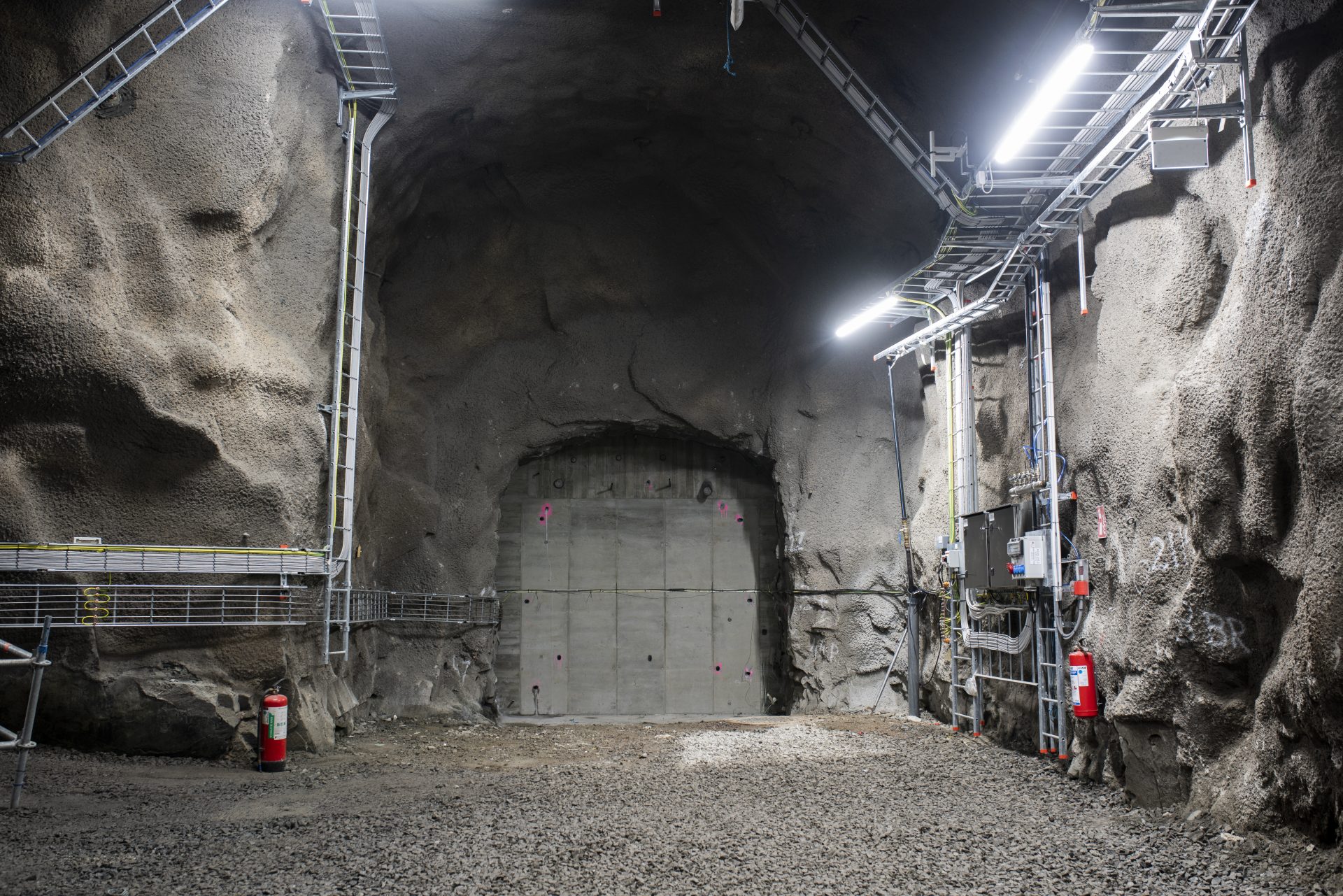
The "HUG" project, carried out by a consortium of 20 academic, engineering, industrial, and technological institutions in Finland, focused on studying the crystalline rocks common in Finland and Scandinavian countries for use as underground energy repositories.
Results showed that these rocks are capable of hosting hydrogen storage, though it requires innovative technical solutions to ensure gas tightness and prevent leaks. Researchers have developed a storage concept with an estimated cost of 30 million euros for a 40,000 cubic meter facility, equivalent to 33.6 million dollars.
Challenges and future prospects
The VTT Technical Research Centre of Finland acknowledged that there are several important technical, commercial, and regulatory considerations that still require further research and study before moving to large-scale commercial application.
Jutta Nyblom, a researcher at the center, explained that the coalition of companies and institutions is currently preparing for the next phase of research, which may include developing a pilot facility, without disclosing a specific timeline for this.
The urgent need for clean energy storage
Salt caverns are currently the most prominent and widespread solution for underground hydrogen storage, but the absence of these formations in vast regions has pushed many entities to seek alternatives. Previous research estimates suggest that the European energy system might need massive hydrogen storage capacities by 2050, reaching up to 297 terawatt-hours to balance seasonal demand resulting from renewable energy sources.
In light of these challenges, global efforts continue to develop alternative solutions, including research projects in Norway and Britain to support energy storage technologies and expand the infrastructure necessary for a future hydrogen economy.