Written by: Suhaib Shams
Global oil markets are witnessing a state of anticipation and caution, as prices recorded a slight decline after reaching their highest levels in the past five months. This price fluctuation comes at a time when investors are focusing entirely on geopolitical developments related to shipping through the Strait of Hormuz, which is considered the most vital artery for global energy supplies.
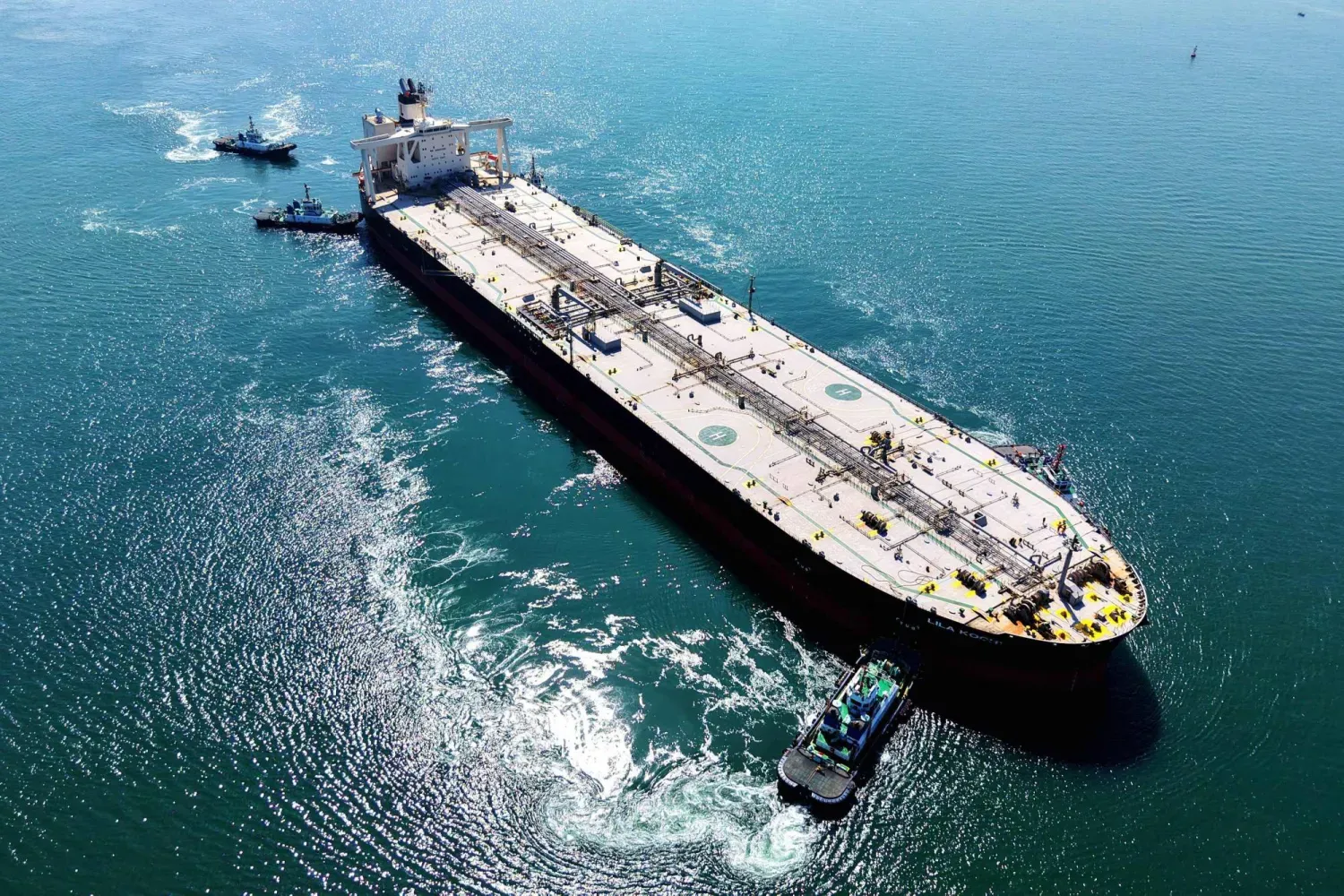
Despite the upward trend that has boosted crude prices recently, markets have entered a phase of price correction due to profit-taking, while continuing to assess risks surrounding supply chains. Sensitive waterways play a pivotal role in shaping oil price paths, as any indicators of potential tanker disruption or rising regional tensions lead to immediate fluctuations in crude futures prices, reflecting the markets' sensitivity to energy security.
The stability of energy markets relies heavily on the smooth flow of crude oil shipments from the Arabian Gulf region to international markets. Energy circles are closely monitoring any developments related to securing maritime navigation, in light of global economic challenges affecting supply and demand balances. Observers believe that markets will remain on alert for any security updates, as price expectations remain dependent on the stability of vital waterways and the ability of producing countries to ensure that supplies reach major markets without interruption. Price movements remain subject to rapid change as a result of real-time interaction with geopolitical data and strategic inventory levels around the world.


