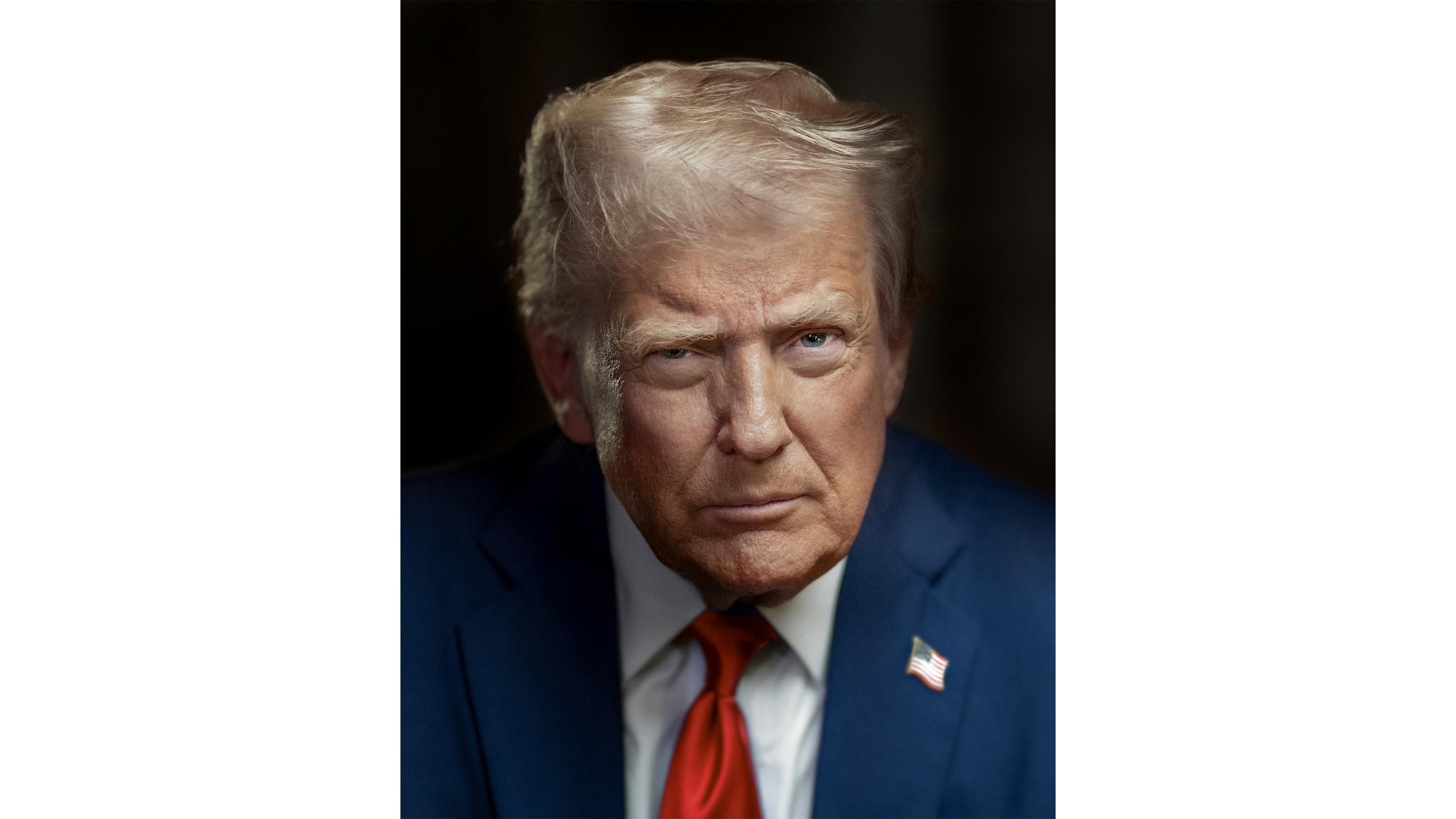
By: Suhaib Shams
Speculation is growing regarding the strategic plans that the upcoming US administration led by Donald Trump might adopt to deal with regional tensions, as the name of the Iranian "Kharg" Island has emerged as a key target in discussions about how to impact the Iranian economy. This island is considered the beating heart of Iran's oil industry, as it is used as a major terminal for exporting most of the country's crude oil production to global markets.
The Strategic Importance of Kharg Island
Kharg Island represents a vital fulcrum for Iran's oil infrastructure, as the vast majority of Iranian oil exports destined for abroad pass through it. Any plans targeting these facilities raise widespread concern in global energy market corridors, given the role these supplies play in the balance of supply and demand. Political and economic circles realize that tampering with this infrastructure could lead to direct disruptions in oil flows, which could result in sharp fluctuations in global fuel and energy prices.
Reflections of Tensions on Energy Markets
Raising the Kharg Island file within the framework of political and security plans puts energy markets before new challenges. The international community is closely monitoring any moves that could lead to tightening the noose on oil exports, as the direct impact of any escalation will not be limited to the Iranian economy alone, but will extend to affect the stability of global supply chains. Experts confirm that markets are highly sensitive to any threat targeting major export centers in the Gulf region, as any change in the security landscape could push oil prices toward unstable levels due to fears of supply shortages.
International monitoring continues for the proposals that may be put forward in the context of economic pressure policies, with a state of anticipation for how these trends will be translated into practical measures, and whether they will actually lead to a fundamental change in the regional and international energy map.


