Written by: Salma El-Sakka
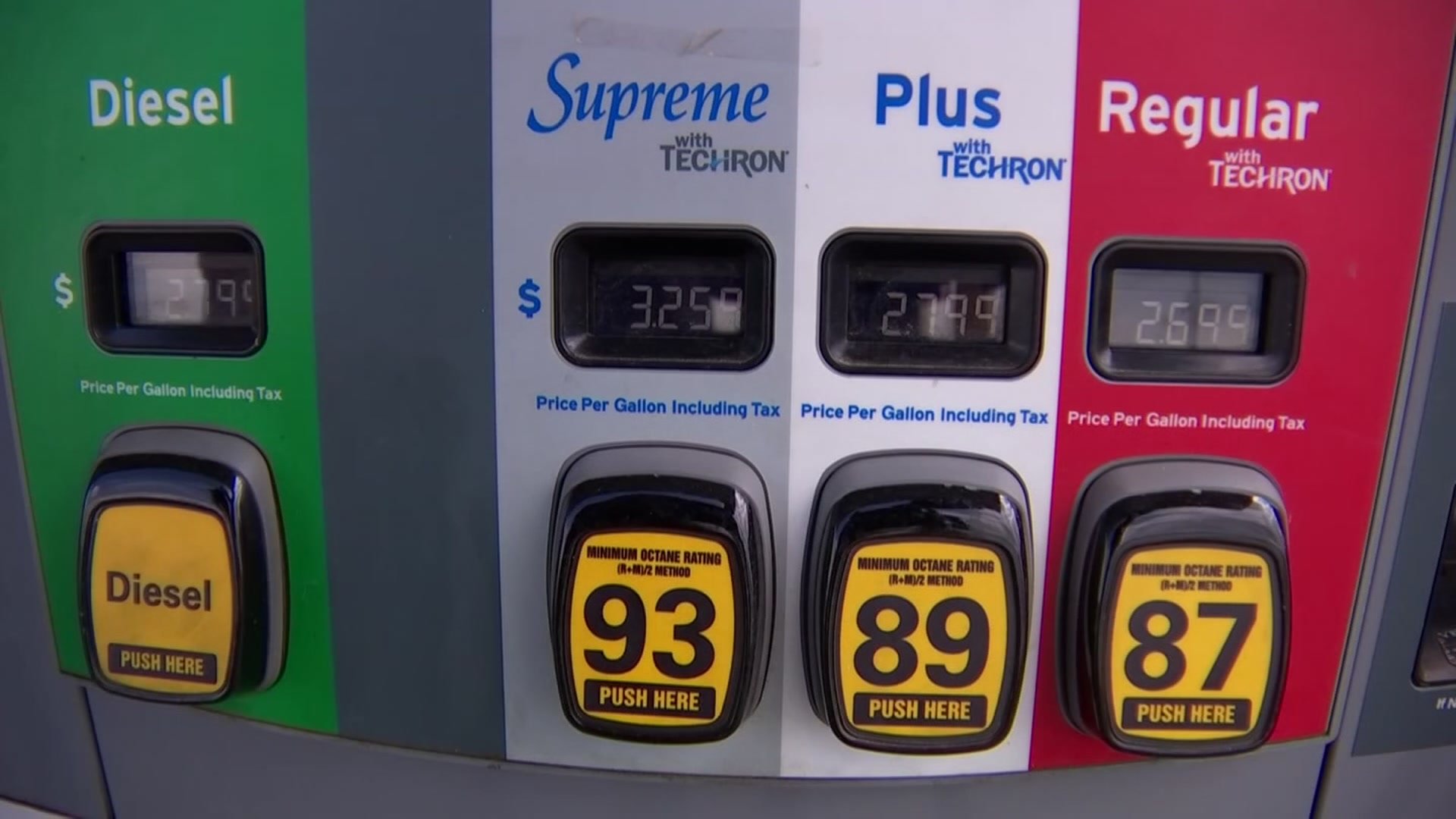
The US state of Florida witnessed limited and mixed impacts on fuel prices in the wake of Hurricane "Isaias" which recently hit the region. Despite concerns regarding supply chains, prices stabilized in most counties while the disparity between northern and southern regions continued, with the average price of a gallon of gasoline in the state reaching $4.08, recording a slight increase of no more than one cent compared to the previous week.
Supply Stability and Hurricane Impacts
Concurrently with the passage of the hurricane, oil and gas production operations in the Gulf of Mexico experienced temporary stoppages affecting about 70% of production, but the rapid return of workers to job sites contributed to containing any potential supply crises. Data shows a clear geographical disparity, as Escambia County recorded the lowest price levels at $3.85 per gallon, while prices rose in other areas east of the hurricane's path such as Washington County to reach $4.10.
Global Market Fluctuations and Prices
Estimates indicate that global oil market fluctuations play a greater role than the hurricane's impact in determining current fuel prices. Mark Jenkins, a spokesperson for "AAA", explained that oil prices which have returned to rise above the $100 per barrel level could lead to a new wave of price increases at fuel stations in the coming days. This comes at a time when diesel prices recorded a return to exceeding the $6 per gallon barrier in Florida after a short period of decline.
The local market in Florida is also witnessing a pattern of "price cycling," where station operators adjust prices to make up for lost revenues based on competition in neighboring markets. Compared to last year, prices are still recording high levels, as the average price per gallon was $2.90 in the same period of the previous year. In a related context, the cost of charging electric cars stabilized at 41 cents per kilowatt-hour at charging stations in Florida, the same level recorded since early last March.


