Written by: Suhaib Shams
Recent economic discussions, coinciding with the International Monetary Fund and World Bank meetings in Thailand, highlighted the fundamental dilemma facing global policies today: the difficult trade-off between promoting employment opportunities and economic growth, and the commitment to environmental obligations and addressing climate change.
Challenges of Global Economic Transition
Balancing these files represents the cornerstone of charting future roadmaps for nations. At a time when international pressure is mounting to reduce carbon emissions and adopt sustainable economic paths, many national economies are facing structural challenges in providing sufficient job opportunities for youth and ensuring the stability of labor markets. This contradiction places policymakers before delicate choices, as the transition toward a low-carbon economy requires massive investments and restructuring of traditional industrial sectors that may temporarily affect employment rates.
Integration between Development and Environment
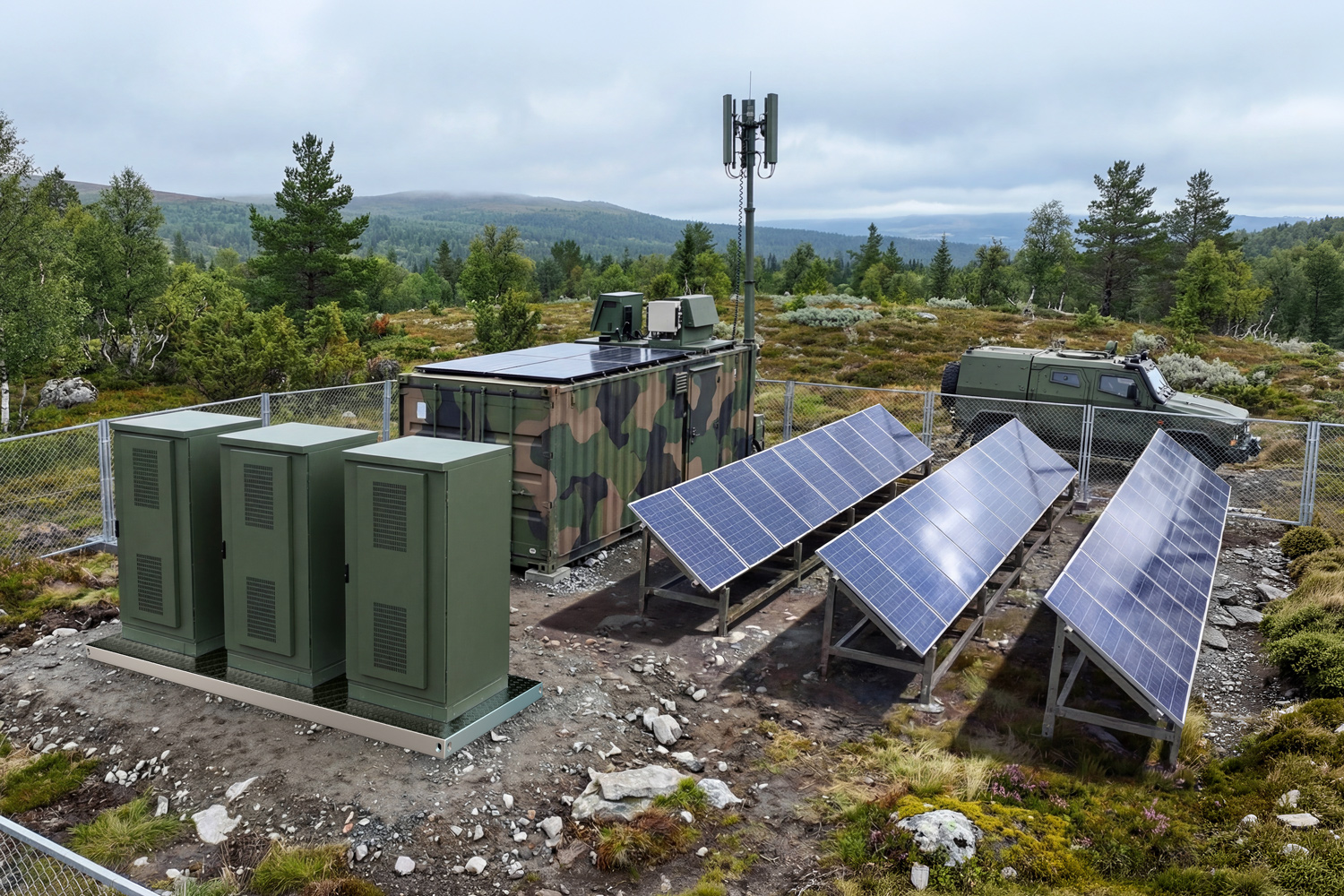
Experts point out that the optimal solution lies in integrating environmental goals within comprehensive development plans rather than treating them as opposing paths. Investing in renewable energy projects and sustainable infrastructure has the potential to become a primary engine for creating new jobs in the sectors of the future, which reduces economic concerns associated with the green transition. However, the financing gap remains an obstacle for many emerging countries that seek to fulfill their environmental commitments without harming their competitiveness.
International discussions continue to explore ways to ensure the protection of natural resources and the global climate while maintaining the economic security of citizens. This issue is a vital focus in evaluating the performance of international financial institutions, which seek to provide frameworks that help countries balance the requirements of economic growth with the necessity of preserving the environment for future generations, to ensure resilient and sustainable growth capable of absorbing the challenges of the age.