Written by: Salma El-Sakka
A recent opinion article addressed the challenges facing the French economy, pointing out that the real problem does not lie in a lack of innovative ideas, but rather in the slowness and administrative shortcomings in implementing them on the ground, amid calls to direct a portion of major investments toward the most needy areas.
Implementation Obstacles and Bureaucracy
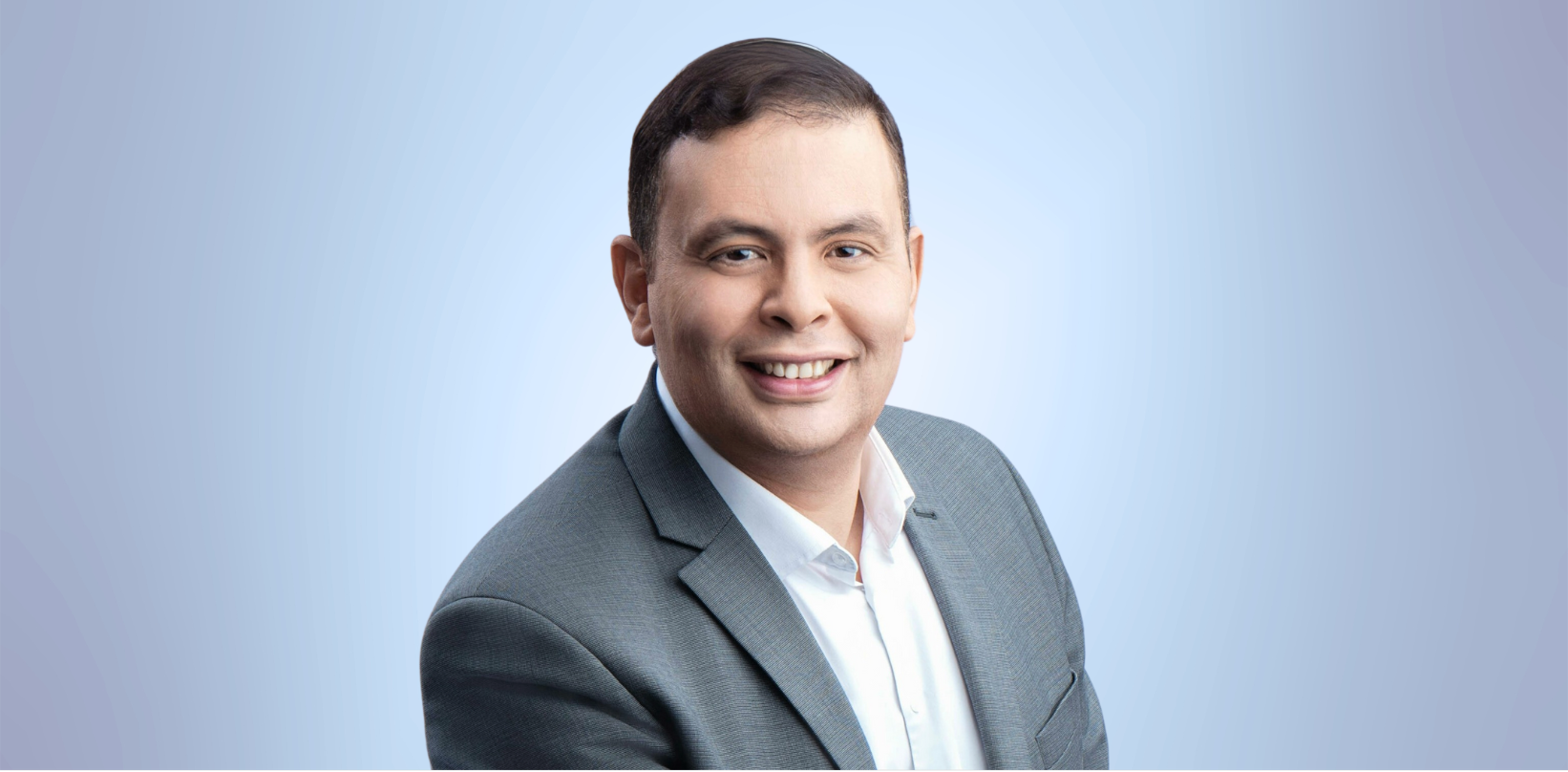
Entrepreneur and investor Aziz Senni, founder of the initiative to support the economy of the suburbs, noted that officials often express a desire to find new ideas, while entrepreneurs and citizens possess thousands of excellent proposals. However, the major problem lies in the implementation phase and the bureaucratic complexities that hinder turning projects into a tangible reality. He explained that many initiatives and proposals that receive initial attention from official bodies later slip away in the vortex of slow procedures and do not lead to actual results.
Investment Opportunities in Urban Areas
The article reviewed the scale of significant opportunities latent in priority urban areas, compared to major investment events that attract investors from all over the world. The writer emphasized that directing only a small percentage of the huge announced investments toward these areas can create a large-scale economic and social transformation. These neighborhoods comprise millions of residents and a broad base of companies and young cadres capable of creating thousands of job opportunities and significant added value for the national economy, provided that private investments are attracted and the role of business sectors is activated away from excessive reliance on traditional government support.
The Need to Accelerate Institutional Action
The article highlighted the importance of moving beyond theoretical promises and moving quickly to enhance economic and practical effectiveness. It warned that the continuation of administrative paralysis may contribute to fueling radical political trends as a result of losing trust, which requires real will to translate plans and decisions into tangible achievements that support growth and meet the aspirations of the rising generations in a flexible and effective work environment.